

37 Montessori Playroom Ideas That Encourage Learning and Independence
Designing a Montessori playroom can feel overwhelming, especially when you want to create a space that nurtures both learning and creativity. The great news is that with a few thoughtful choices, you can craft an environment that inspires discovery and feels welcoming for your child. Drawing inspiration from 29 Small Playroom Ideas That Make Tiny Spaces Feel Bigger, even the smallest areas can be transformed into functional and beautiful playrooms.
When creating a Montessori learning space, consider how your choices in design and organization can foster independence and curiosity. From choosing the right furniture to implementing effective storage solutions, every detail counts. If you’re also looking to combine spaces, the ideas in 27 Stunning Living Room Playroom Combo Ideas for the Perfect Family Space can offer some creative solutions.
DISCLOSURE: Some of the links provided on this page are affiliate links. This means if you choose to purchase through these links, we may receive a small commission at no extra cost to you.
Montessori Playroom Ideas for Learning
From natural materials to clever storage solutions, these ideas will help you create an educational playroom design that feels both inviting and practical. Whether you’re designing a Montessori playroom on a budget or looking for the best Montessori playroom furniture, you’ll find inspiration to suit your needs.
Here are 37 Montessori playroom ideas to inspire your home:
1. Incorporate Natural Materials
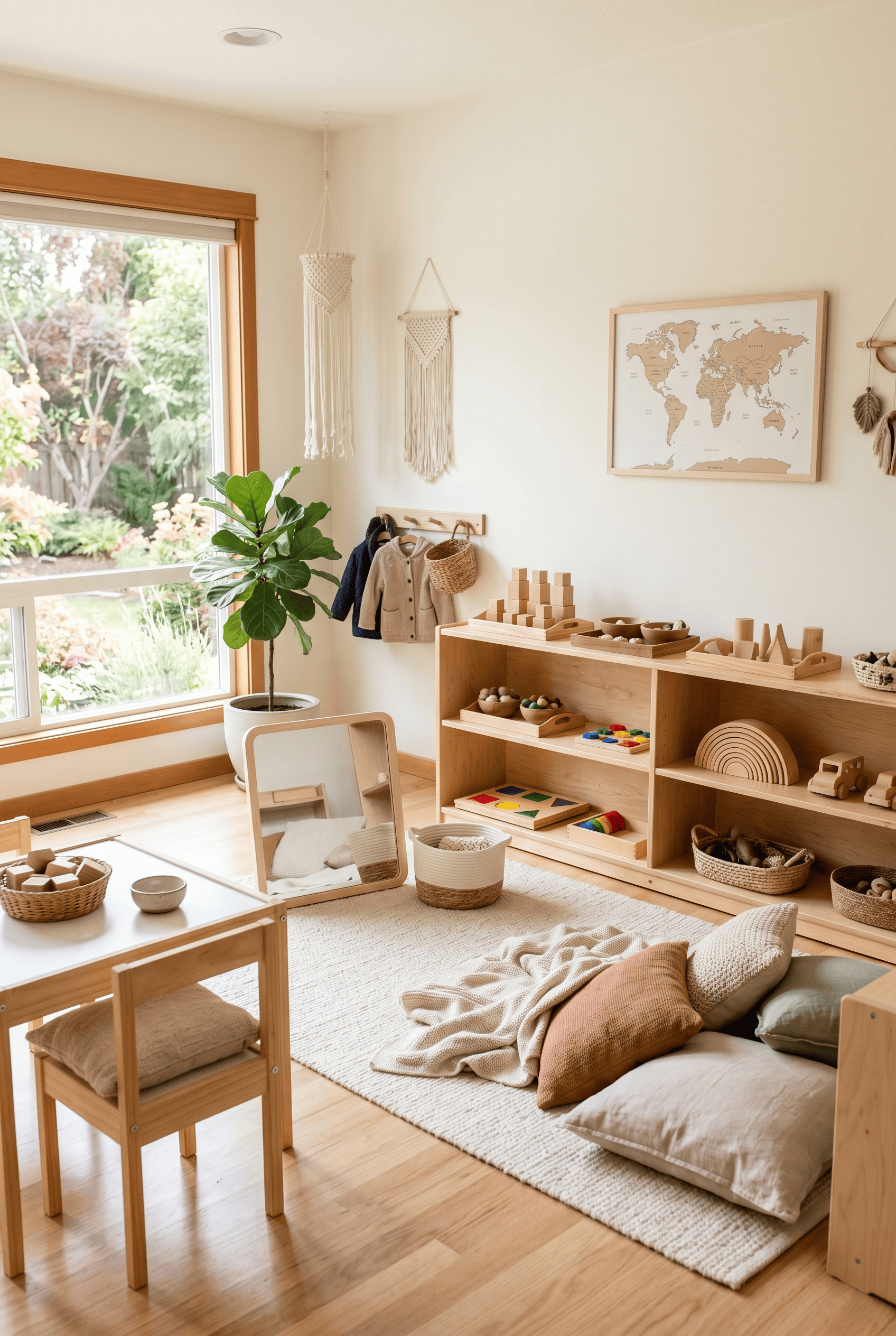
Natural materials such as wood, cotton, and wool create a warm and inviting atmosphere. These materials are not only aesthetically pleasing but also durable and safe for children. Opt for wooden toys and furniture to maintain consistency with the Montessori philosophy.
2. Use Low Open Shelving
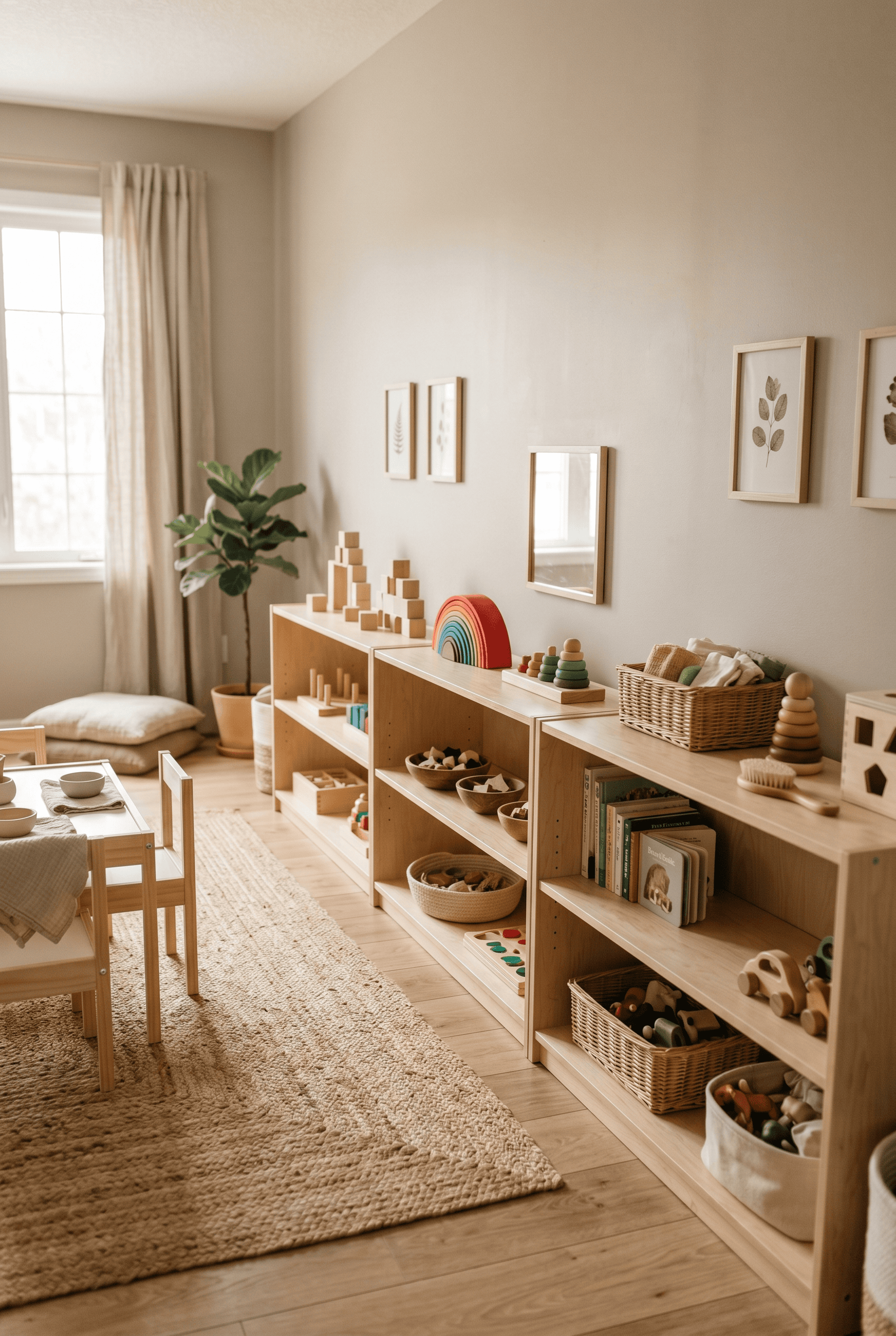
Low open shelving encourages independence by allowing children to access toys and materials easily. It helps keep the playroom organized and makes it simple to rotate toys regularly. Consider investing in wall-mounted floating shelves for a sleek look.
3. Create Defined Play Zones

By creating defined play zones, you can help children focus on specific tasks. Use rugs or furniture to demarcate areas for reading, building, or art. This structure supports a more organized and effective playroom organization.
4. Include a Reading Nook
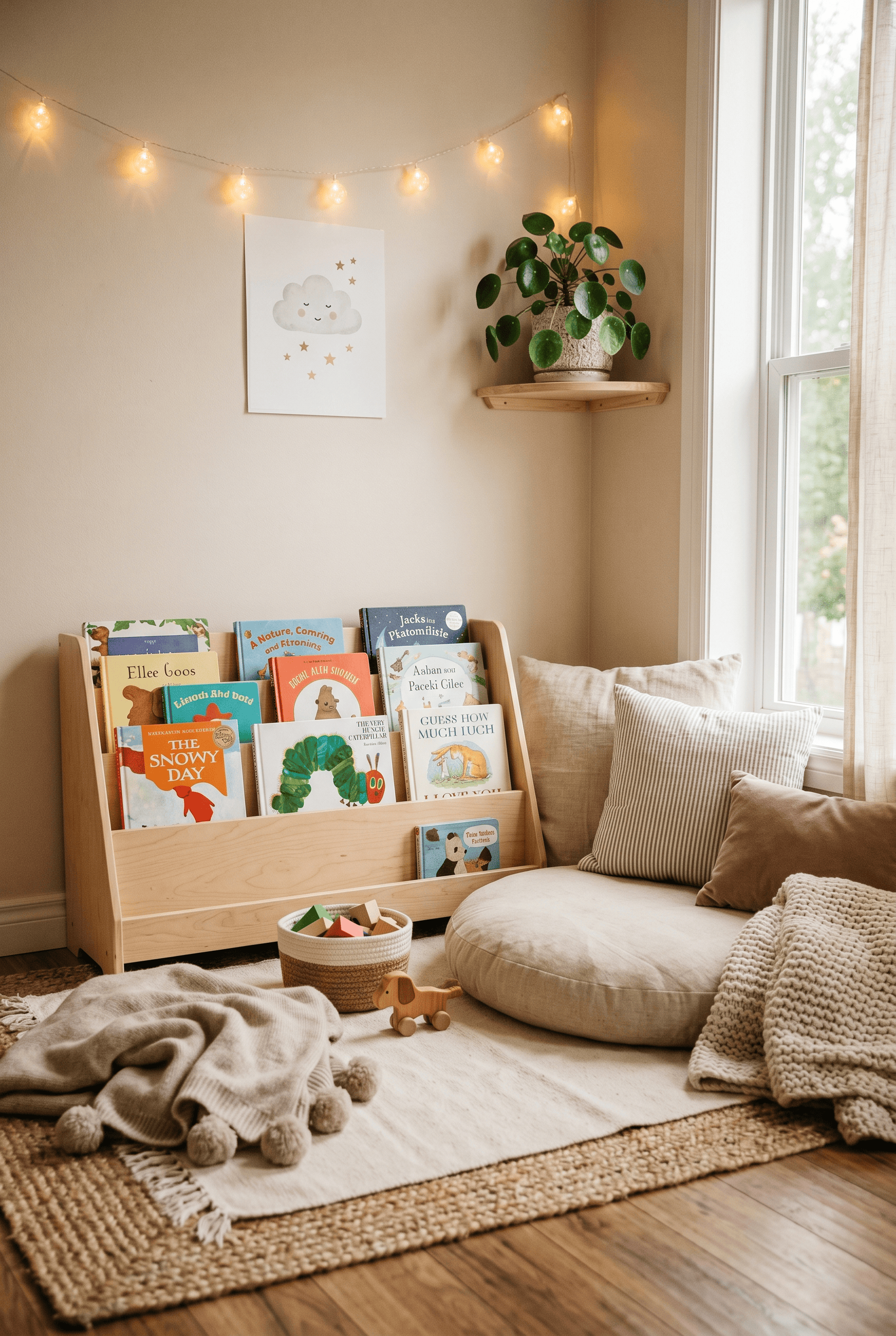
A cozy reading nook invites children to explore books independently. Use soft cushions and a small bookshelf to establish a welcoming space. Consider adding a round jute rug to define the area and add texture.
5. Opt for Neutral Color Palettes
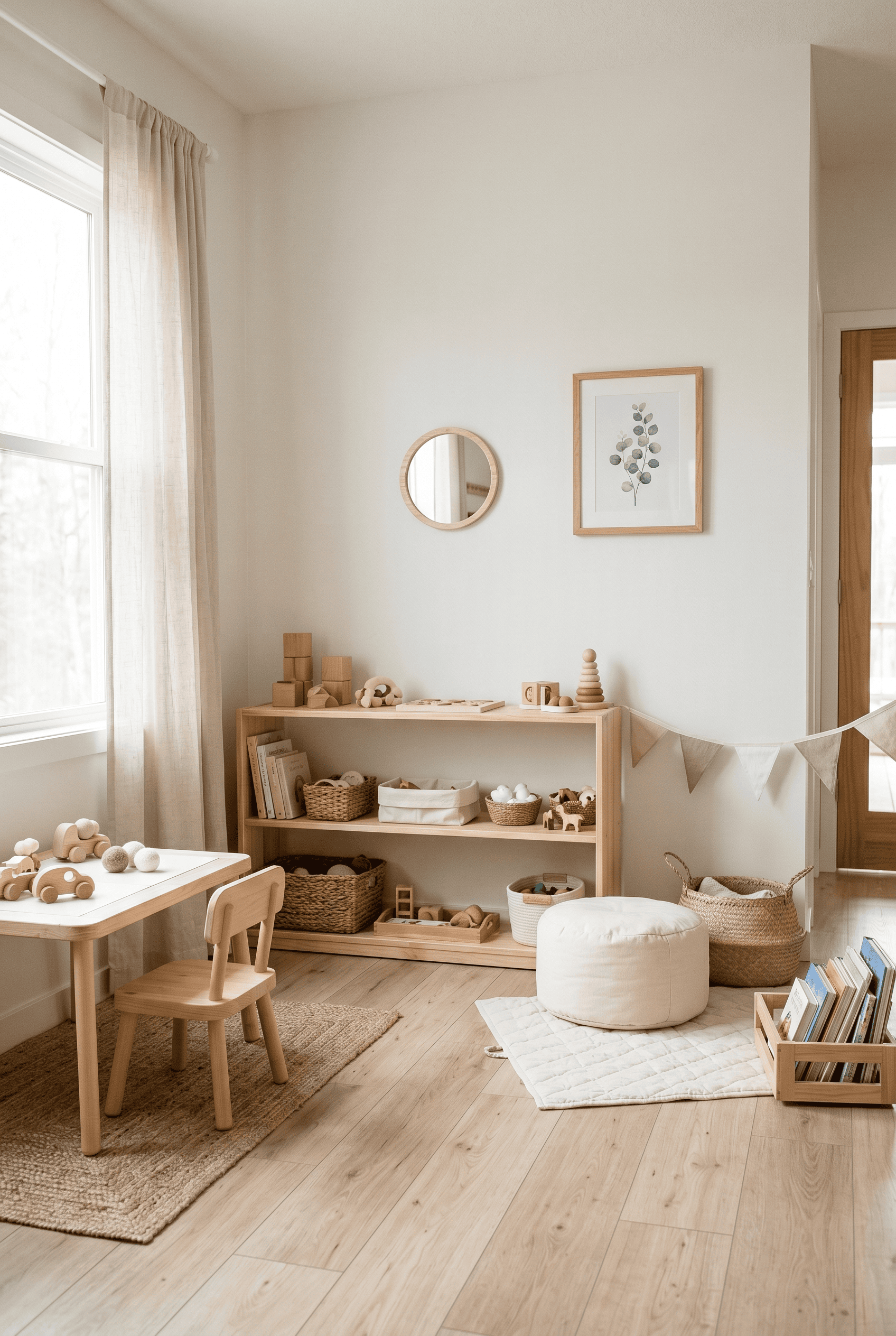
Neutral color palettes create a calming environment that doesn’t overwhelm the senses. Soft greys, whites, and beiges are ideal for a Montessori learning space. These colors allow the focus to remain on the activities and materials available.
6. Use Child-Sized Furniture
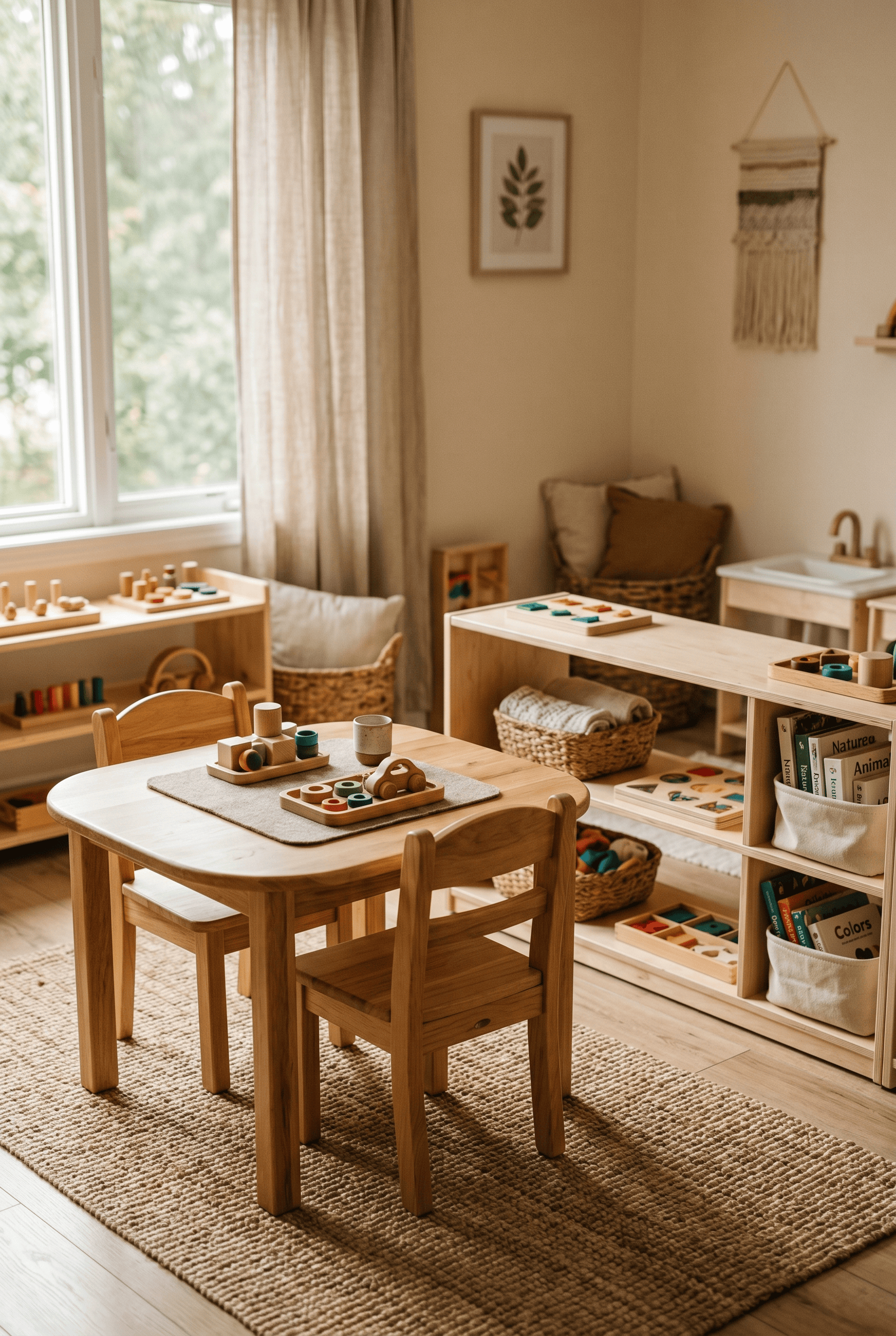
Child-sized furniture empowers children by allowing them to interact comfortably with their surroundings. Tables, chairs, and shelves should be proportionate to a child’s size to promote independence. Consider pieces that are sturdy and simple in design.
7. Rotate Toys Regularly
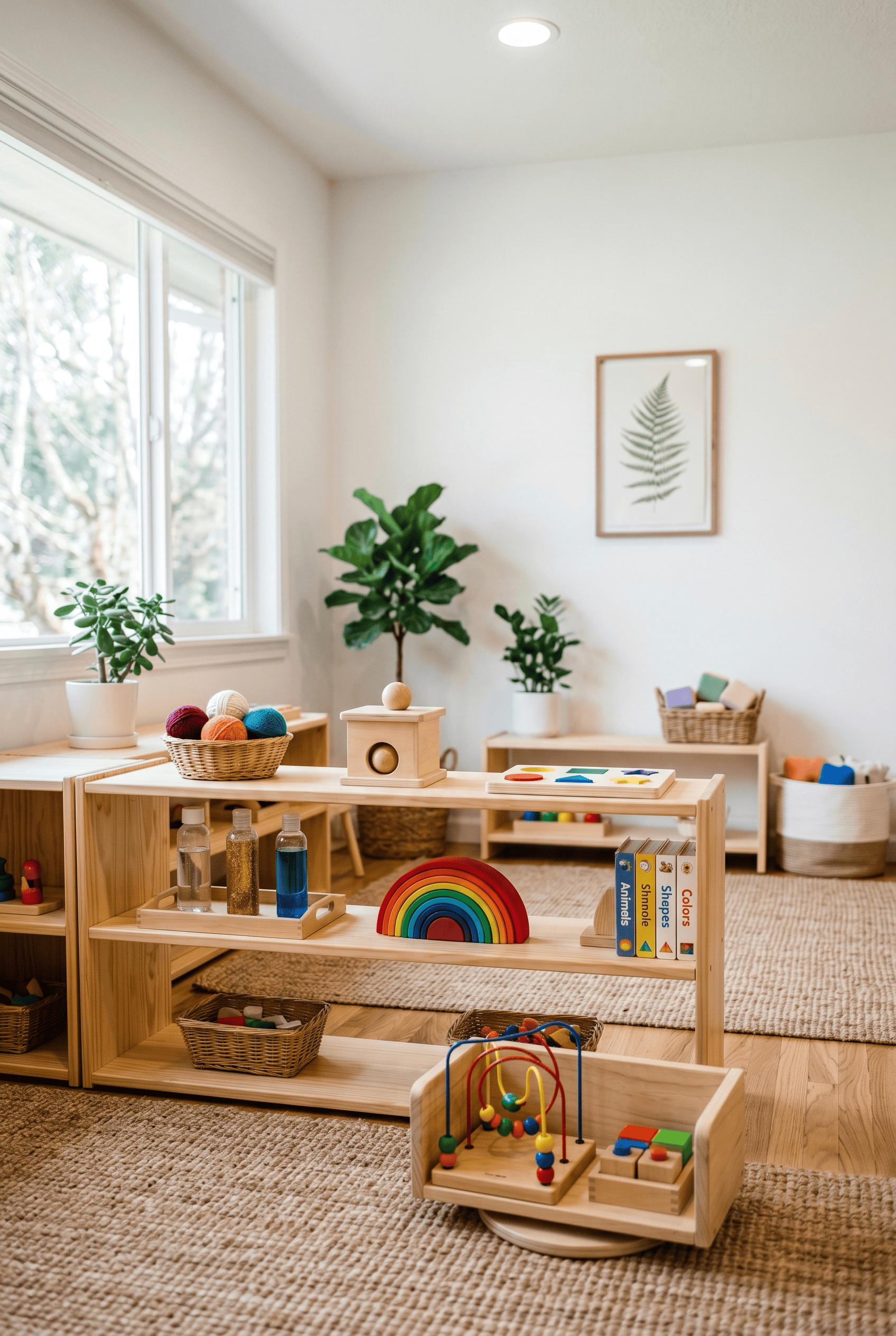
Rotating toys regularly keeps the playroom exciting and prevents clutter. By limiting the number of toys available, children are encouraged to play more creatively and focus on the resources at hand. Learn more about how to rotate toys effectively to keep interest alive.
8. Add a Cozy Rug
A cozy rug adds warmth and comfort to any play area, providing a soft surface for play. Choose a durable material that can withstand the wear and tear of active children. Look for options like a velvet storage ottoman with hidden storage to complement the rug and add functionality.
9. Incorporate Plants for Freshness
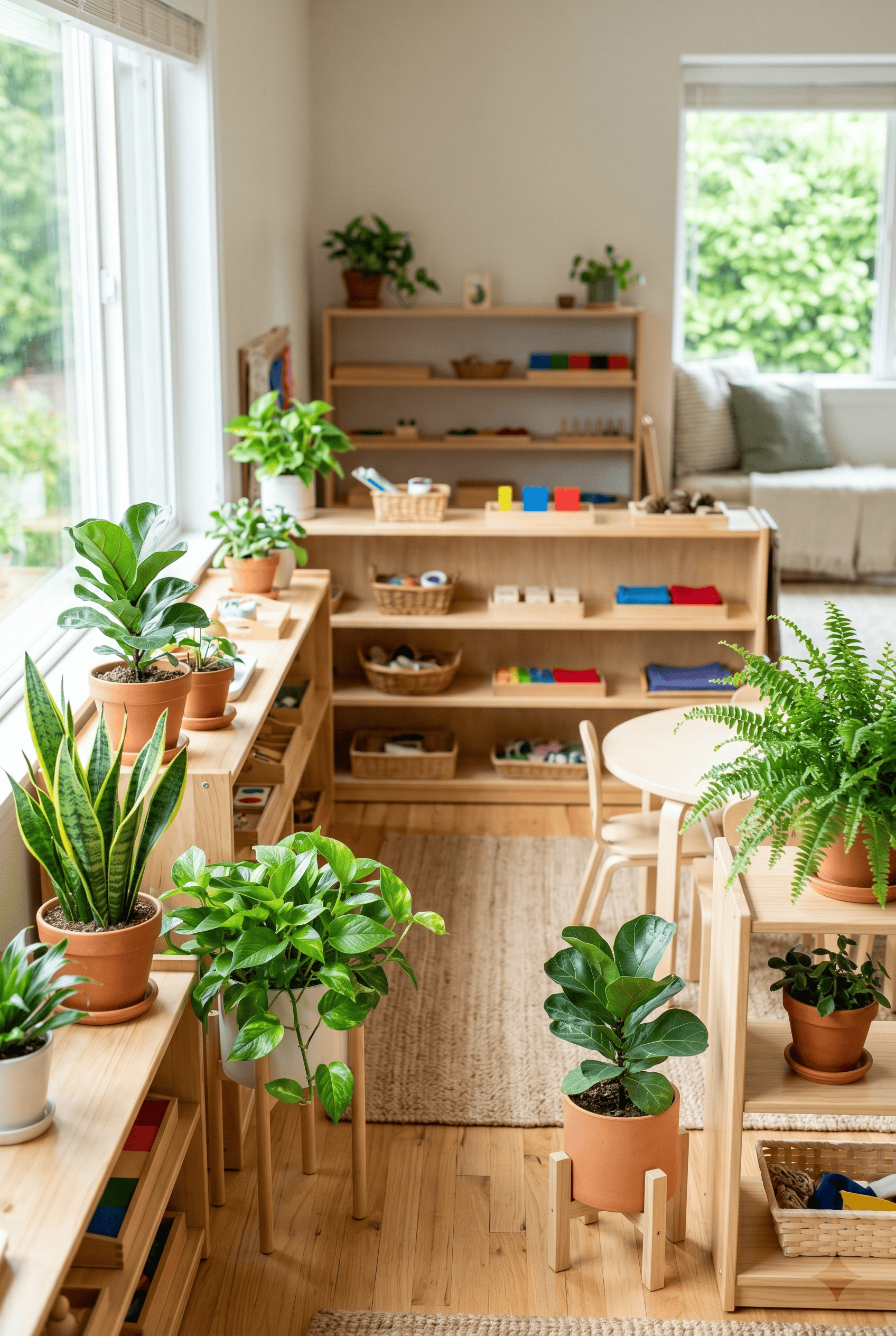
Introduce plants to bring a touch of nature and freshness into the playroom. Choose non-toxic varieties and place them in areas that receive natural light. Plants can enhance air quality and introduce children to the responsibility of caring for living things.
10. Use Multi-Functional Furniture
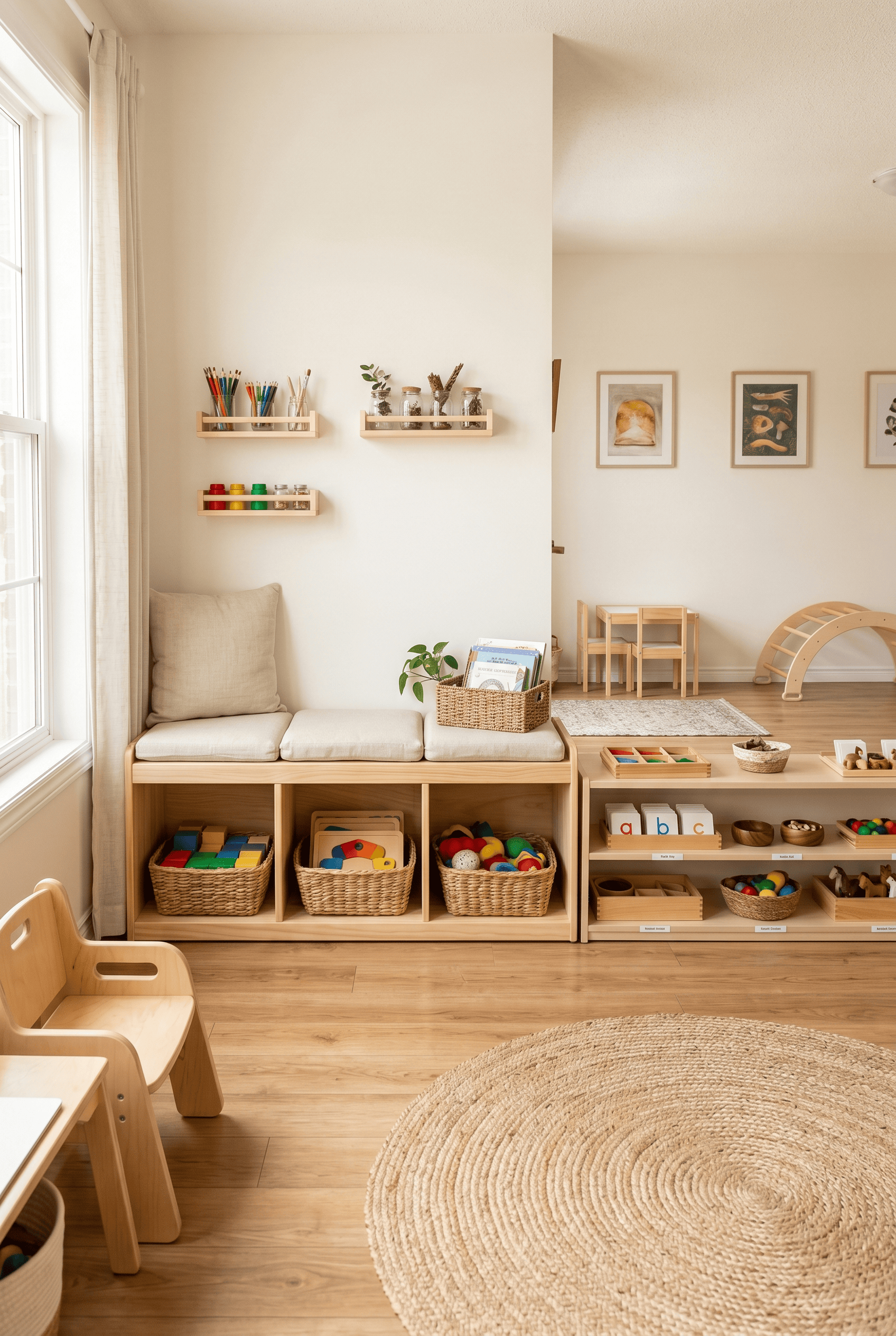
Multi-functional furniture optimizes space and adds versatility to the playroom. Consider pieces that offer storage and additional uses, such as a bench that doubles as a toy chest. This kind of furniture helps in maintaining a child-friendly playroom.
11. Create a Quiet Corner
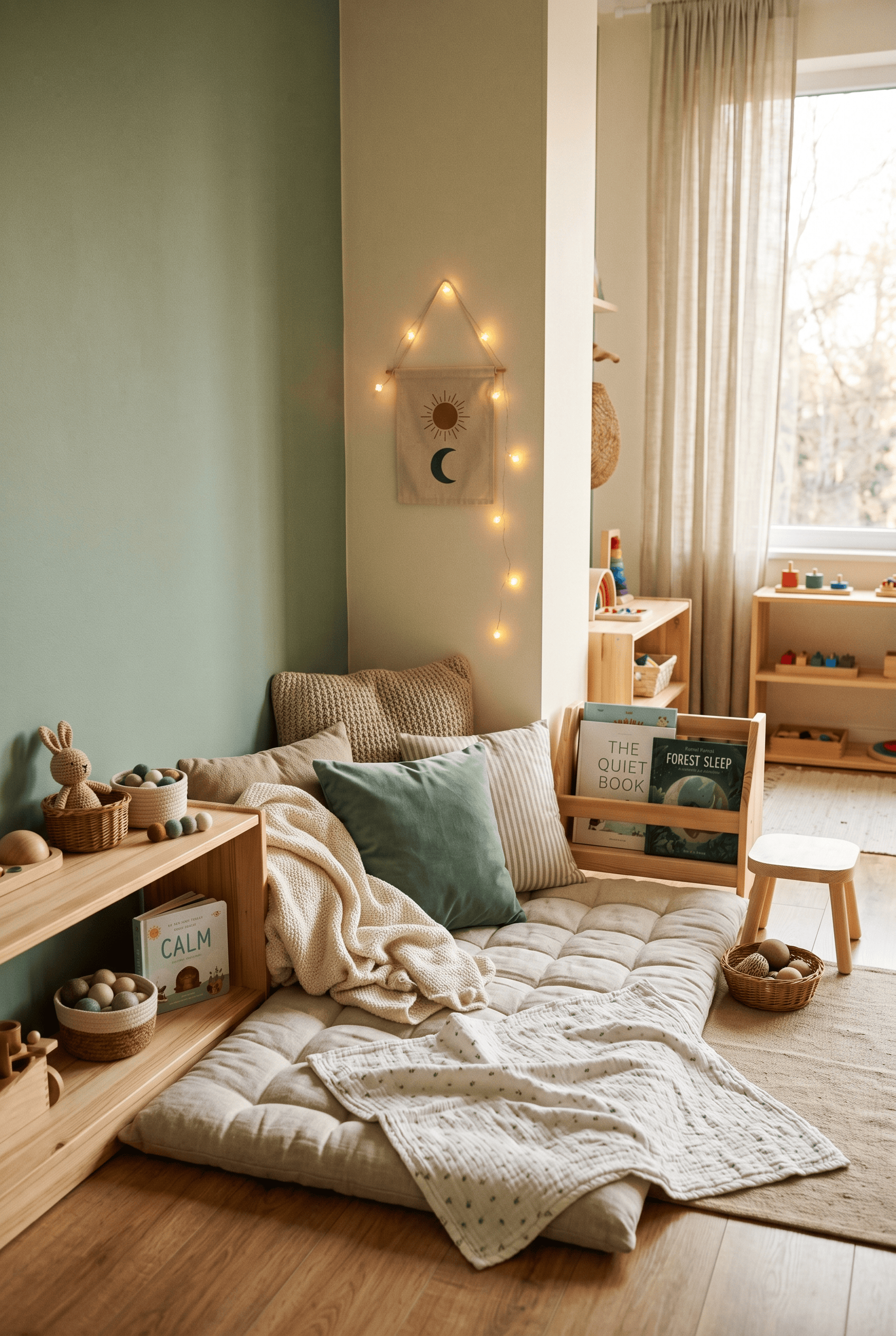
A quiet corner provides a space for relaxation and reflection. Use soft lighting, pillows, and a small blanket to create a comforting atmosphere. This area can be essential for children to decompress and enjoy some downtime.
12. Incorporate Art Displays
Displaying children’s artwork fosters a sense of pride and accomplishment. Use simple frames or art wire to hang pieces at a child’s eye level. This not only decorates the space but also encourages creativity and self-expression.
13. Use Mirrors to Expand Space
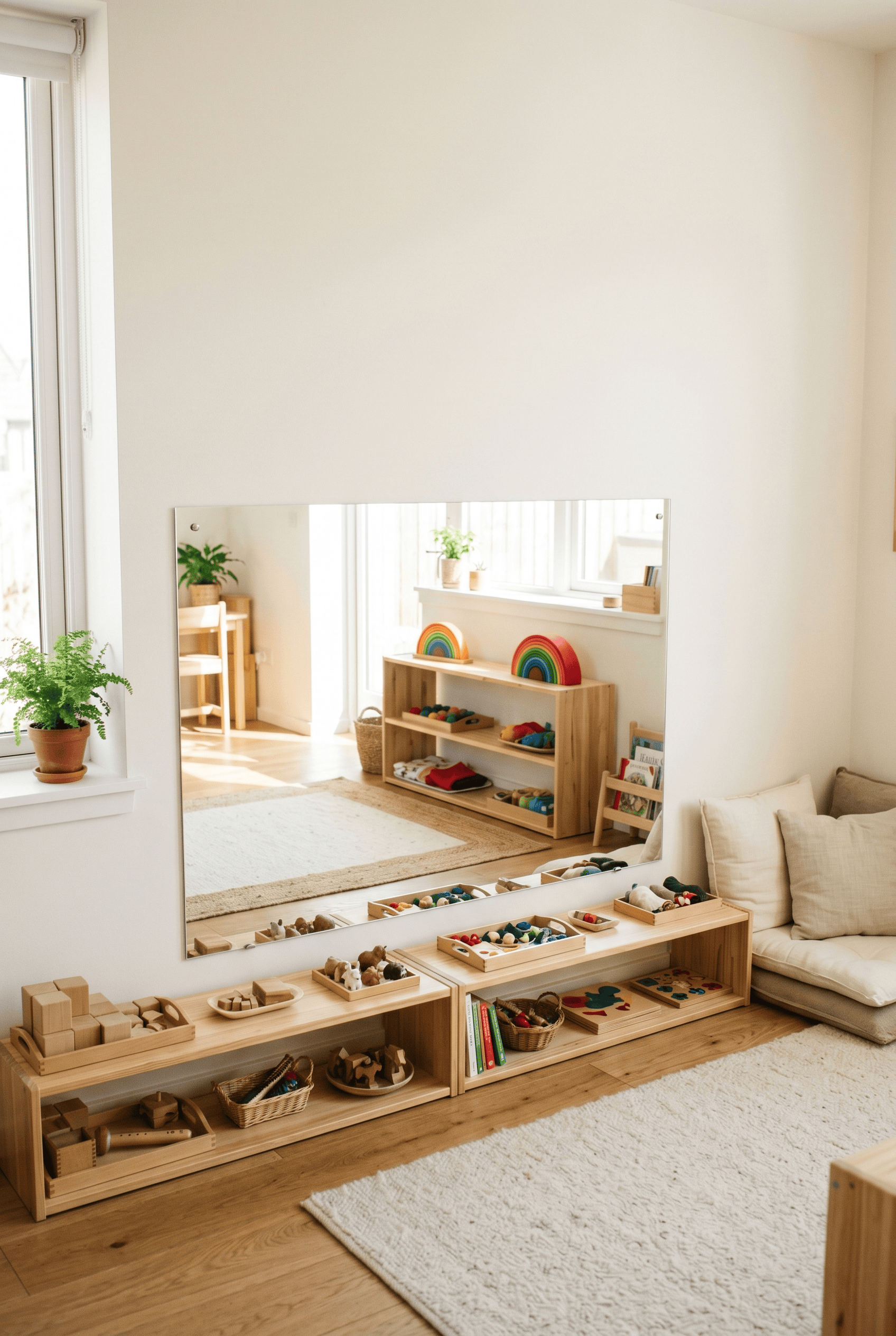
Mirrors can make a room feel larger and brighter by reflecting light. Place them at a lower height so children can see themselves. This simple addition can add depth to an educational playroom design.
14. Add a Sensory Table
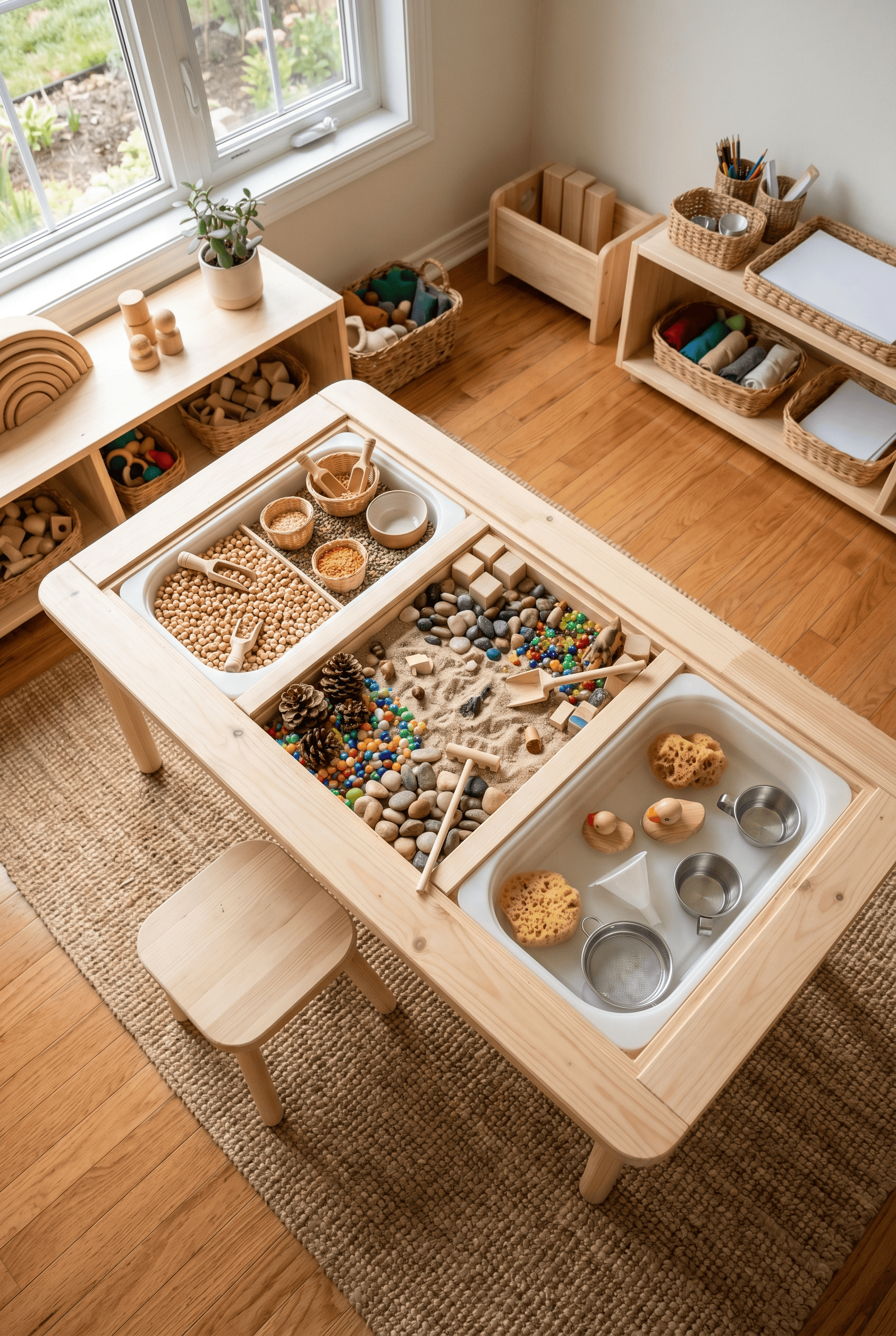
A sensory table provides a variety of tactile experiences that are crucial for sensory development. Fill it with sand, water, or other safe materials that children can explore. This hands-on play encourages discovery and learning.
15. Include a Music Area
Music can be a powerful tool for learning and expression. Create a music area with instruments like drums, a xylophone, or a keyboard. This space can inspire creativity and enhance auditory skills.
16. Use Clear Storage Bins
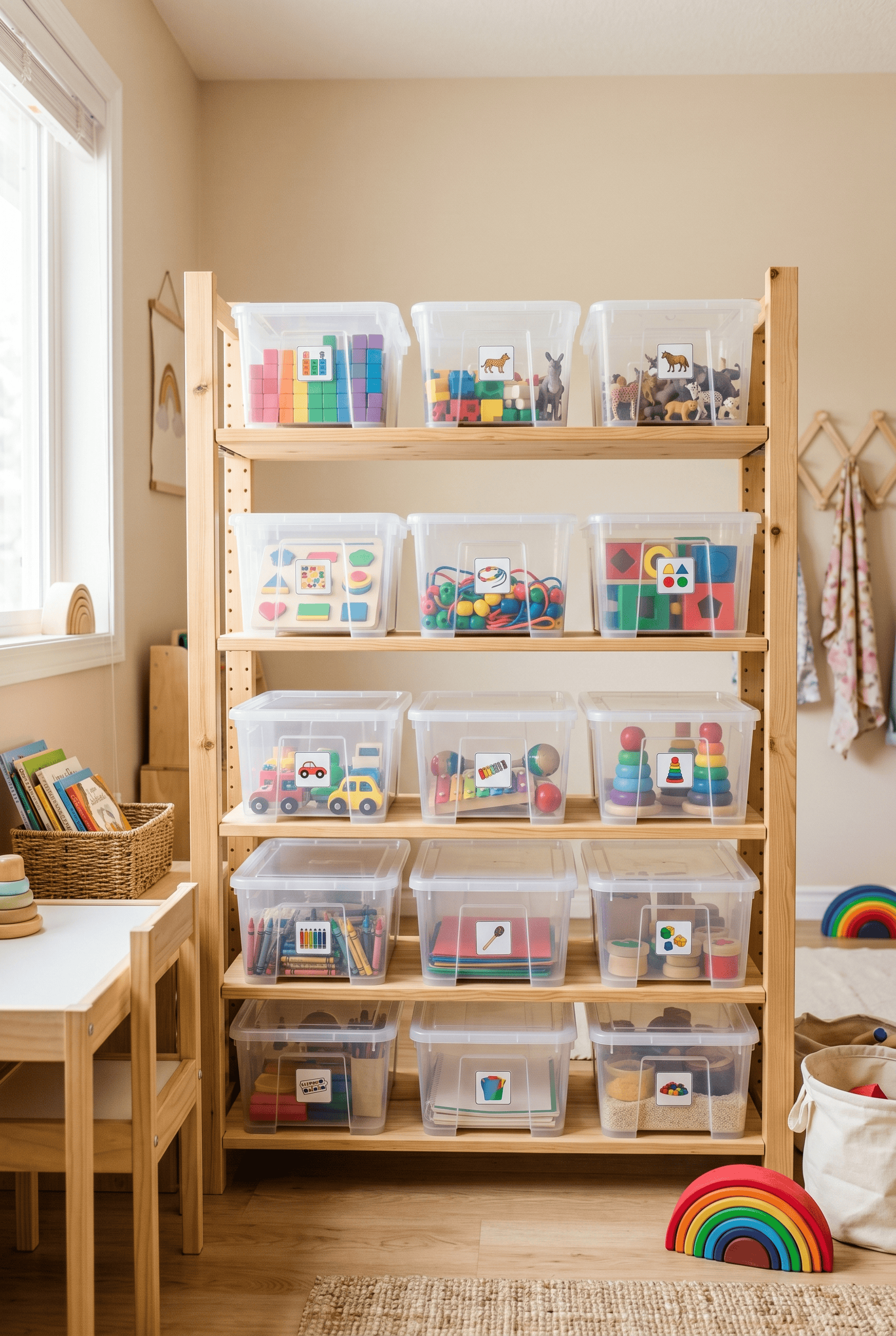
Clear storage bins make it easy for children to see and choose toys, promoting independence. They also help in maintaining order and reducing clutter. Opt for sturdy, transparent options for a neat and organized look.
17. Incorporate Floor Cushions
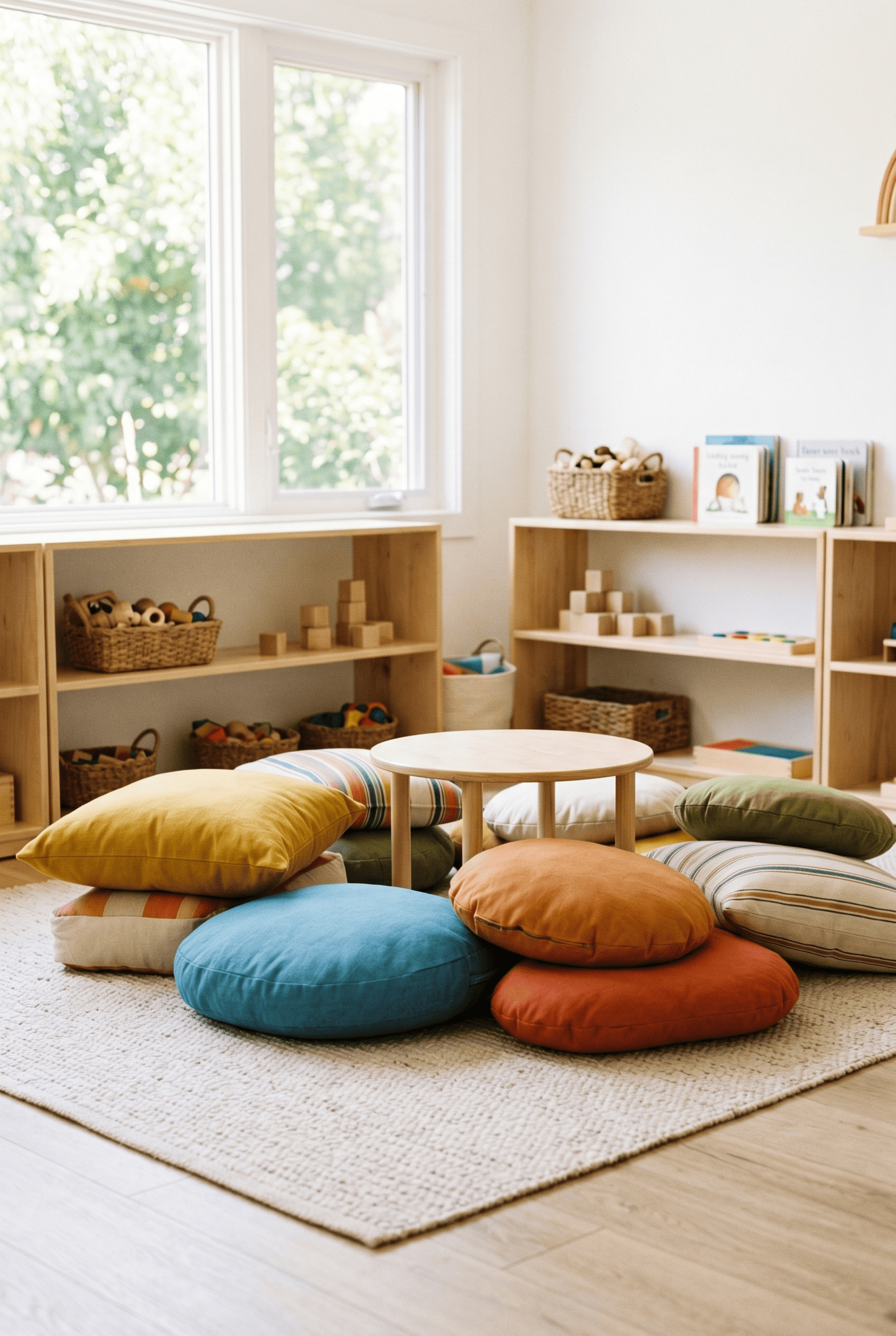
Floor cushions provide flexible seating arrangements and can be easily moved around. They are perfect for reading, relaxing, or playing games. Choose colorful, washable covers to keep them fresh and inviting.
18. Create a Craft Station
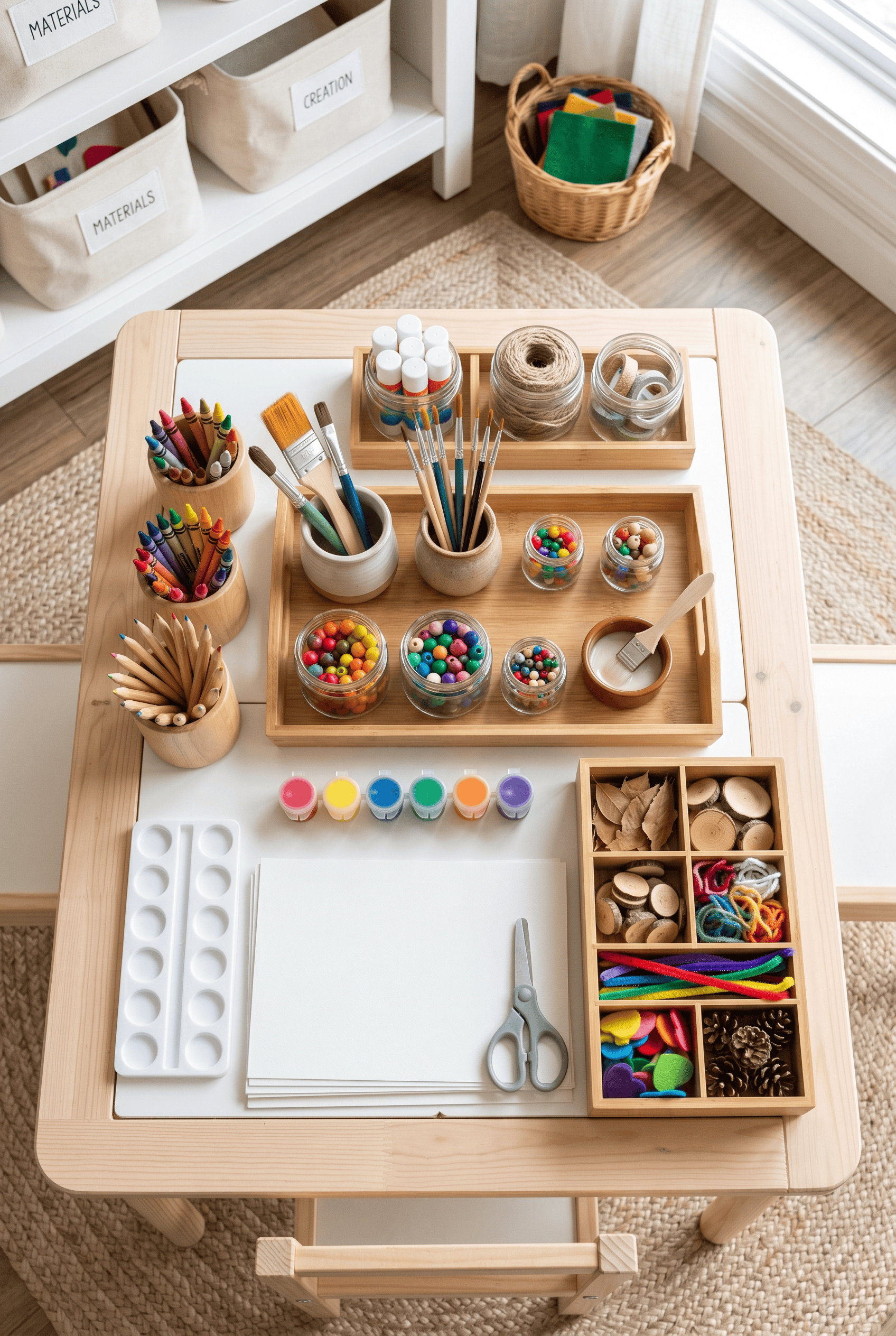
A designated craft station encourages creativity and fine motor skills development. Equip it with supplies like paper, crayons, and scissors. Ensure everything is within reach to allow for independent use.
19. Use Wall Hooks for Organization
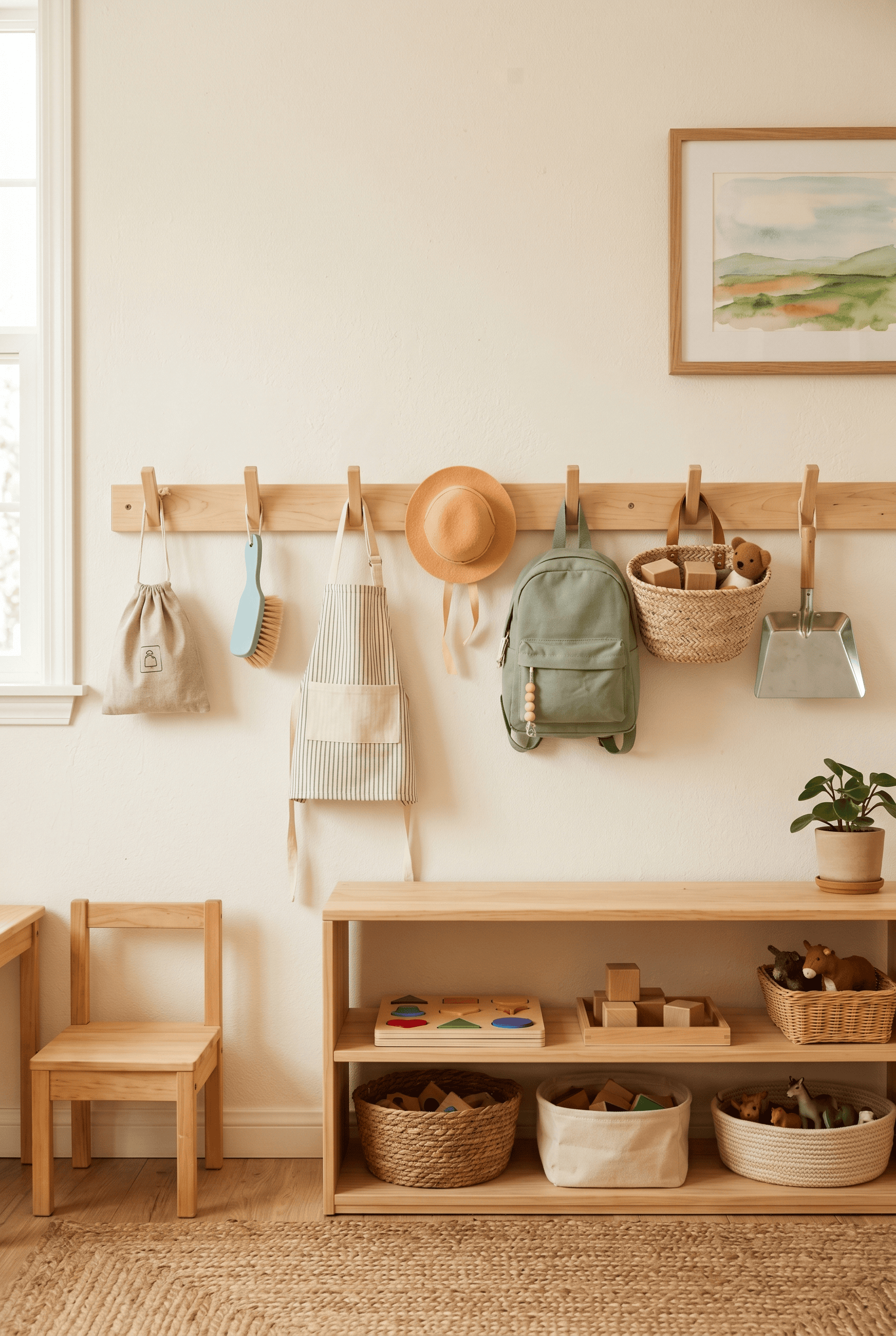
Wall hooks are a simple solution for keeping the playroom tidy. They can hold bags, hats, or art aprons, freeing up floor space. This helps in maintaining a clutter-free environment.
20. Add a Nature Table
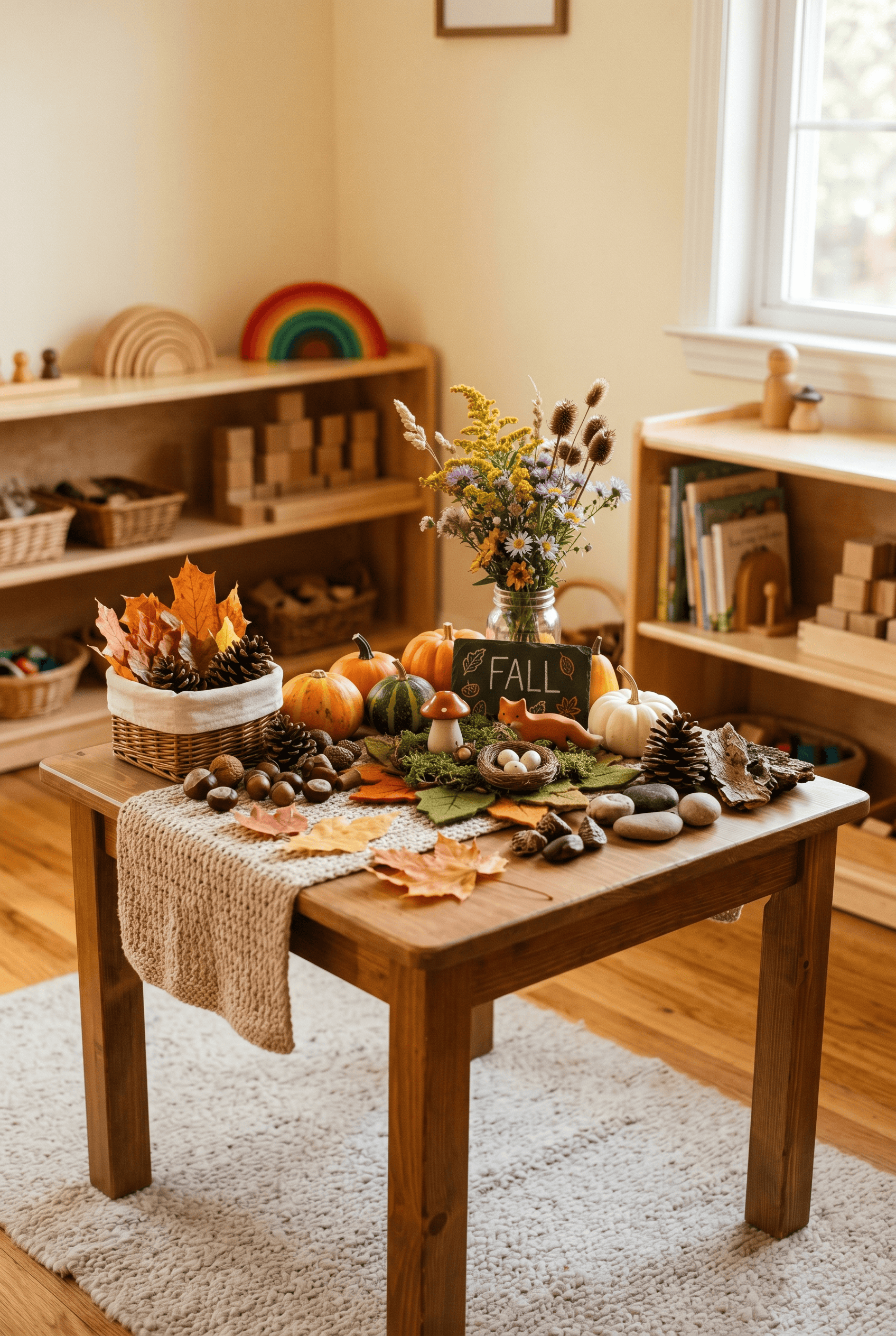
A nature table brings the outdoors inside and encourages exploration. Display interesting natural items like rocks, shells, or leaves. Change the displays seasonally to keep the interest alive.
21. Include a Puzzle Station
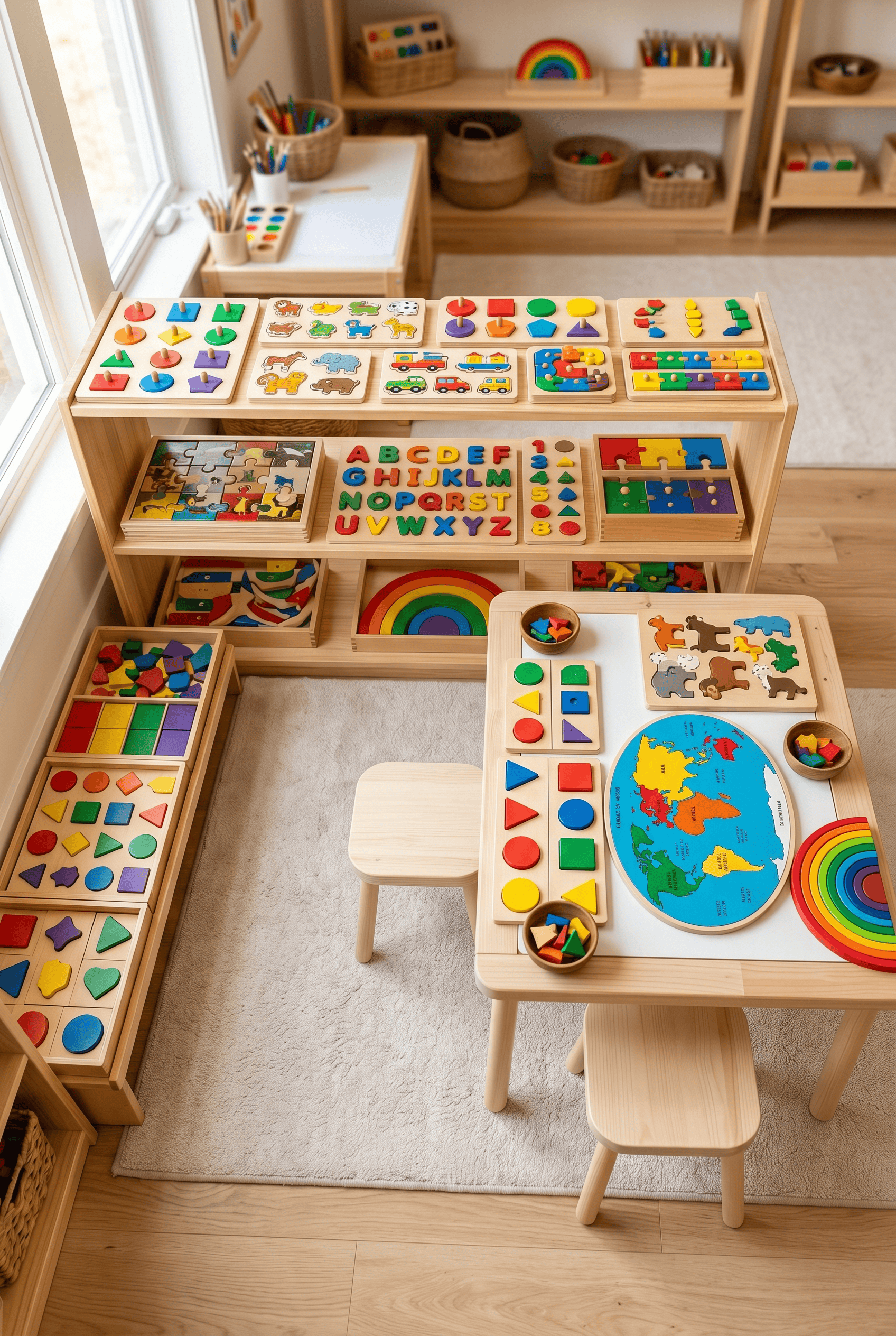
Puzzles are excellent for developing problem-solving skills and hand-eye coordination. A dedicated station makes it easy for children to engage in these activities. Keep a variety of puzzles on hand to challenge different skill levels.
22. Use Floor-to-Ceiling Shelves
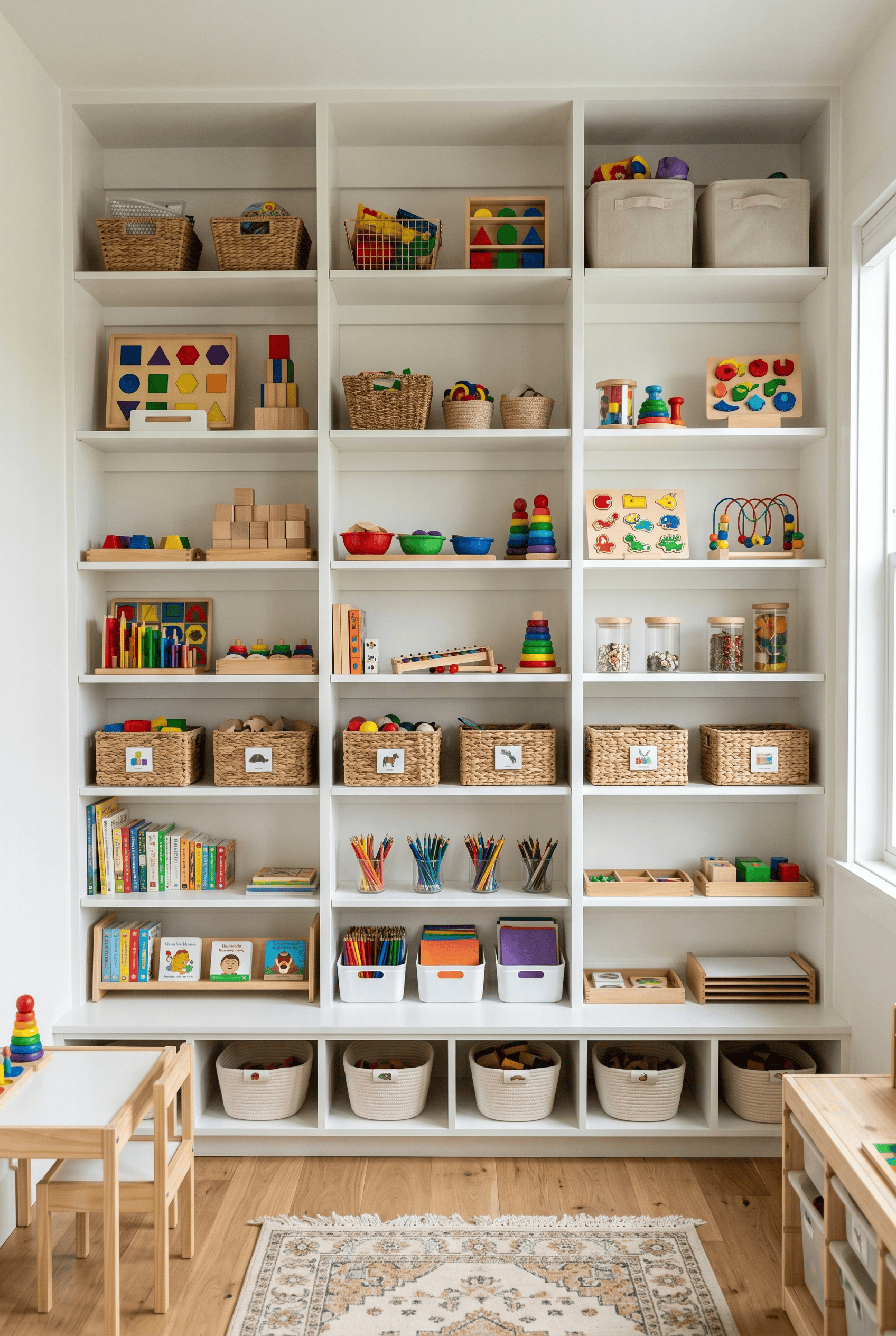
Floor-to-ceiling shelves maximize storage and help in organizing a large number of items. They draw the eye upwards, creating the illusion of a larger space. Use them to store books, toys, and educational materials.
23. Incorporate a Building Area
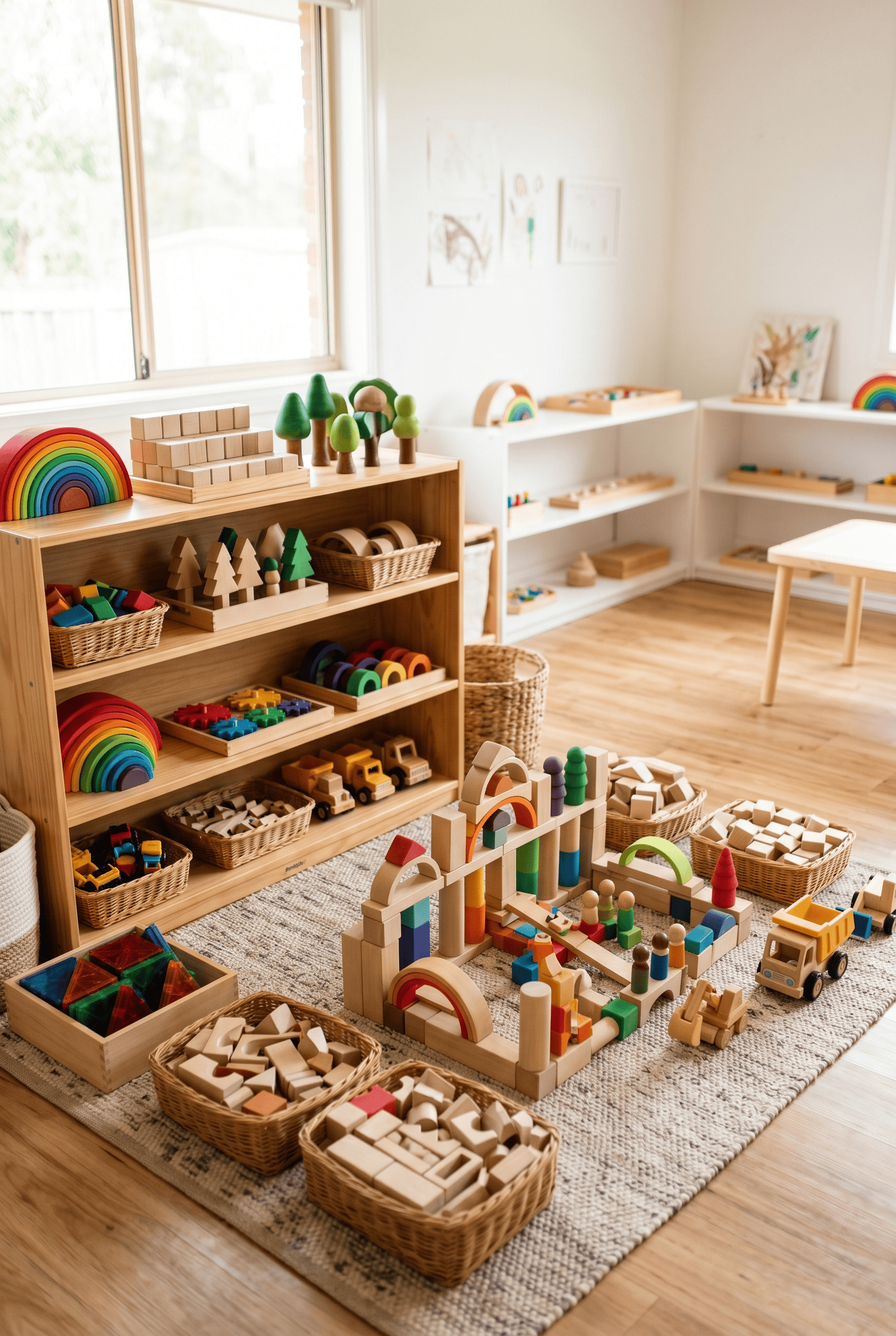
A building area with blocks or construction toys stimulates creativity and spatial awareness. Ensure the blocks are within easy reach and provide a flat surface for construction. This space encourages teamwork and imaginative play.
24. Use Soft Lighting
Soft lighting creates a warm and inviting atmosphere, essential for a calming play environment. Use lamps or fairy lights to add a gentle glow. This type of lighting is soothing and reduces eye strain.
25. Add a Chalkboard Wall
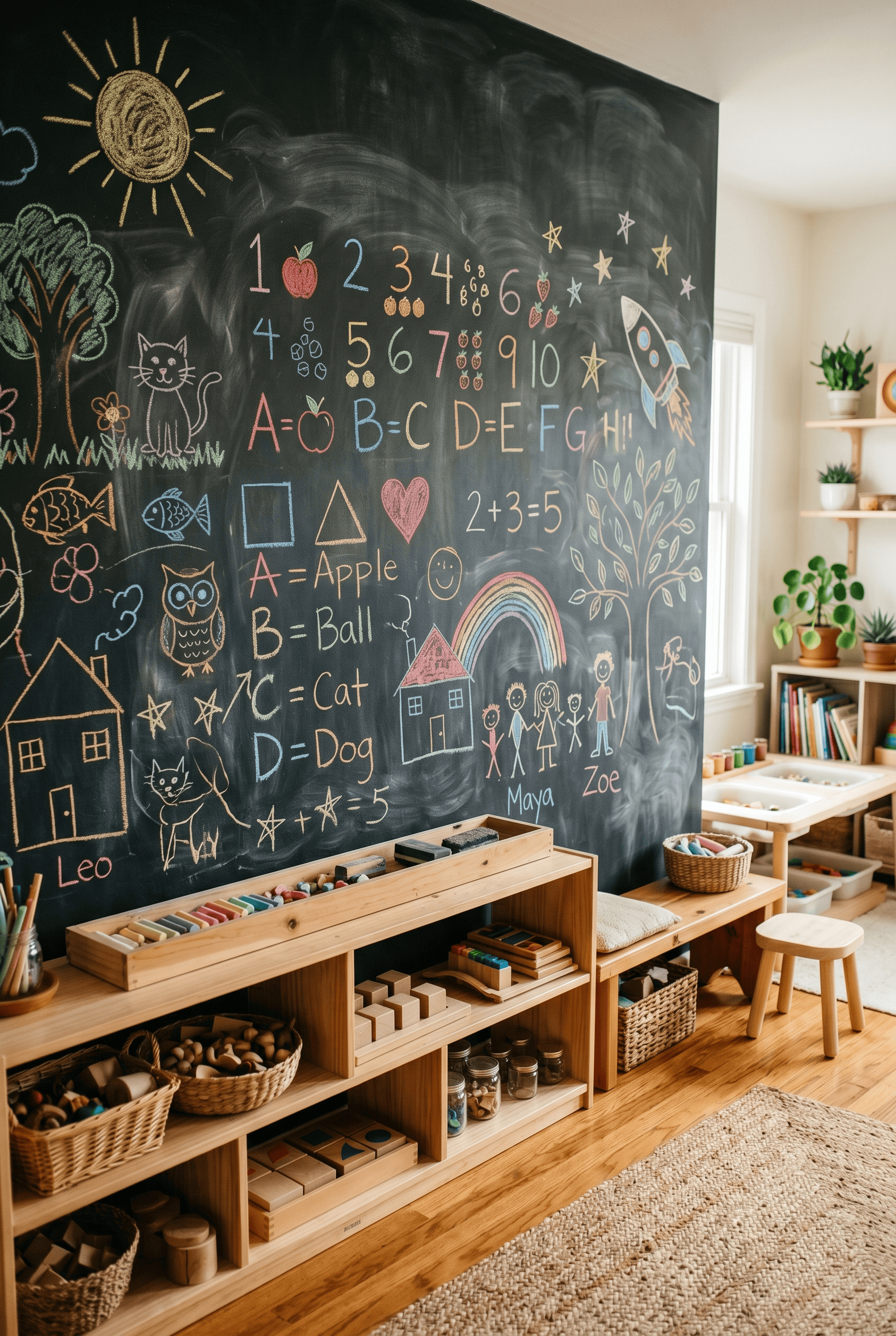
A chalkboard wall offers endless possibilities for drawing and writing. It can be a dynamic part of the playroom, allowing for creative expression. This wall can also be used for educational purposes, such as practicing letters or numbers.
26. Create a Dress-Up Area
A dress-up area encourages imaginative play and helps develop social skills. Provide a mirror, clothing rack, and accessories for children to explore different roles. This space can be a favorite for many children.
27. Incorporate a Science Corner
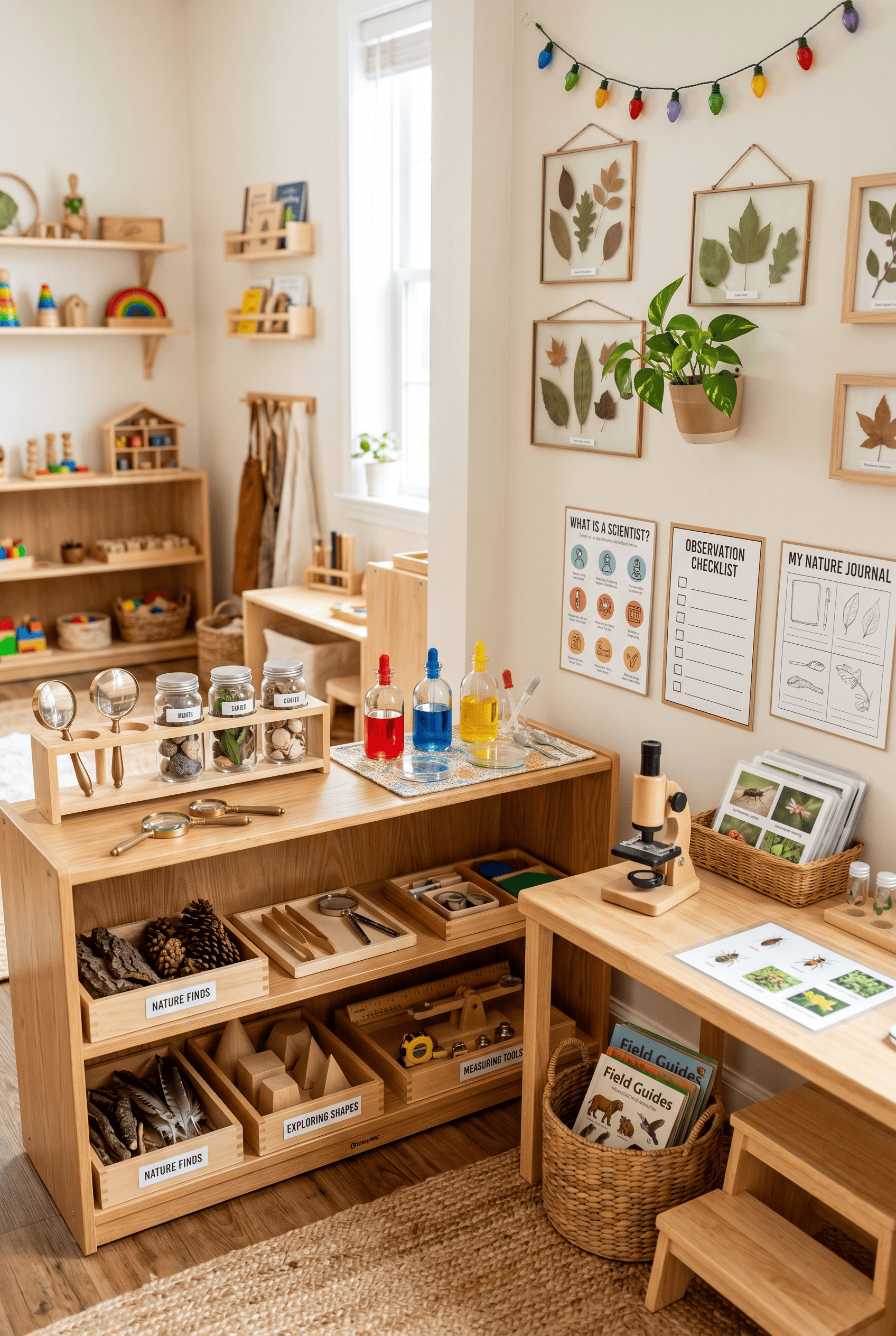
A science corner is a wonderful addition to a Montessori playroom, sparking curiosity and exploration. Include magnifying glasses, binoculars, and simple experiments to engage young minds. This area can inspire a lifelong love of learning.
28. Use Labels for Easy Organization
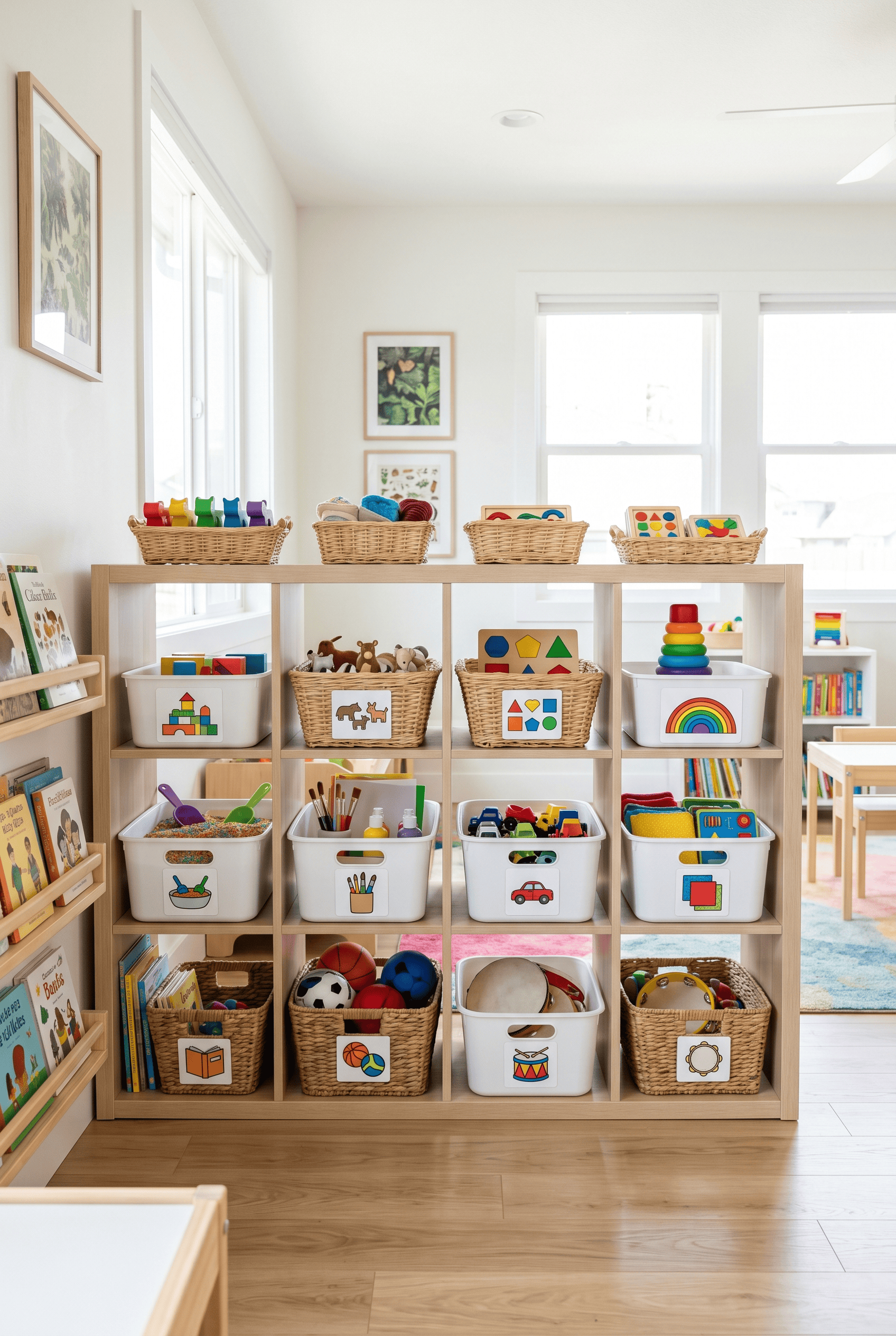
Labels make it easy for children to find and return items to their proper places. Use pictures or simple words to categorize toys and materials. This practice supports independence and keeps the playroom tidy.
29. Add a Small Table and Chairs
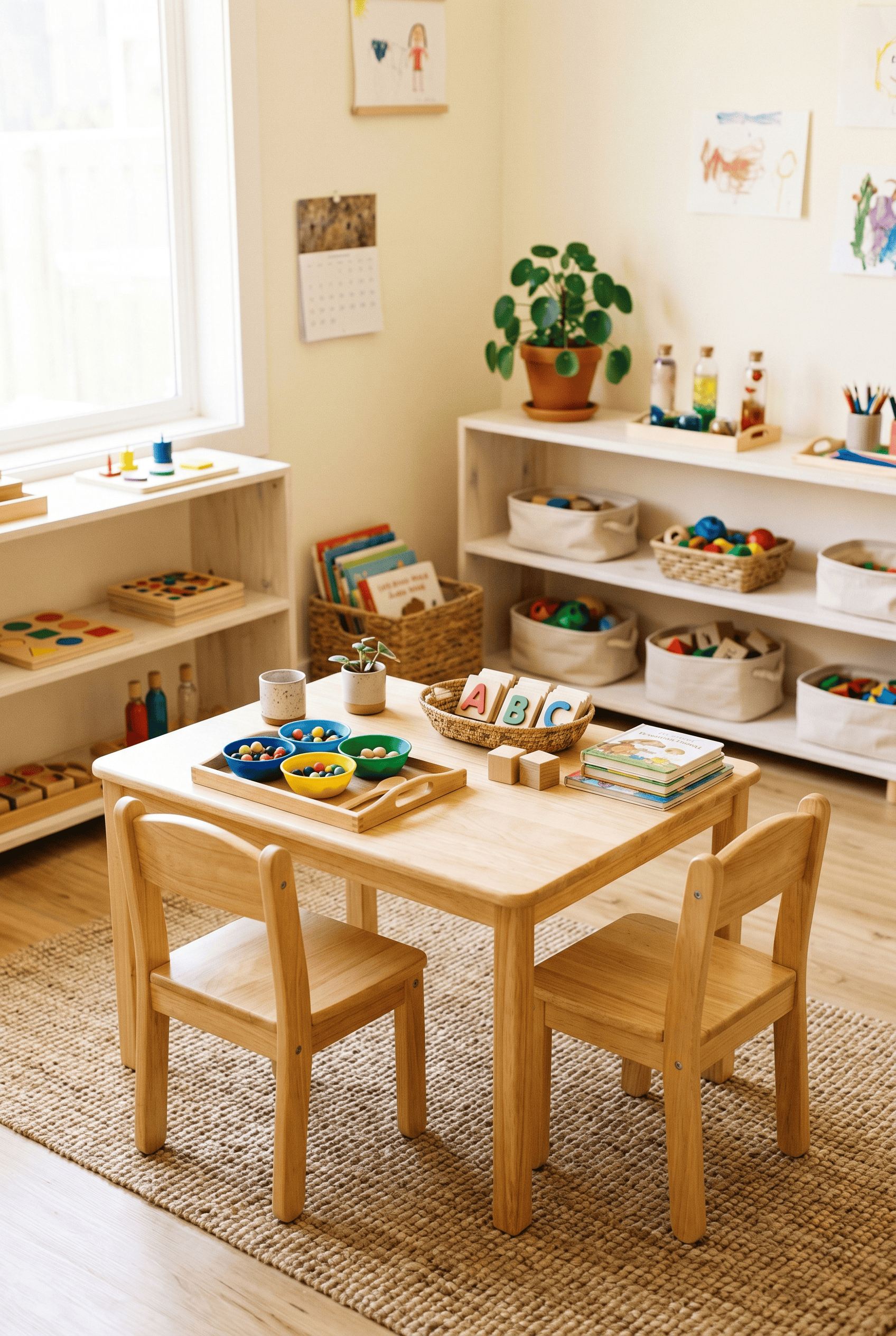
A small table and chairs are essential for activities like puzzles, crafts, or snack time. Choose a set that is sturdy and easy to clean. This setup provides a designated space for focused tasks.
30. Include a Puppet Theater
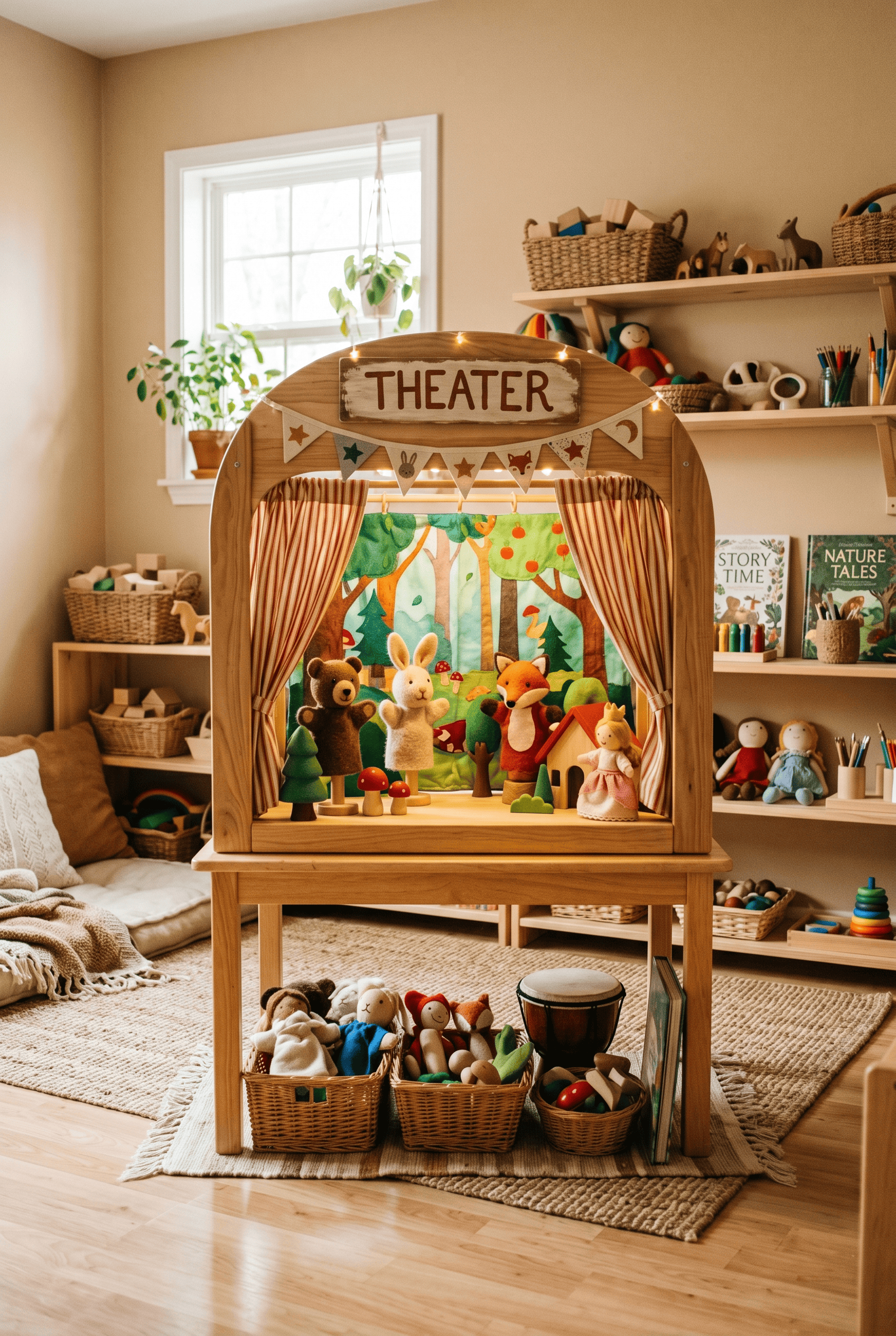
A puppet theater encourages storytelling and dramatic play. Provide a small stage and a collection of puppets for children to create their own shows. This activity enhances creativity and communication skills.
31. Use Vertical Space Wisely
Utilizing vertical space helps maximize storage and keeps the playroom organized. Install shelves, hooks, or pegboards to hold books, art supplies, and toys. This approach keeps the floor clear and the space open.
32. Create a Calm Down Corner
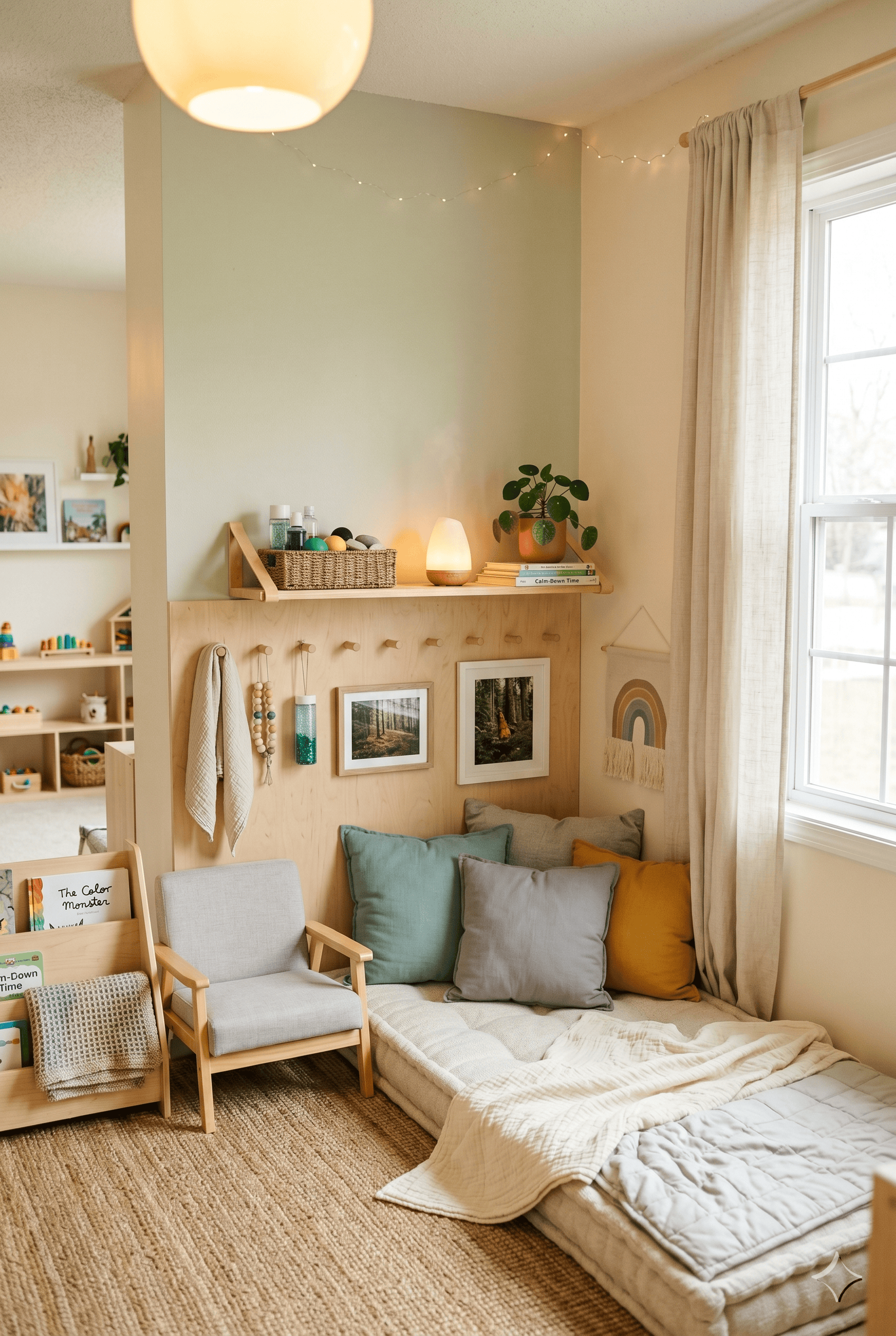
A calm down corner is a dedicated spot for children to relax and manage their emotions. Use soothing colors, comfortable seating, and calming tools like stress balls. This space supports emotional development and self-regulation.
33. Incorporate a Block Play Area
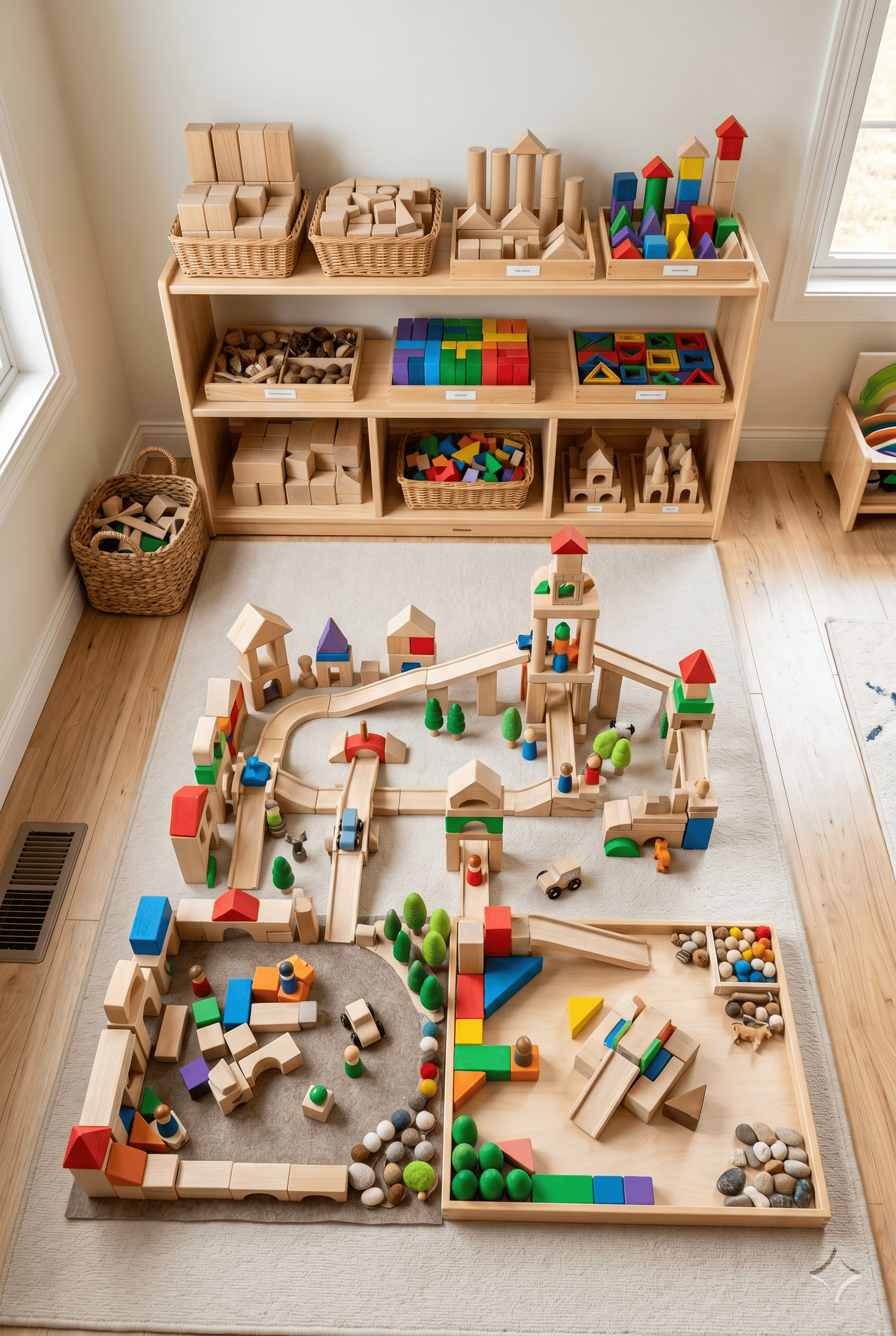
A block play area encourages construction and creativity. Provide a variety of blocks and a flat surface for building. This type of play develops spatial awareness and problem-solving skills.
34. Use Baskets for Toy Storage
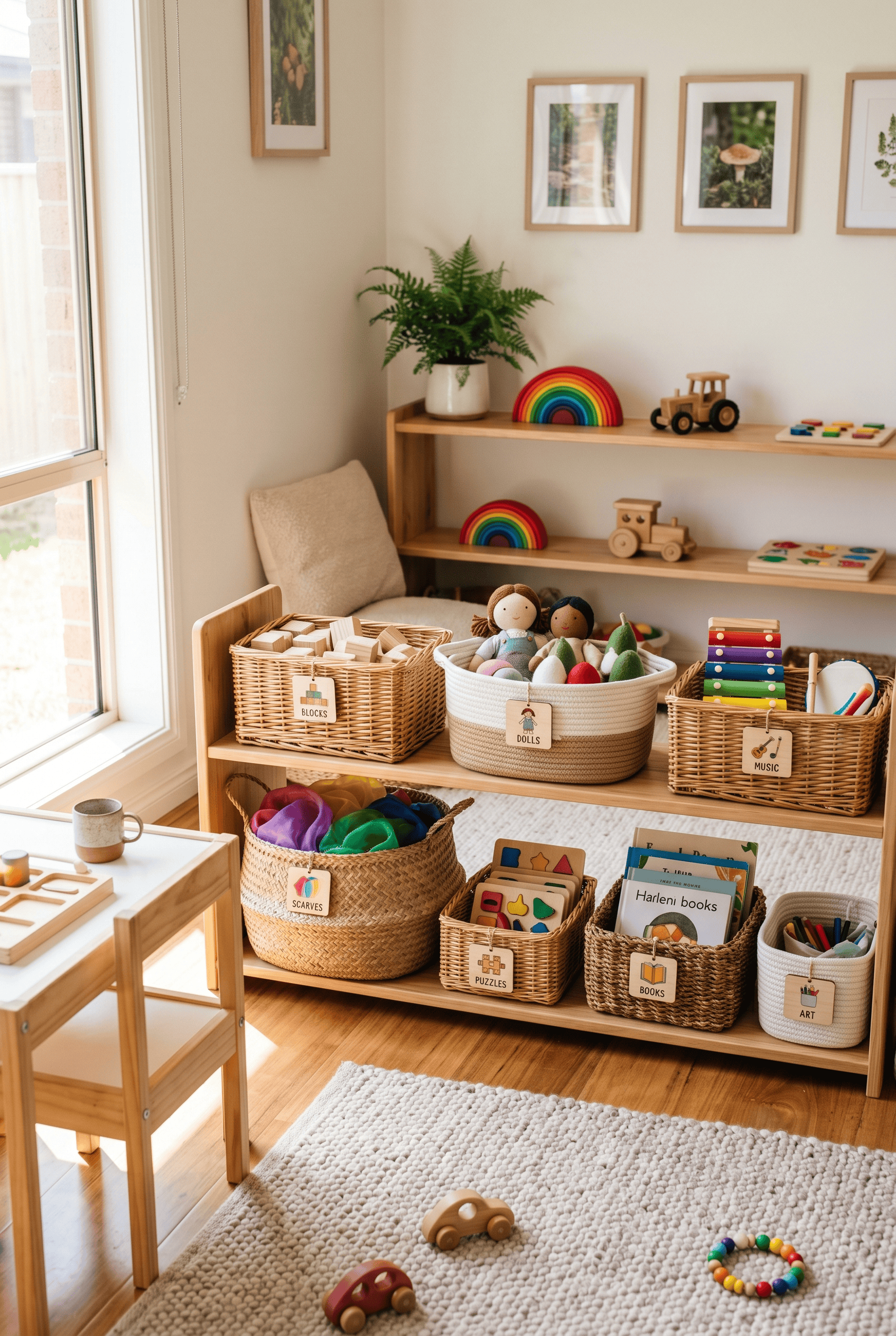
Baskets offer a simple and attractive solution for toy storage. They can be easily moved and accessed by children. Choose durable and aesthetically pleasing options to keep the playroom tidy.
35. Add a Climbing Wall
A climbing wall provides physical activity and helps develop motor skills. Ensure it is safe, with protective flooring underneath. This feature can be a fun and challenging addition to the playroom.
36. Include a Water Play Area
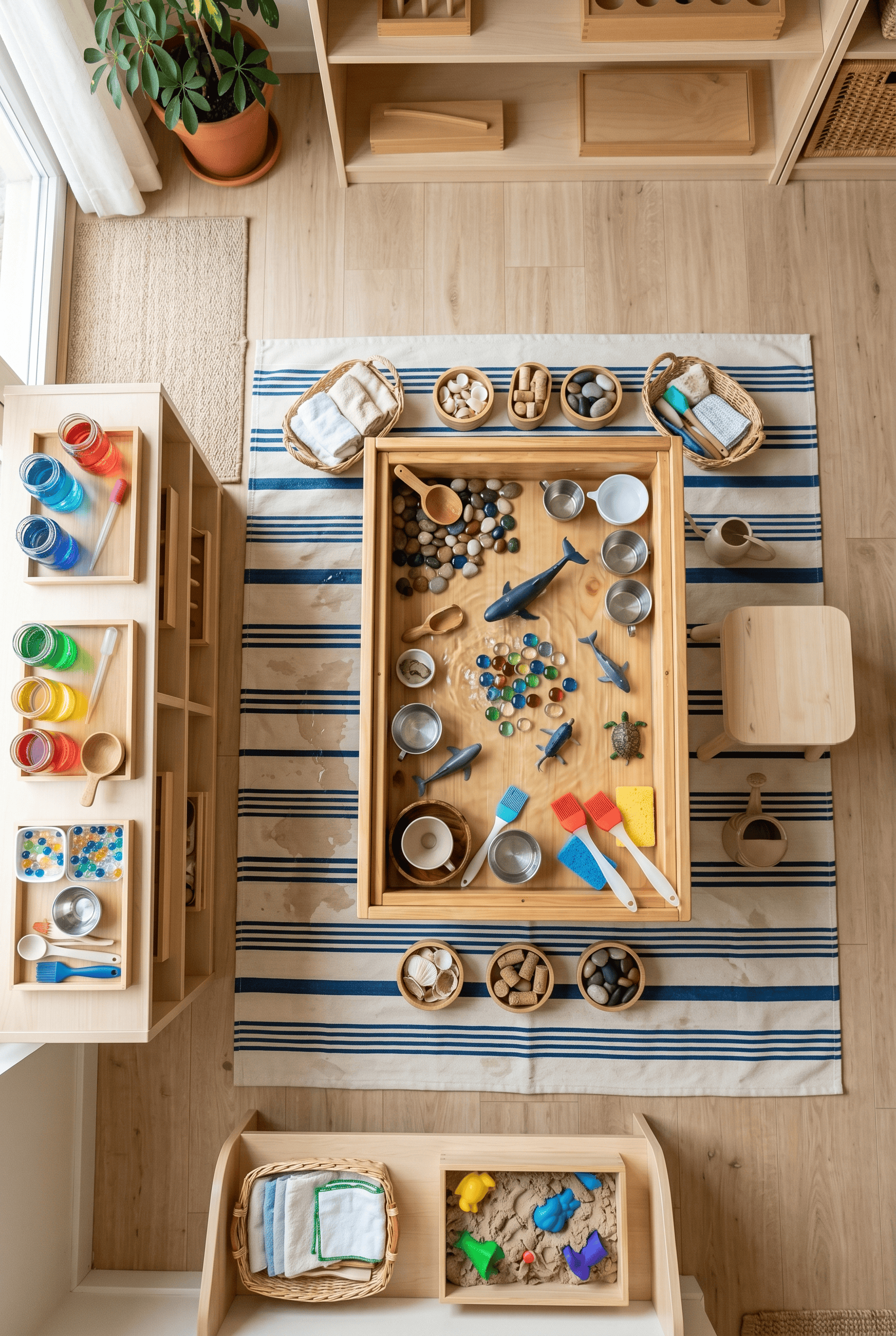
A water play area engages children with sensory experiences and science exploration. Use a shallow basin and waterproof mat to prevent messes. This activity can be both educational and entertaining.
37. Use Fabric Bins for Soft Toys
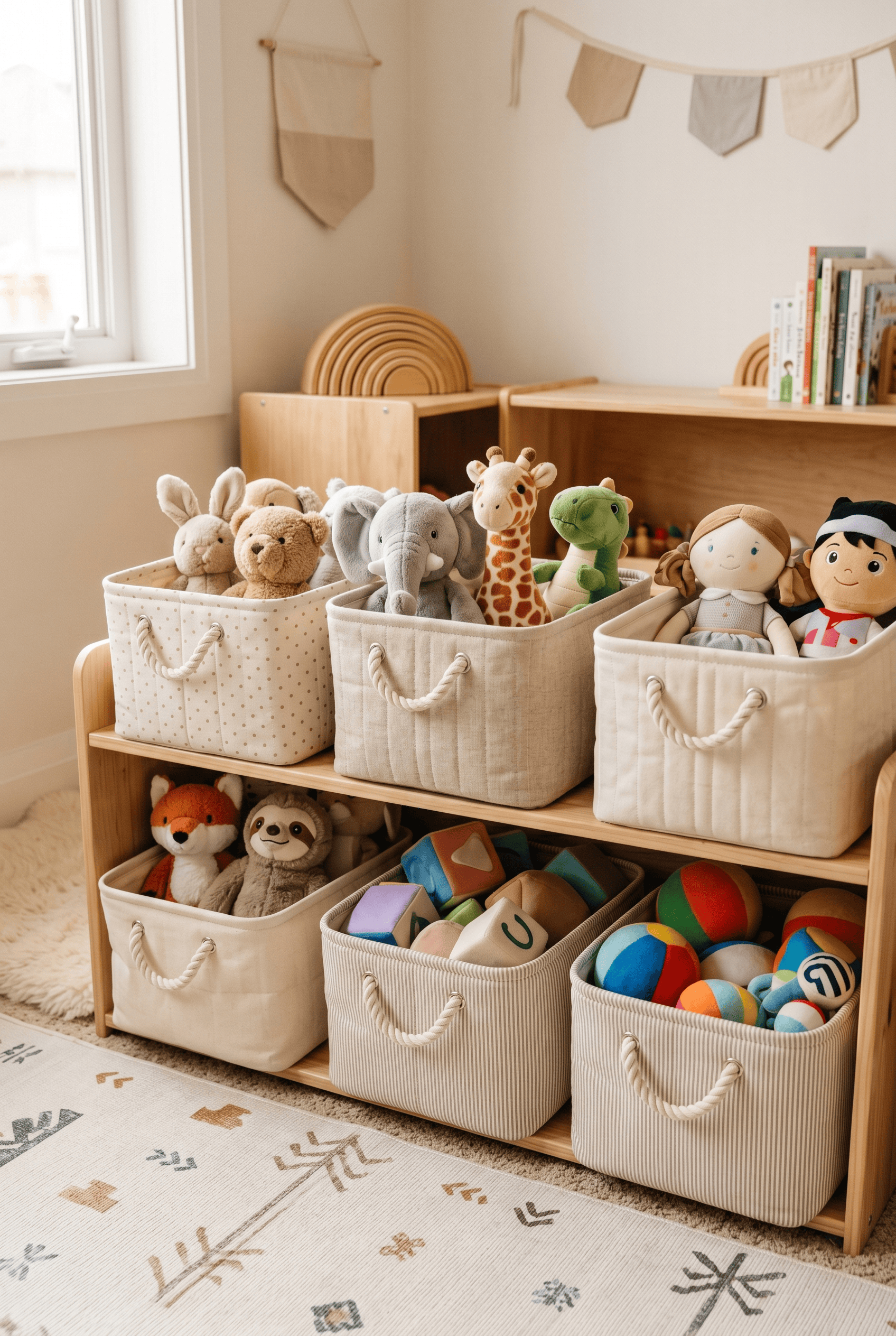
Fabric bins are a soft and safe option for storing plush toys. They are easy for children to access and keep items organized. Choose bins in colors that complement the playroom’s palette.
Transform Your Space with Montessori Playroom Ideas
The best Montessori playroom ideas balance beauty and functionality, creating an environment that nurtures both learning and creativity. Start small by incorporating one idea that fits your home, and watch as your child’s love for learning and discovery grows.
Love these Montessori playroom ideas? Pin your favorites and follow along for more beautiful home inspiration! Whether you’re just starting out or looking to refine your space, these ideas will help create a nurturing and engaging environment for your child.


