31 Nursery Ideas for a Cozy, Functional, and Beautiful Baby Room
A nursery is one of the few rooms designed for two people with completely different needs. Your baby needs a safe, restful place to sleep, while you need a comfortable spot to sit through late-night feeds, change diapers half asleep, and find essentials without turning on every light. The most successful nurseries make those two experiences work together beautifully.
That balance often comes down to layout, not decor. Thoughtful nursery storage ideas can keep everyday essentials within reach, while small nursery ideas offer ways to make limited square footage work harder without crowding the room. Even a softer approach with neutral nursery ideas can create a restful backdrop that leaves room for more personal details as your baby grows.
These nursery ideas explore how to create a room that feels beautiful to walk into and genuinely comfortable to use. You’ll find inspiration for different layouts, decorating styles, and budgets, with practical ways to arrange the essentials, create a calming atmosphere, and make the nursery feel like a meaningful part of your home from the very beginning.
DISCLOSURE: Some of the links provided on this page are affiliate links. This means if you choose to make a purchase through these links, we may receive a small commission at no extra cost to you.
A Calm Palette With Warmth and Personality
Color sets the emotional tone before furniture or decor enters the room. A limited palette gives the nursery a quiet foundation, while natural materials and restrained pattern keep it from feeling plain. These baby room ideas rely on repeated tones rather than perfectly matched pieces. The room feels considered, yet still leaves room for family photographs, favorite motifs, and small changes as your child grows.
Soft Color for a Calmer Nursery
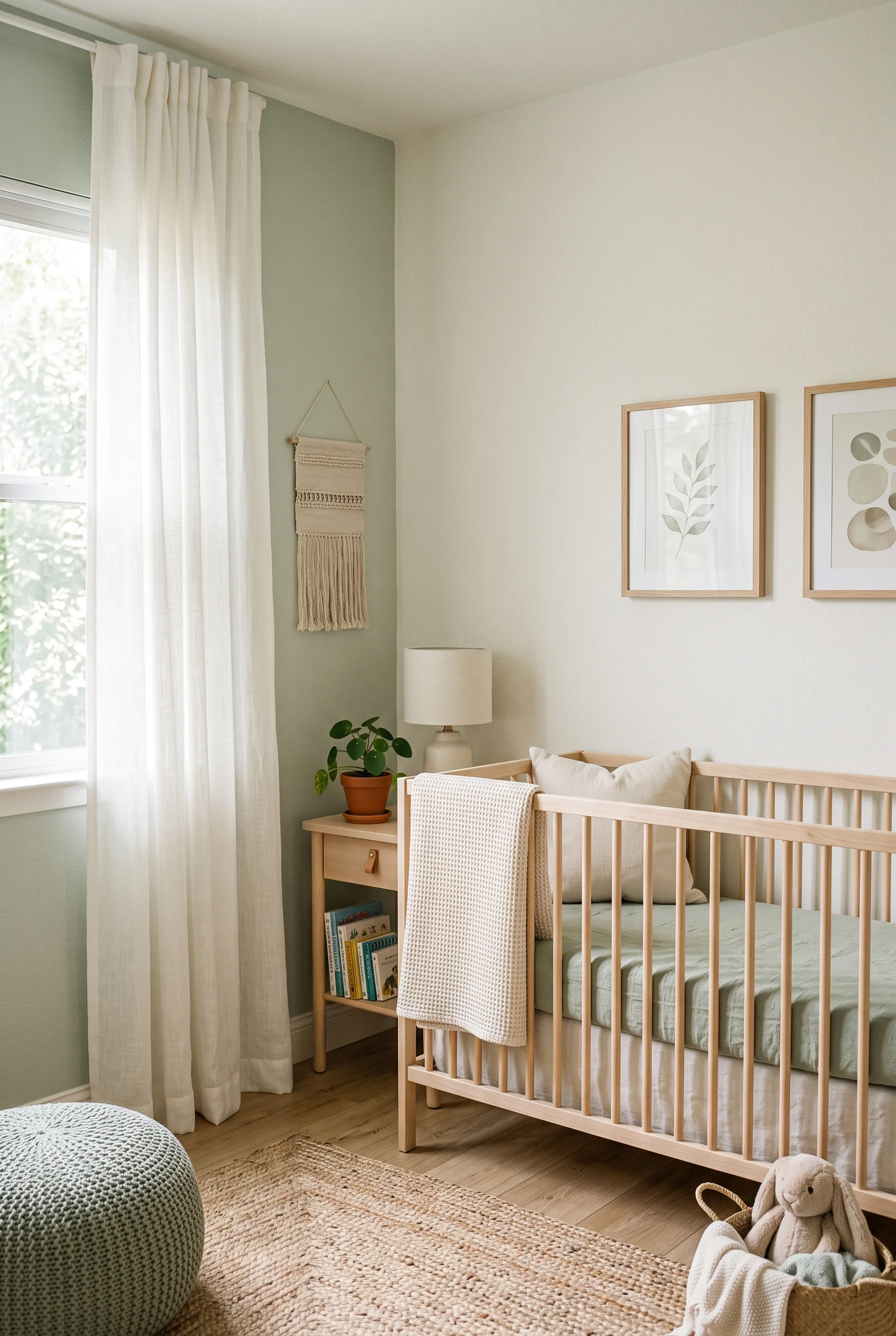
Warm white, muted blue, soft sage, pale blush, and light beige all offer a gentle starting point. Select two or three shades, then repeat them through curtains, a rug, and a few small accessories. A restrained palette lets the crib and changing area feel connected without requiring a matching furniture set.
Paint samples deserve a full day on the wall before you decide. Morning sun may reveal cool undertones that disappear beneath a lamp at night. The right shade should still feel restful during the dim hours when you will use the nursery most.
Warm Neutrals With Plenty of Depth
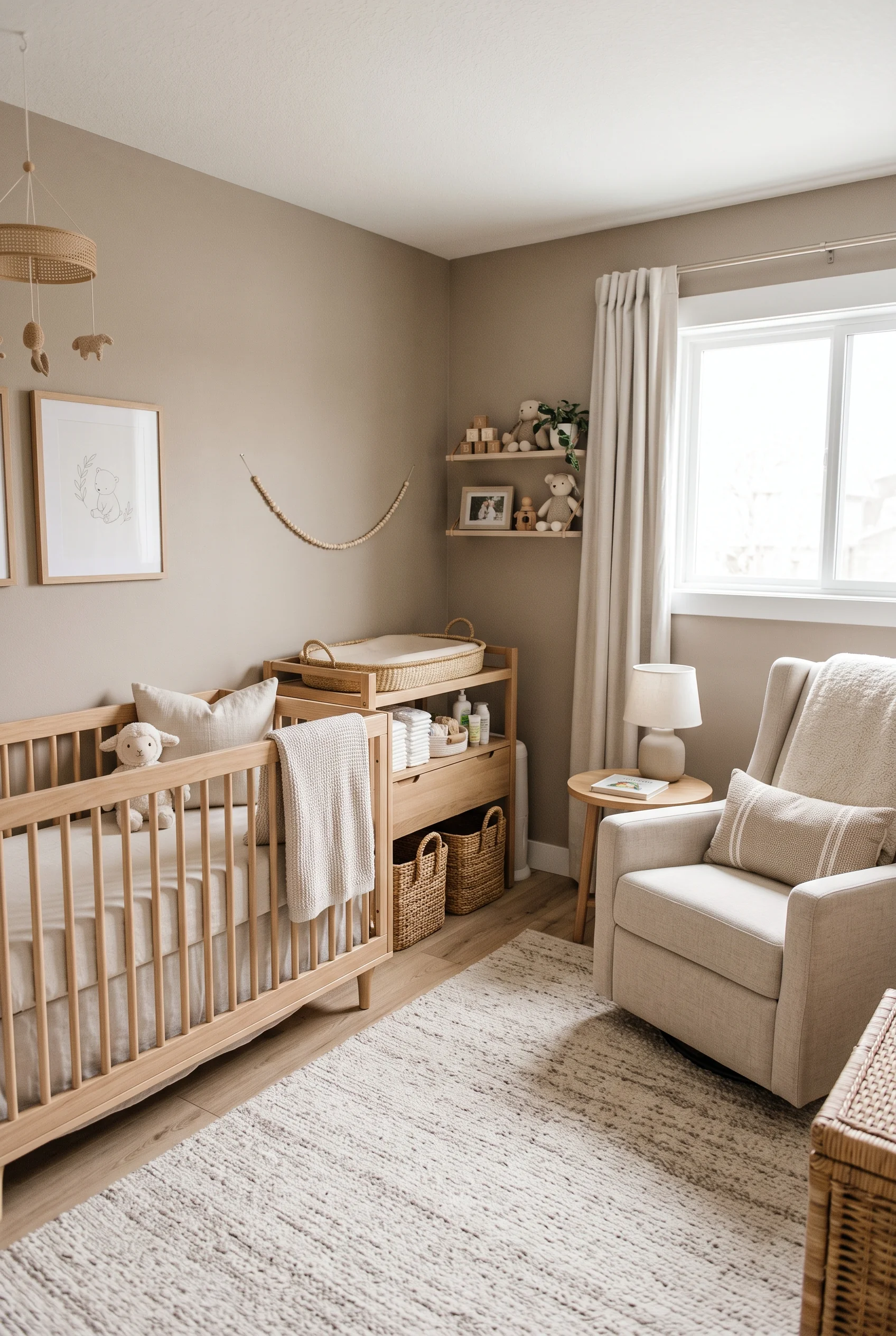
Ivory, oatmeal, sand, and soft taupe can make a cozy nursery feel enveloping without becoming heavy. The variation between these shades matters. It gives a neutral room definition while preserving the quiet mood that makes the palette so appealing.
Texture carries much of the visual interest. Washable cotton, a soft rug, woven fibers, and natural wood each catch the light differently. A small note of charcoal or muted green adds contrast without interrupting the calm. Repeating two or three finishes keeps the layers polished, not overly coordinated.
A Focal Wall With Quiet Impact
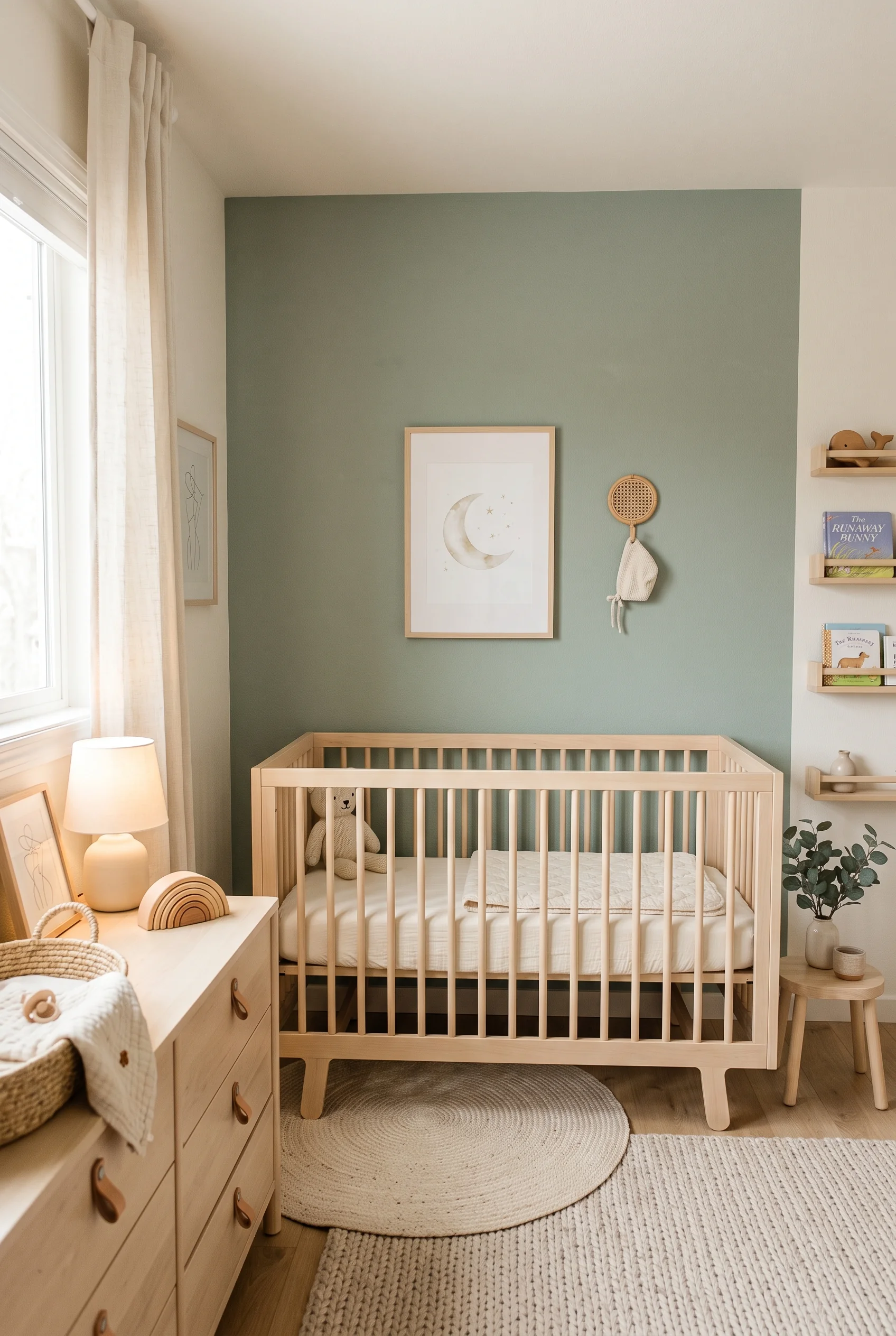
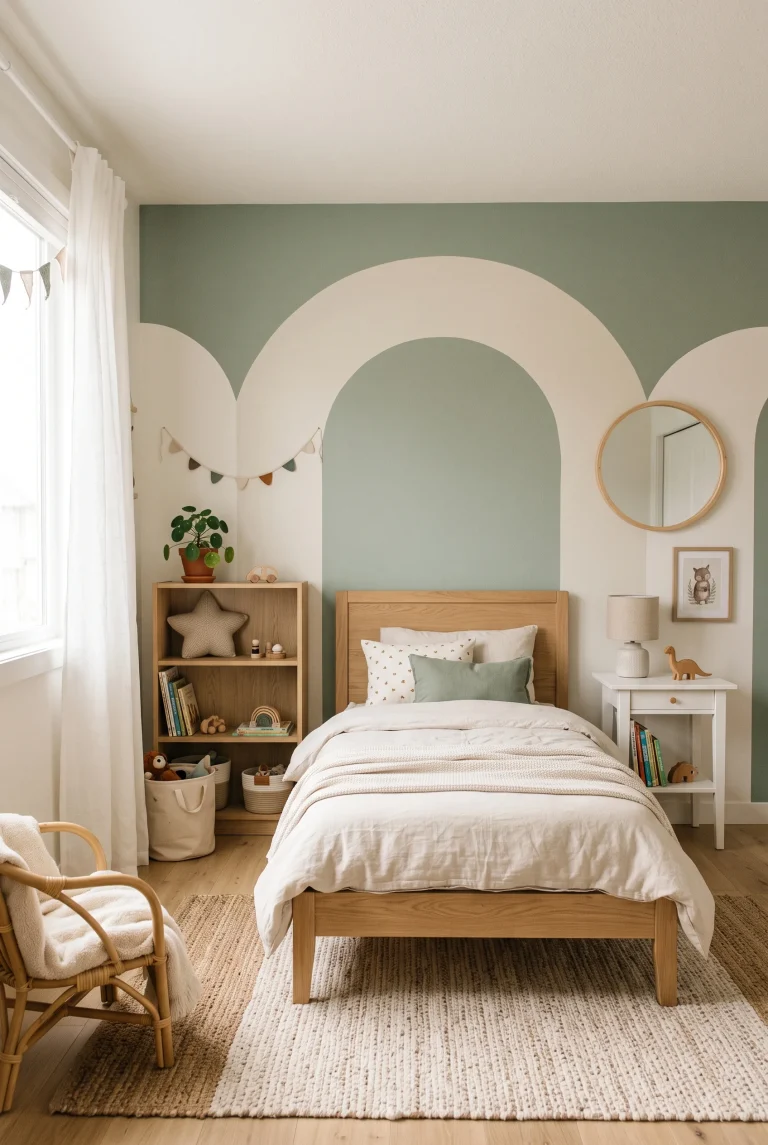
A muted accent wall gives the crib area presence without asking the rest of the room to compete. Soft green, dusty blue, or warm beige can frame a simple crib beautifully. Panel molding offers another subtle option when you prefer texture over stronger color.
Keep the surrounding walls quieter so the focal point remains restful. Heavy frames, shelves, and unsecured objects do not belong above the sleep space. A painted treatment provides definition without placing anything within reach, leaving the crib wall clean and visually settled.
Pattern Without a Permanent Commitment
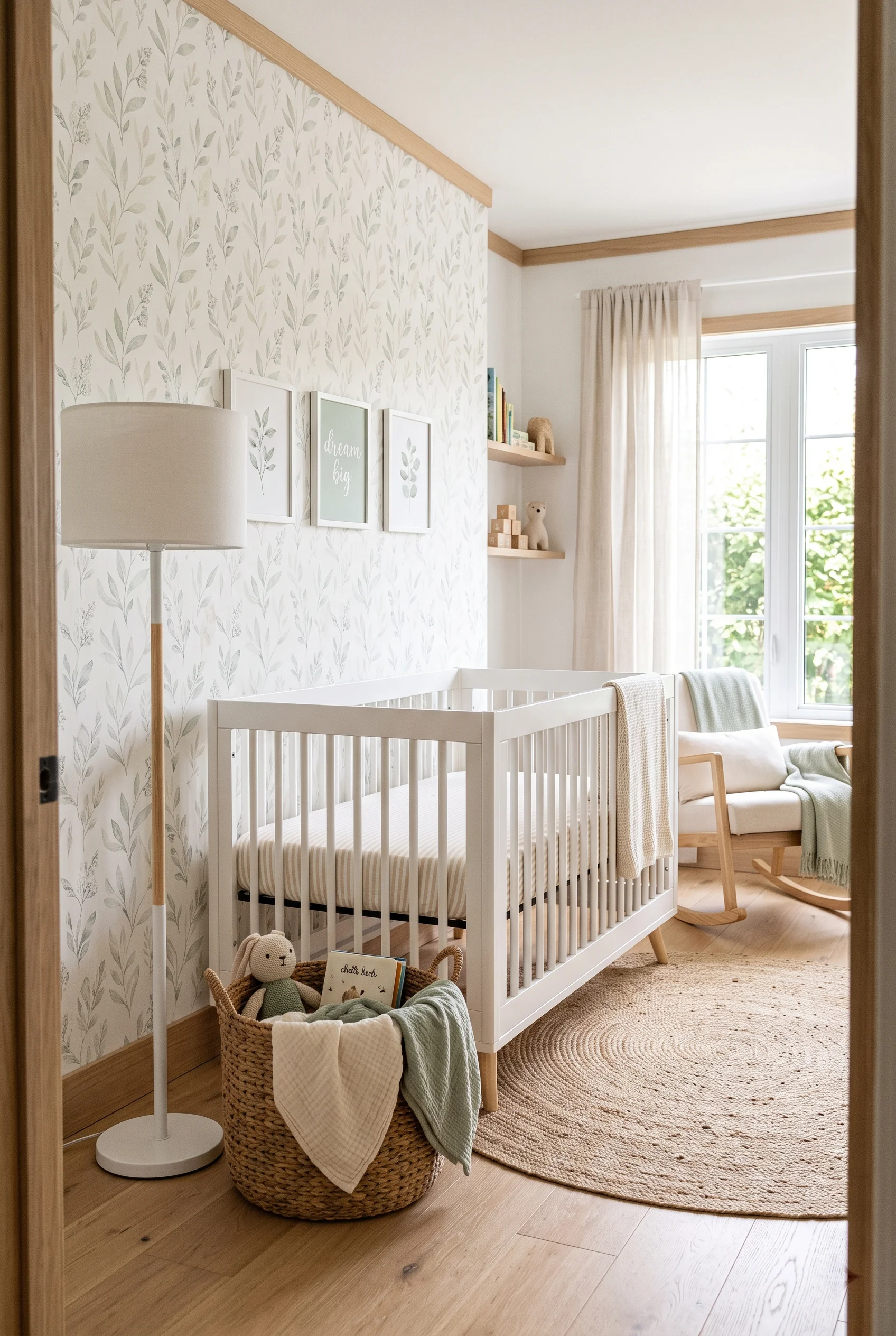
Removable wallpaper brings personality to a nursery without locking the room into one look. Small botanical prints, stars, clouds, or abstract shapes feel playful while maintaining a soft backdrop. Covering a single wall or the upper portion of a wall controls both the cost and visual weight.
Order a sample before committing to several rolls. Check the scale beside the crib and observe the color in daylight and lamplight. Adhesion can also vary by wall finish, so a small test patch helps prevent frustration. The best pattern feels charming from the doorway and gentle from the feeding chair.
Natural Wood Against Muted Walls
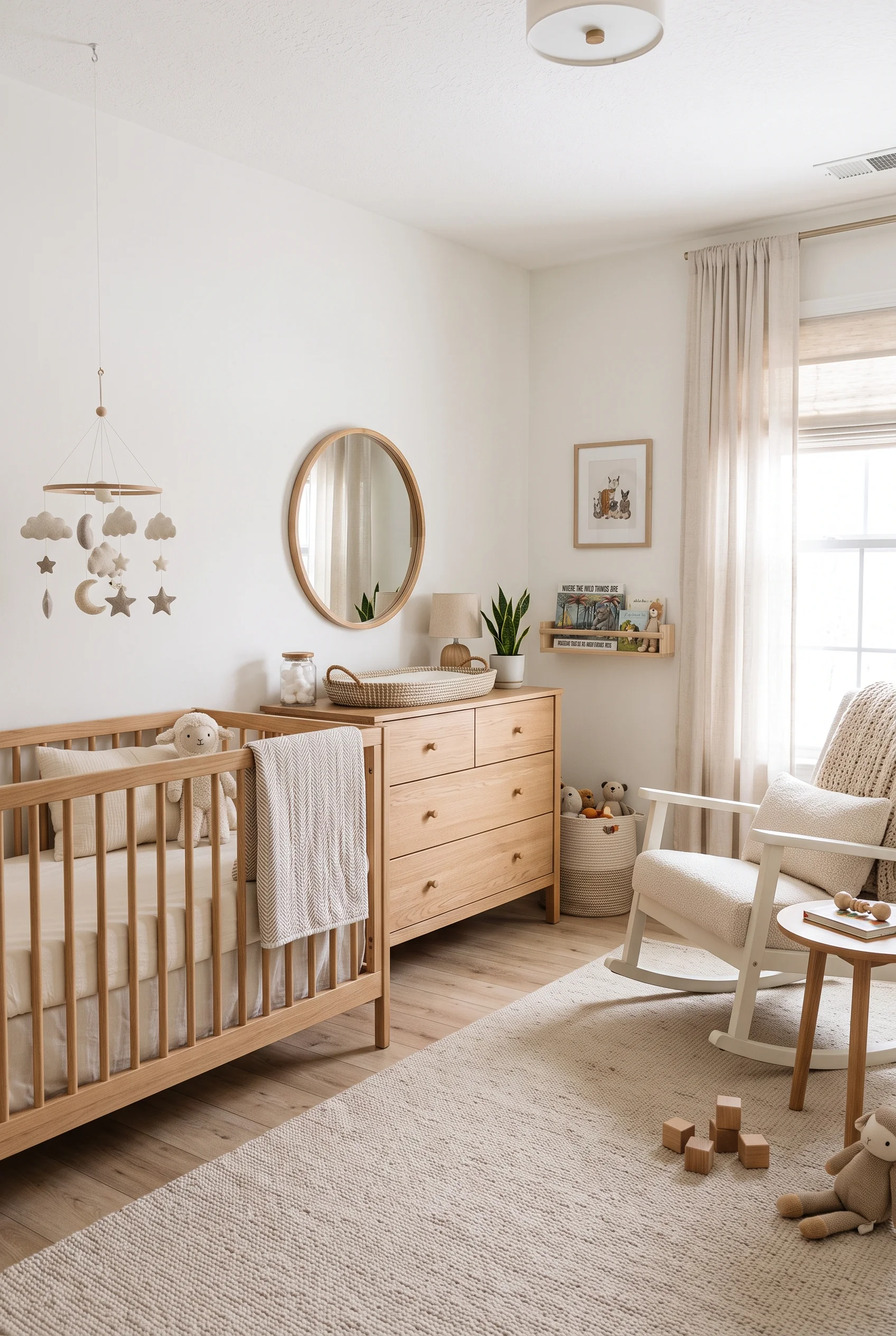
Natural wood furniture brings welcome warmth to white, cream, or muted walls. A wood crib and dresser can anchor the nursery, but not every piece needs to match. Painted furniture beside a natural finish often feels lighter and more collected.
Repeat the wood tone through a lamp base, picture frames, or shelf brackets. These smaller echoes help the main pieces sit comfortably within the room. Smooth, durable finishes are especially practical around sticky fingers and everyday spills. Clean contemporary lines keep the material feeling fresh as the room transitions beyond the baby years.
A Flexible Palette for Any Baby Room
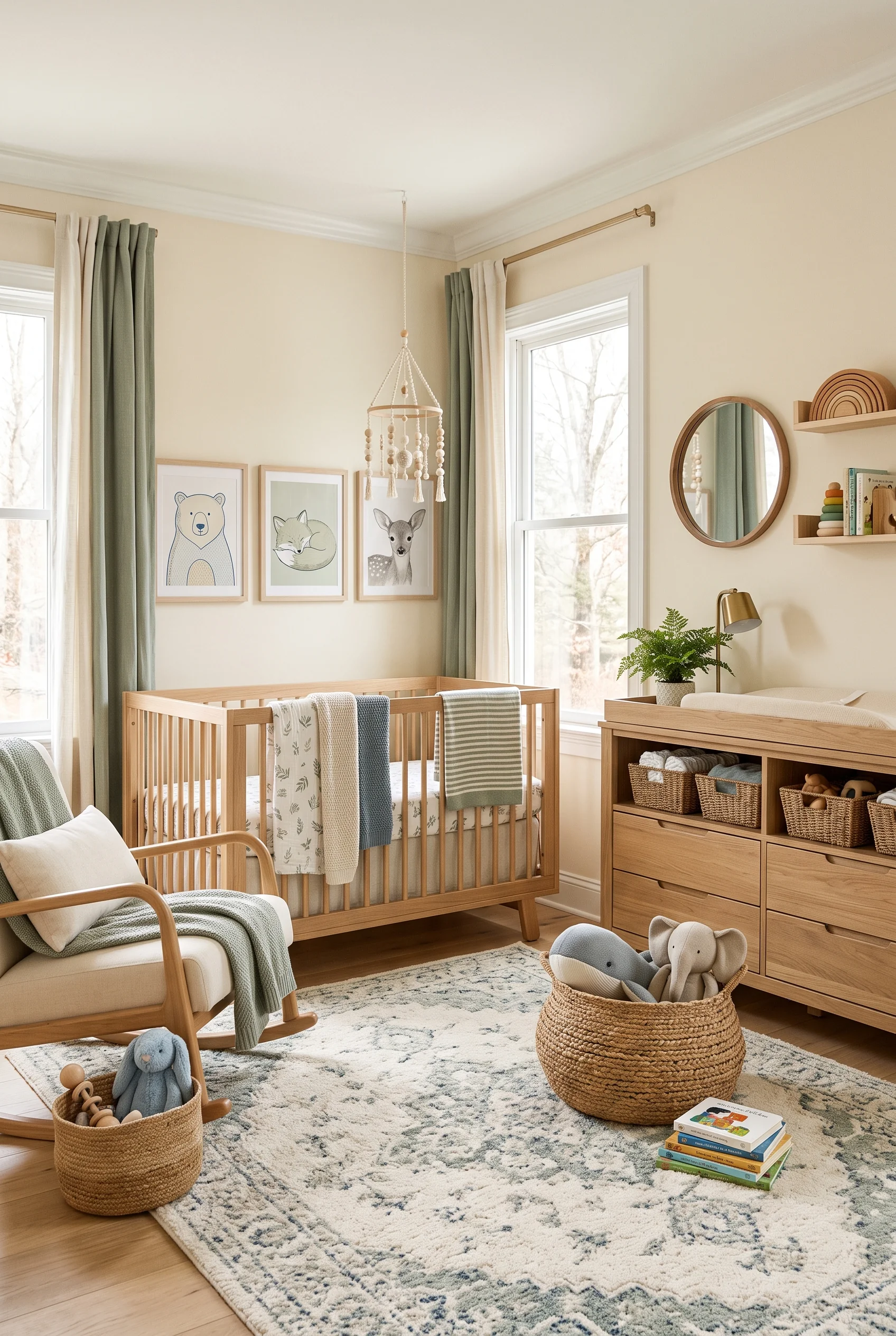
Cream, sage, tan, muted blue, and soft gray offer a flexible foundation for neutral nursery ideas for boys and girls. These colors work easily with animal art, landscapes, stars, or simple geometric forms. Personality can come through without relying on a tightly defined theme.
Keep the crib, dresser, and storage pieces versatile. Brighter notes can arrive through affordable art, baskets, or a fitted sheet, then change as your child’s interests emerge. A calm foundation gives those smaller choices more room to shine while extending the useful life of the larger pieces.
Furniture That Supports the Daily Rhythm
The largest nursery pieces should earn the floor space they occupy. Begin with safe sleep, then consider where feeding and changing will happen during the quietest hours of the night. A clear path between these areas matters more than filling every wall. Thoughtful furniture placement can make a modest room feel generous while keeping the supplies caregivers need close at hand.
A Safe Crib With Long-Term Appeal
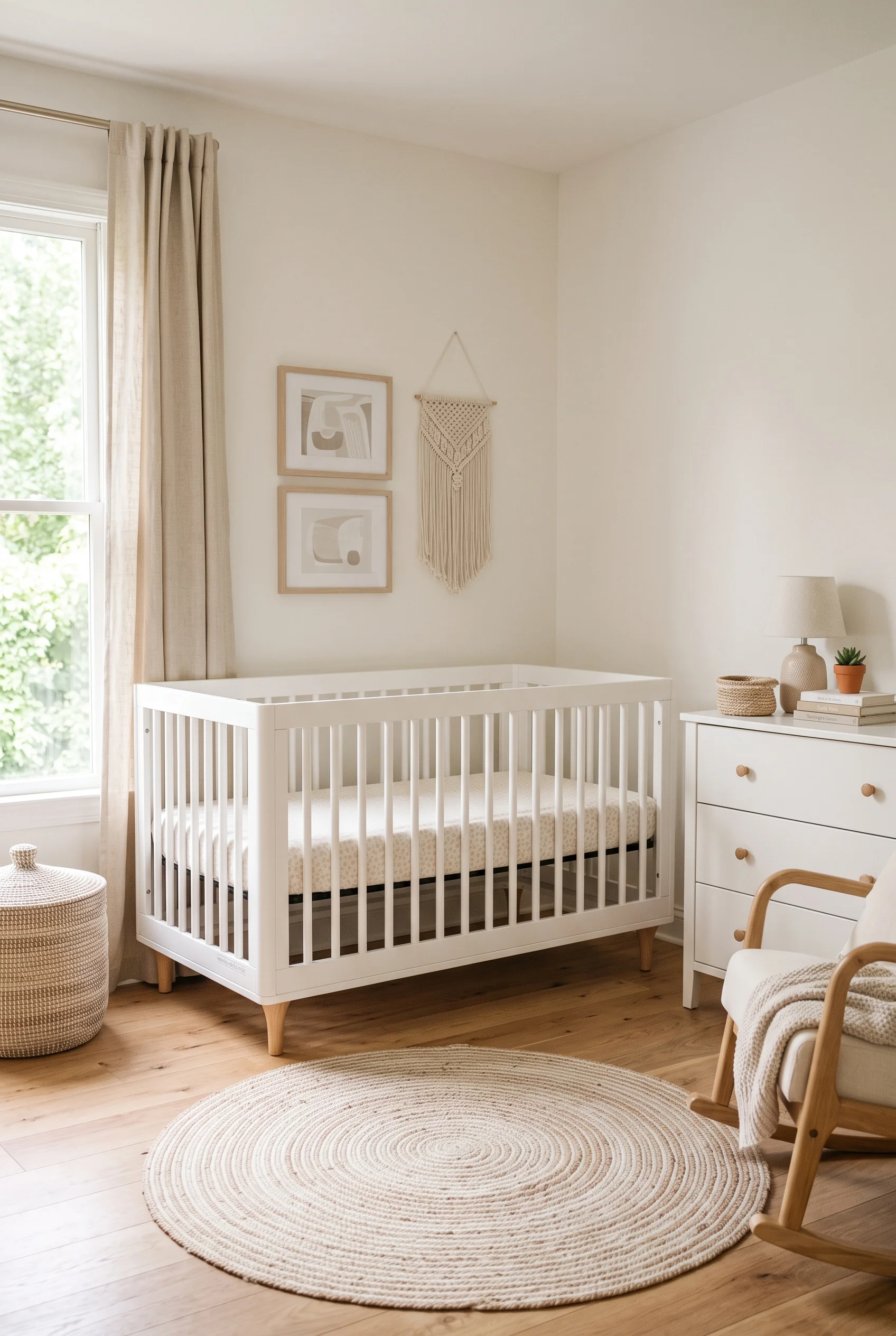
The crib is often the first major furniture decision because its position shapes the rest of the layout. Select a current safety-compliant model with fixed sides, properly spaced slats, and a snug mattress. Keep the sleep surface clear of pillows, bumpers, loose blankets, and decorative toys.
A streamlined design pairs easily with changing decor. Convertible models may also reduce future furniture purchases when the room shifts into the toddler stage. Keep the area above and around the crib visually simple. A fitted sheet and calm wall color are enough to make the sleep zone feel finished.
A Small Table Within Easy Reach
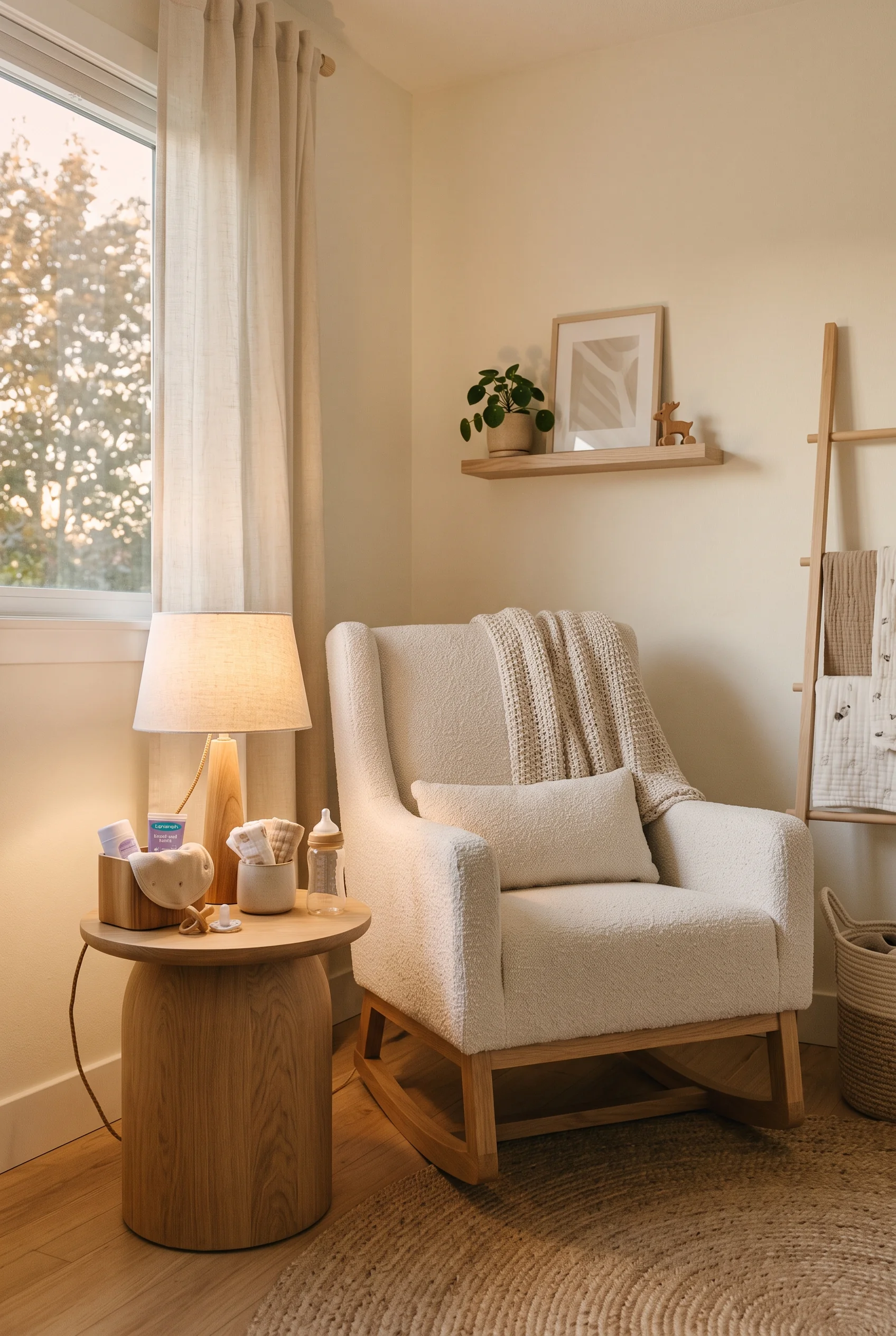
A compact side table gives water, burp cloths, and feeding supplies a reliable place to land. Rounded edges and a stable base are useful in a room where adults may be moving in low light. The surface only needs enough room for the true essentials.
A drawer can hide smaller items, while a lower shelf holds a lightweight basket. Keep medication, hot drinks, cords, and anything small enough to become a hazard safely out of reach. Beside a comfortable chair, the table turns an empty corner into a feeding station that feels quietly prepared.
One Dresser With Two Important Jobs
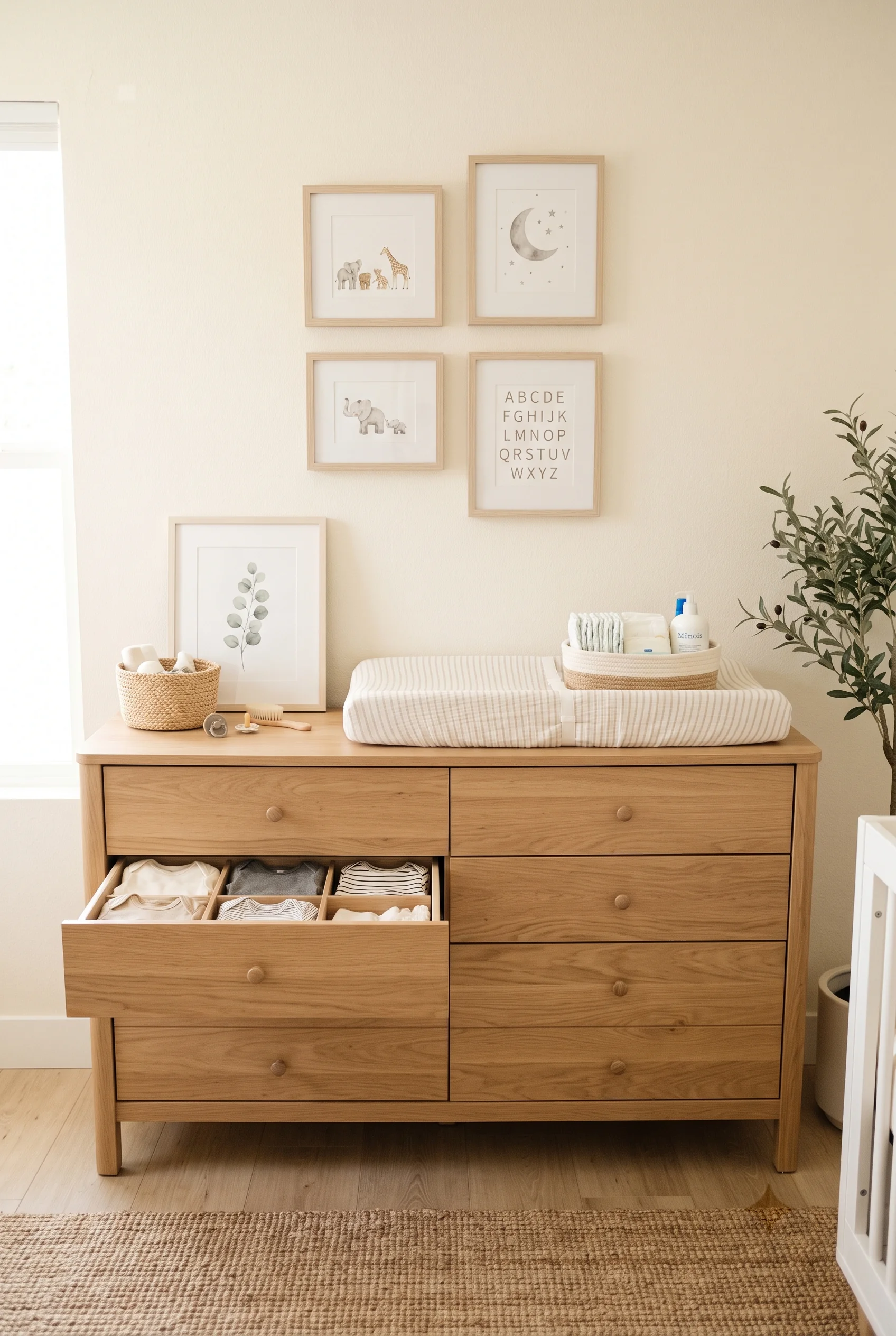
A wide dresser can hold clothing while serving as a changing station, saving the floor space a separate table would require. Check the height against the caregivers who will use it most. Repeated bending becomes uncomfortable quickly, especially during frequent newborn changes.
Secure the dresser and changing pad according to manufacturer guidance. Diapers and wipes can live in the top drawer or an adult-accessible basket nearby, while creams and unsafe items stay away from the changing surface. Once diapers are no longer part of the routine, the dresser remains useful without a major room reset.
Clear Zones for Sleep, Feeding, and Changes
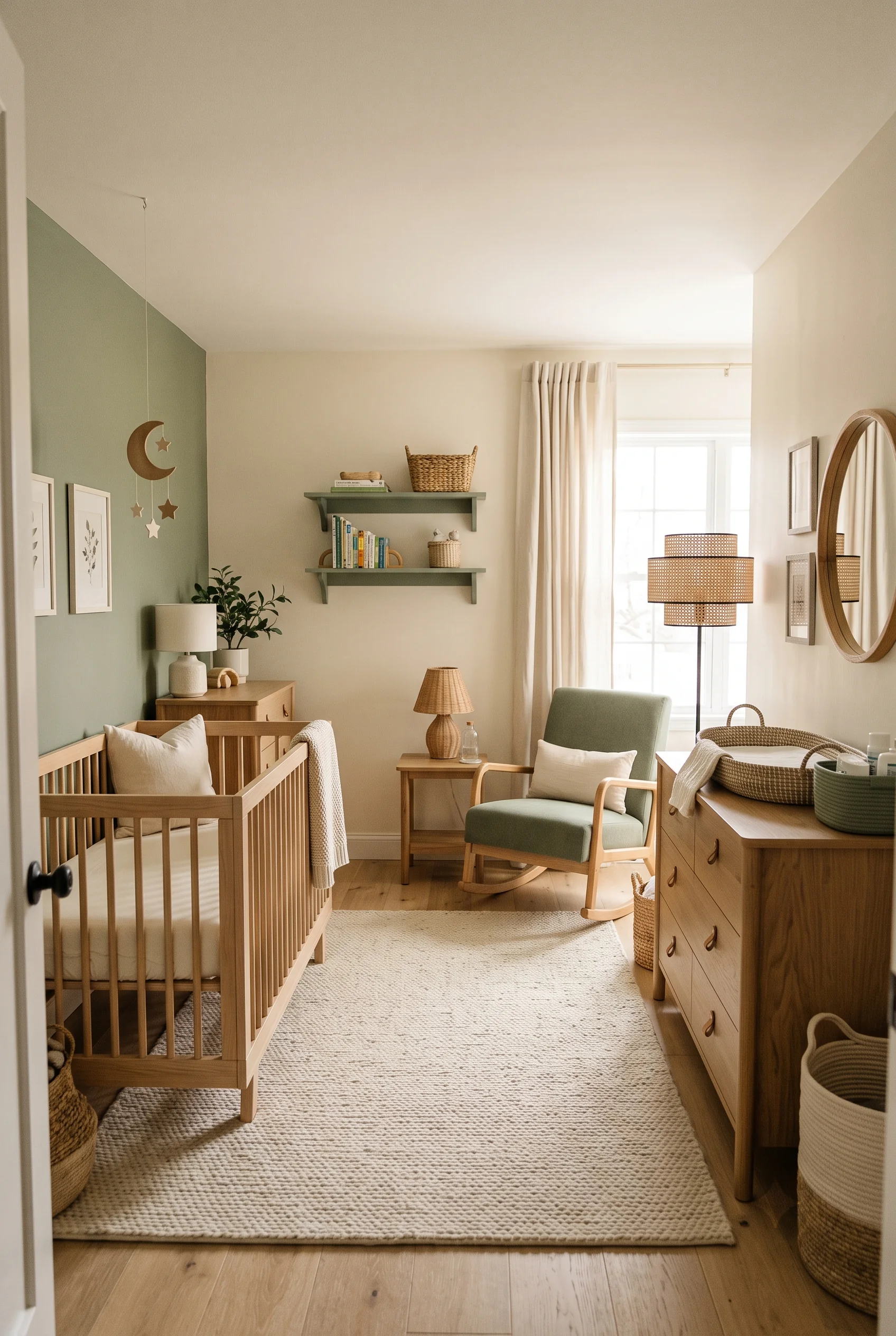
Distinct activity zones reduce unnecessary movement during nighttime care. Let the crib define the sleep area, the chair establish the feeding corner, and the dresser hold changing supplies. Each part of the room has a clear purpose without needing physical dividers.
Store supplies near the place where they are used rather than gathering everything in one cabinet. Keep burp cloths by the chair, and diapers near the dresser. Preserve open walking paths between zones and check them with the lights dimmed. The room should remain easy to navigate when everyone is tired.
A Small Nursery Layout With Breathing Room
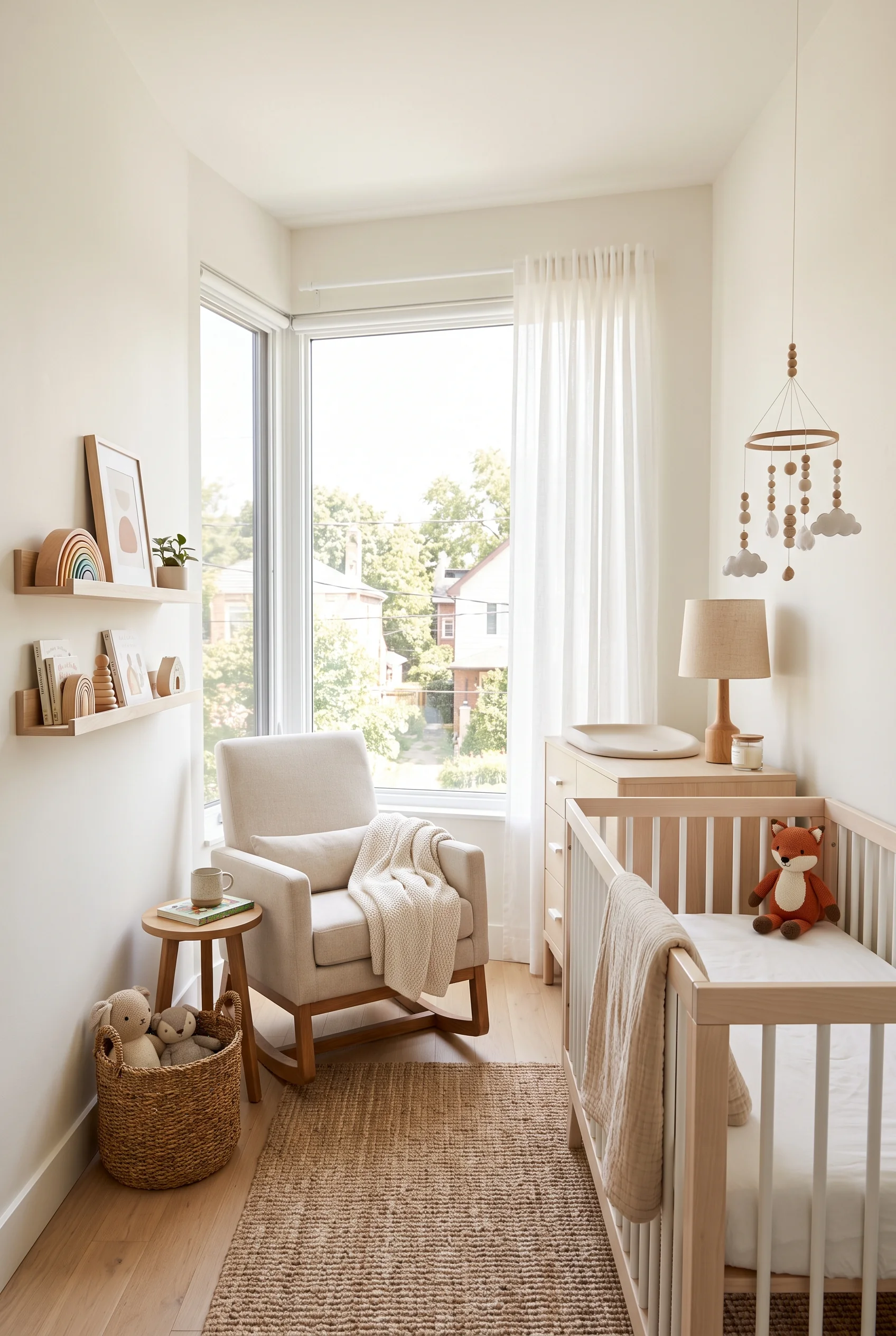
Accurate measurements start any successful small nursery plan. Note the doors, windows, vents, and usable wall lengths before ordering furniture. A compact crib, narrow dresser, and petite chair may provide everything the room truly needs.
Position larger pieces around the perimeter to preserve a comfortable walkway through the center. Select furniture for the room’s actual dimensions, not how it looks in a large showroom. Fewer well-scaled pieces will usually feel more functional than several undersized additions. The open floor area becomes valuable later when play enters the daily routine.
Storage That Makes Every Inch Work Harder
Baby belongings may be small, but they accumulate quickly. The most effective nursery organization ideas give everyday supplies a home without turning the room into a wall of containers. Open storage works well for books and frequently used essentials. Closed bins are better for visual clutter, extra linens, and clothing in future sizes. A consistent material or color keeps practical storage feeling calm.
Floating Shelves With Room to Breathe
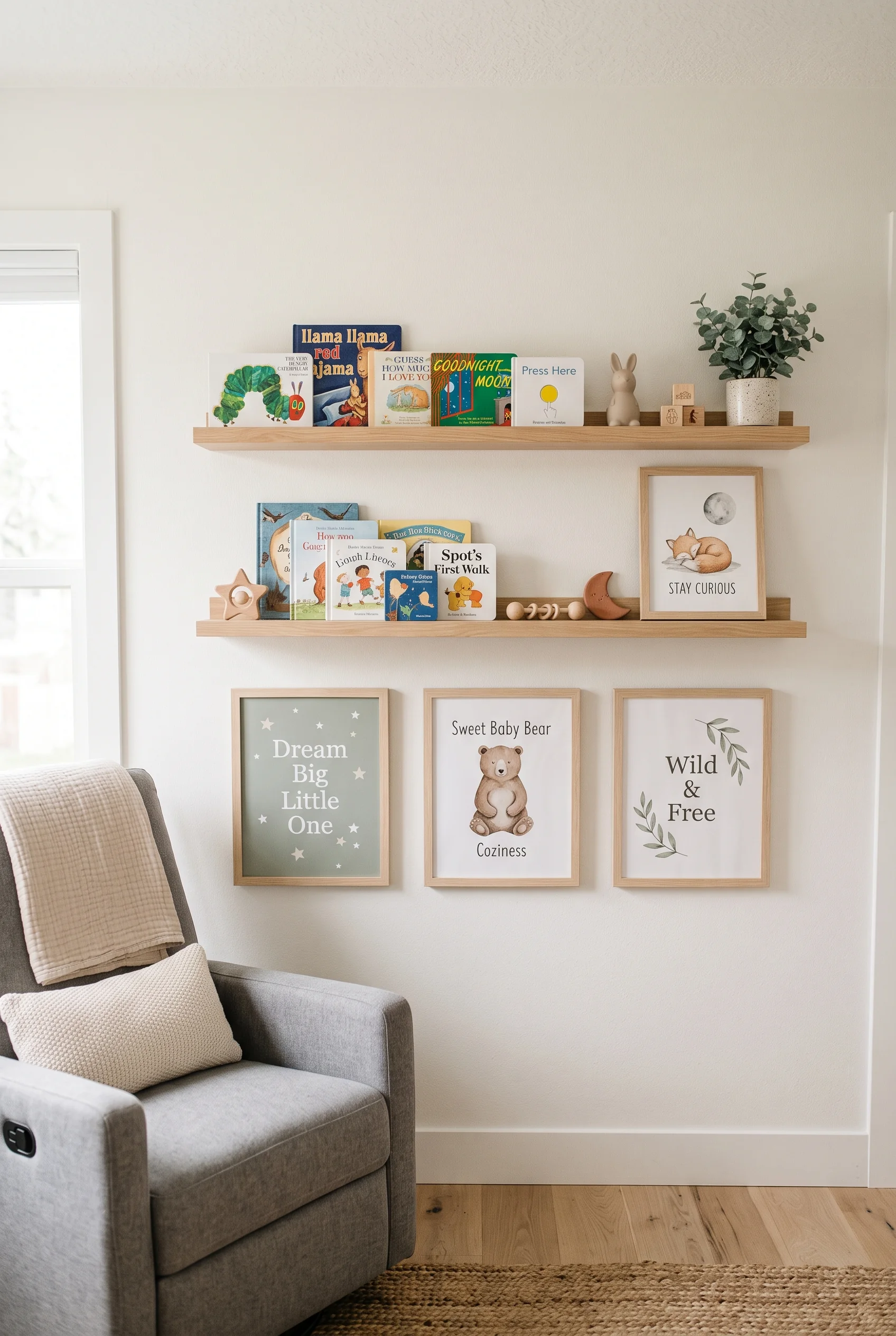
Floating shelves use an open wall without adding another bulky floor piece. A small arrangement of books, lightweight art, and one decorative object is often enough. Leaving visible space around each item also makes the display easier to dust.
Install every shelf securely and position it away from the crib or any area a growing child could reach. Shelves above a reading chair or along an otherwise unused wall can add both storage and color. A limited selection feels intentional, especially when the book covers repeat shades already used in the room.
Favorite Books Facing Forward
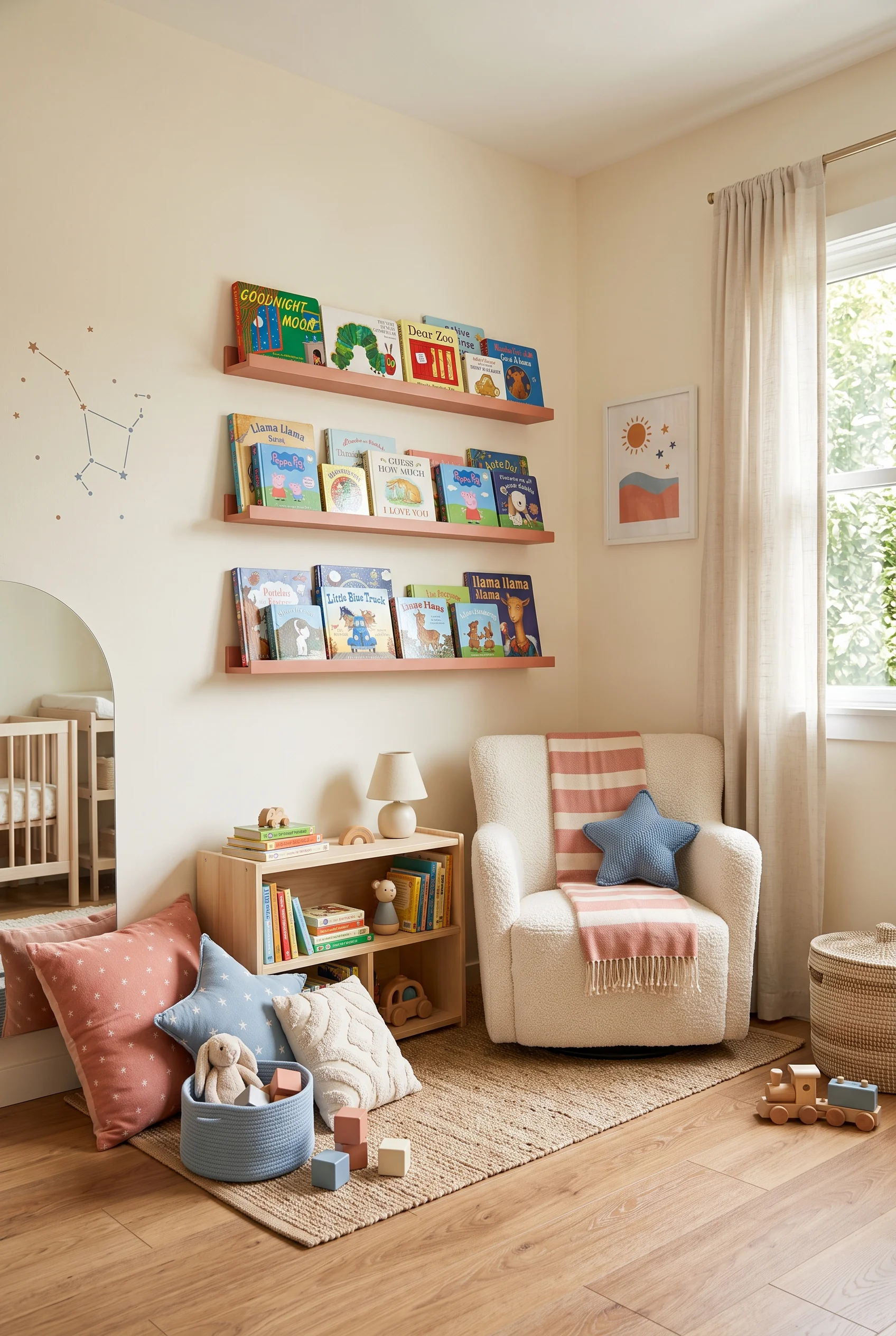
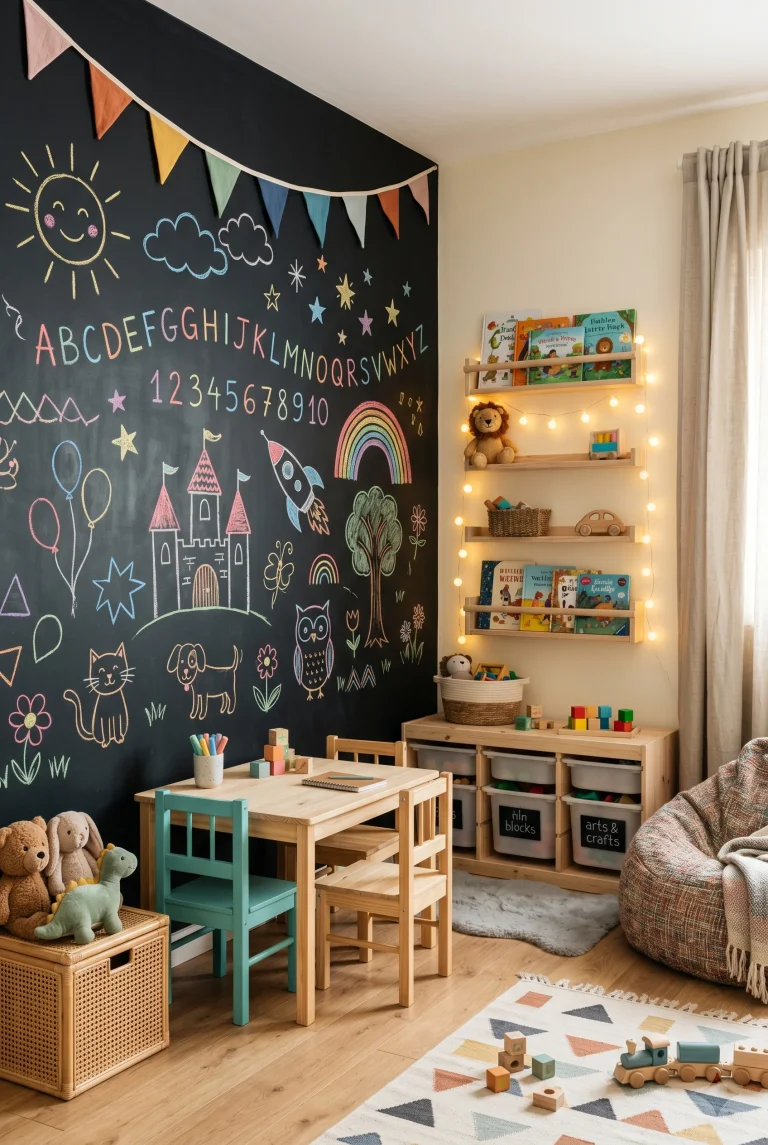
Shallow picture ledges turn board book covers into cheerful nursery decor. Facing books outward makes familiar titles easy to spot and brings color to the wall without adding extra artwork. One long ledge suits a wide wall, while a short vertical grouping fits a narrow corner.
Place the display near the reading chair, but out of the crib’s reach. Rotate the selection with the seasons or change it as favorite stories emerge. Keeping only a few books visible gives each cover presence and prevents the ledges from feeling crowded.
Woven Baskets for the Everyday Essentials
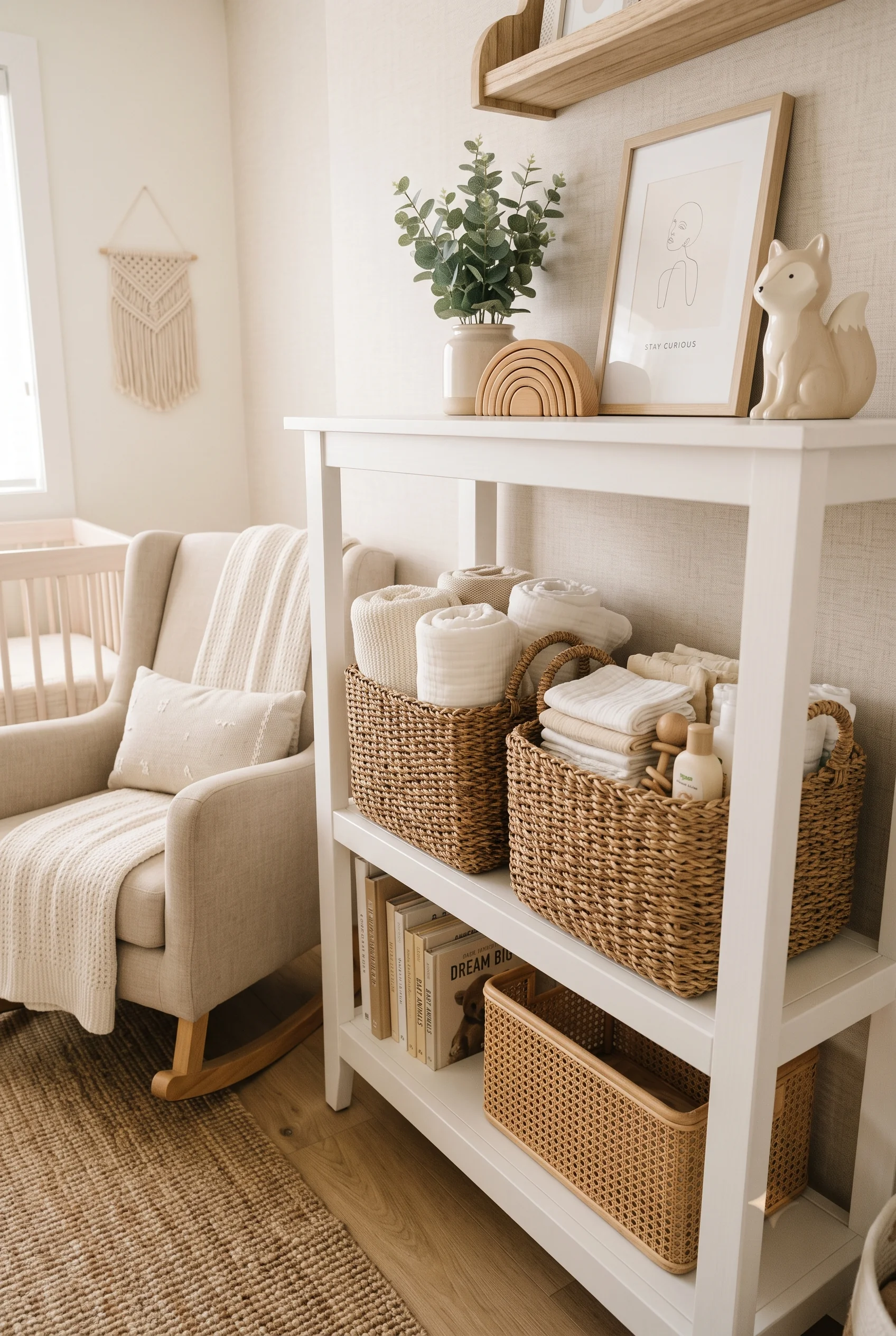
Woven baskets soften open shelving while keeping blankets, burp cloths, and nursing supplies contained. Open styles work best for things reached several times a day. Lidded baskets can conceal outgrown clothing or less attractive extras.
Simple labels help every caregiver put items back in the right place. In areas a child may eventually access, lightweight or soft-sided baskets are easier to manage than heavy containers. Coordinating the shapes or tones brings order to practical storage without requiring perfect matches. The texture adds warmth even when the room’s palette is quiet.
Hidden Storage Beneath the Crib
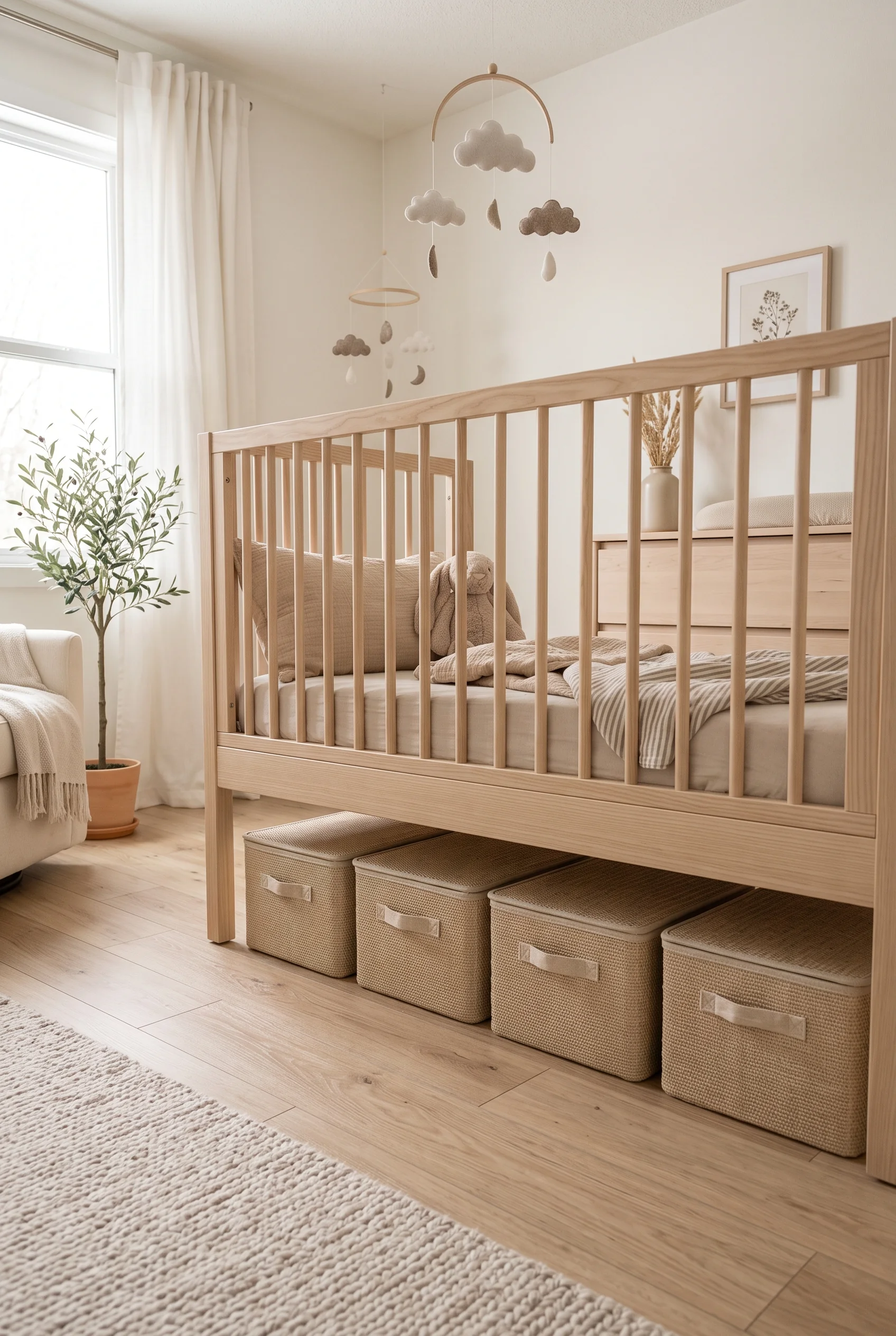
The space beneath a crib can hold spare sheets, sleep sacks, or next-size clothing. Low-profile bins with fitted lids protect these less-used items from dust while keeping them close. Measure the clearance carefully, including any center support beneath the crib.
Containers should slide out without lifting or scraping the frame. Avoid packing the area so tightly that retrieving one item becomes a project. Two well-sized bins often work better than a row of small boxes. When the fronts coordinate with the crib or rug, the storage nearly disappears from view.
A Neat Row of Useful Wall Hooks
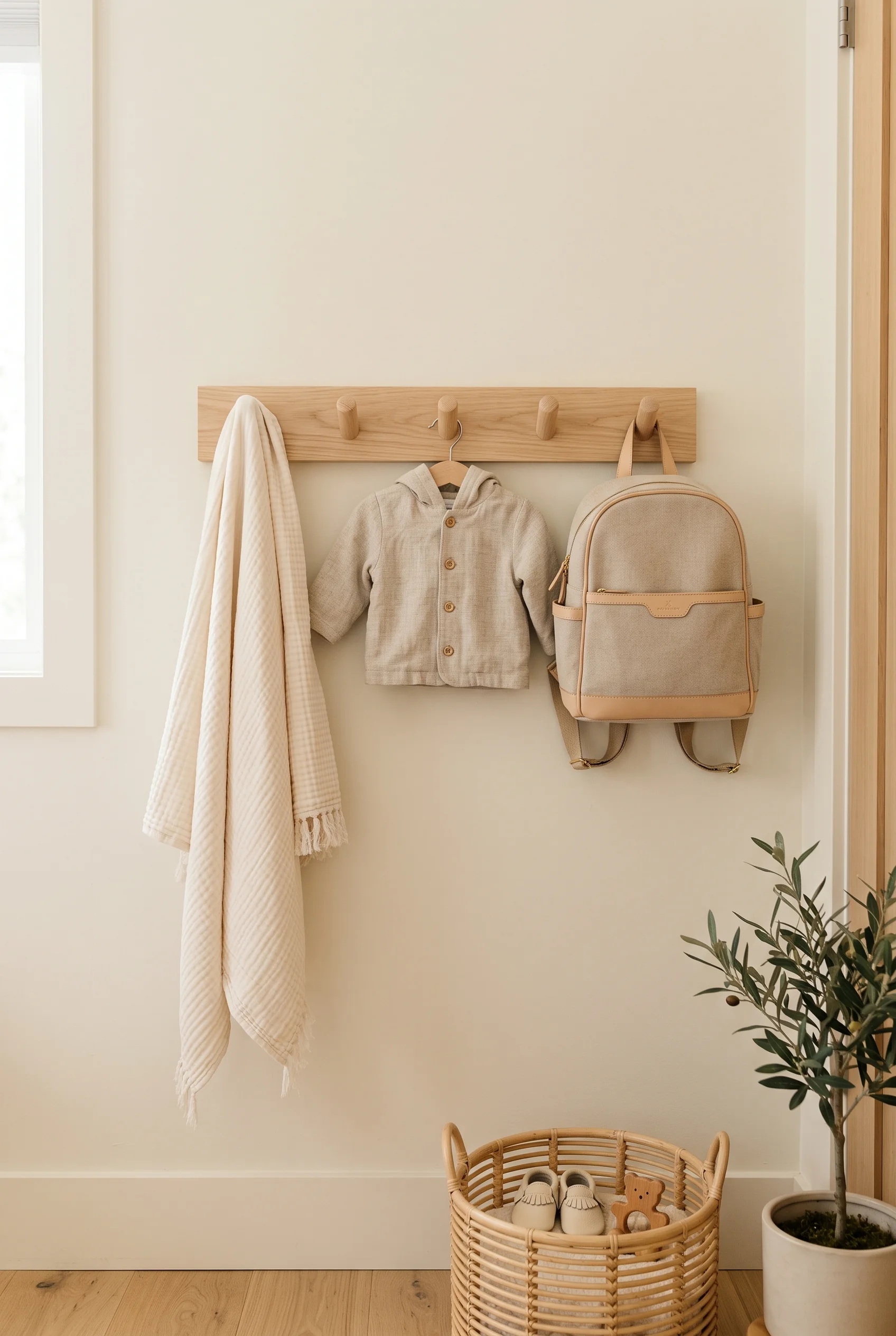
Wall hooks near the door or changing area provide an easy home for a lightweight blanket, tiny jacket, or compact diaper bag. A row of matching rounded hooks can look as considered as framed decor while using very little wall space.
Mount them securely and well away from the crib. As the baby becomes mobile, long straps, cords, and heavy items need a different storage location. Limit each hook to one or two pieces to keep the wall from becoming a drop zone. The arrangement stays most attractive when a little empty space remains visible.
Comfort Shaped by Texture and Light
A restful nursery is as much about how the room feels as how it looks. A soft rug quiets footsteps, blackout curtains manage daylight, and layered lighting lets the atmosphere shift after sunset. These choices support the practical rhythm of naps and nighttime care. A playful mobile or restrained finishing detail can add charm without disrupting the room’s gentle mood.
A Soft Rug That Grounds the Room
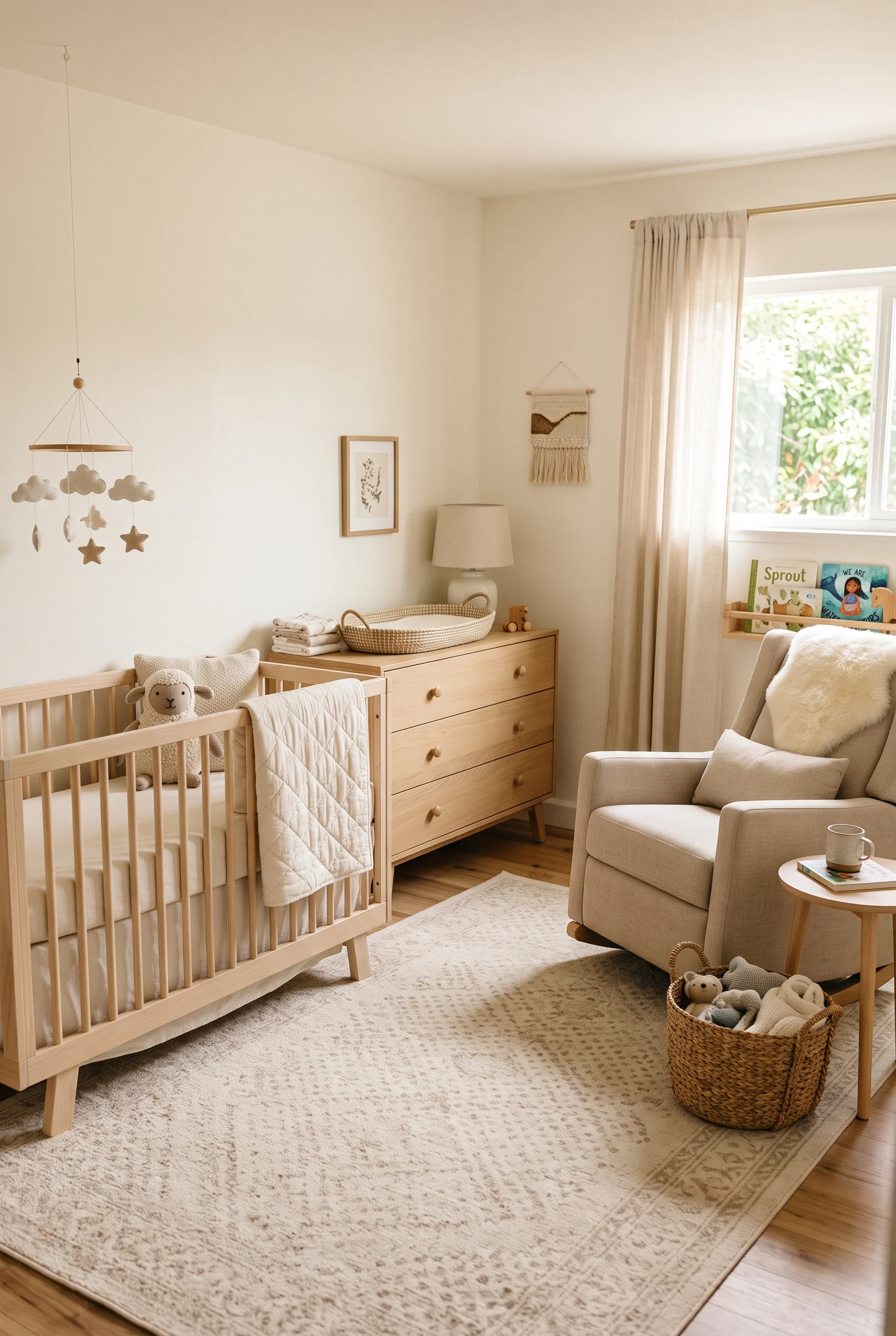
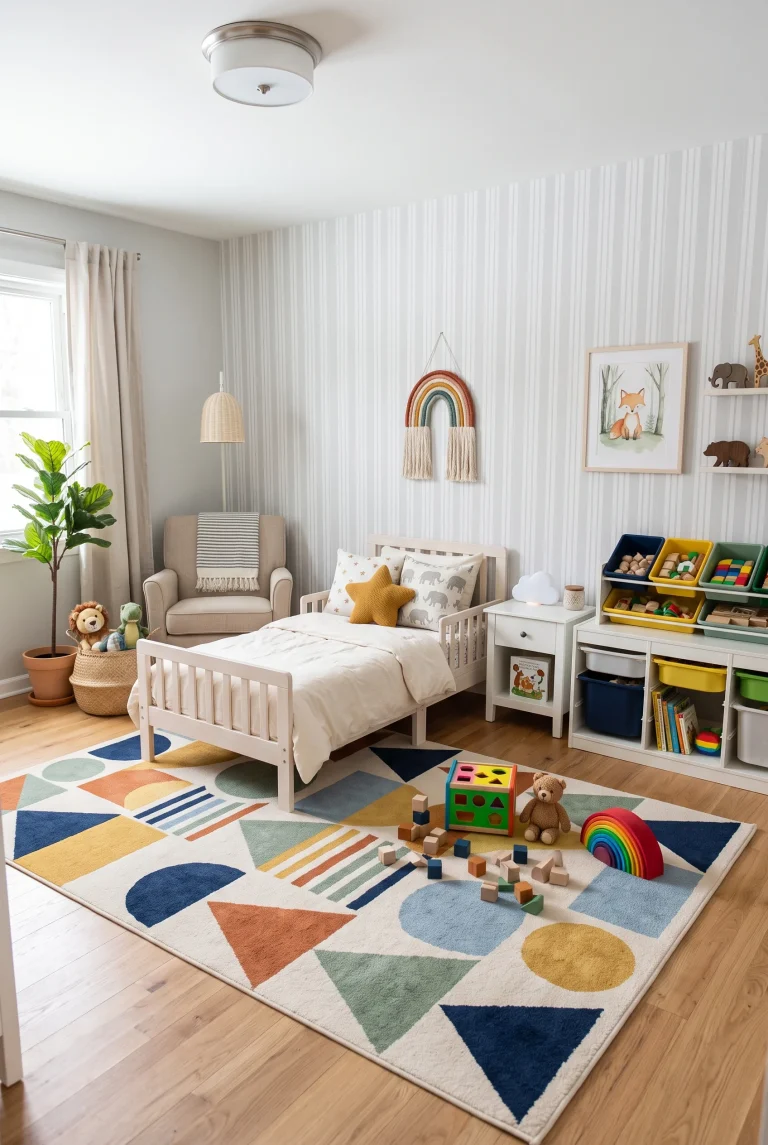
A large rug softens hard flooring and absorbs some of the sound from footsteps. Low-pile, easy-to-clean materials suit the nursery now and future floor play later. A subtle pattern can disguise daily wear while adding gentle movement to a neutral palette.
Size matters more than decoration. The rug should connect the crib, dresser, and chair rather than float alone in the center. A non-slip pad keeps it stable, and flat edges reduce tripping during nighttime visits. Cream, oatmeal, or softly patterned designs bring warmth without making the floor feel visually busy.
Blackout Curtains With a Polished Finish
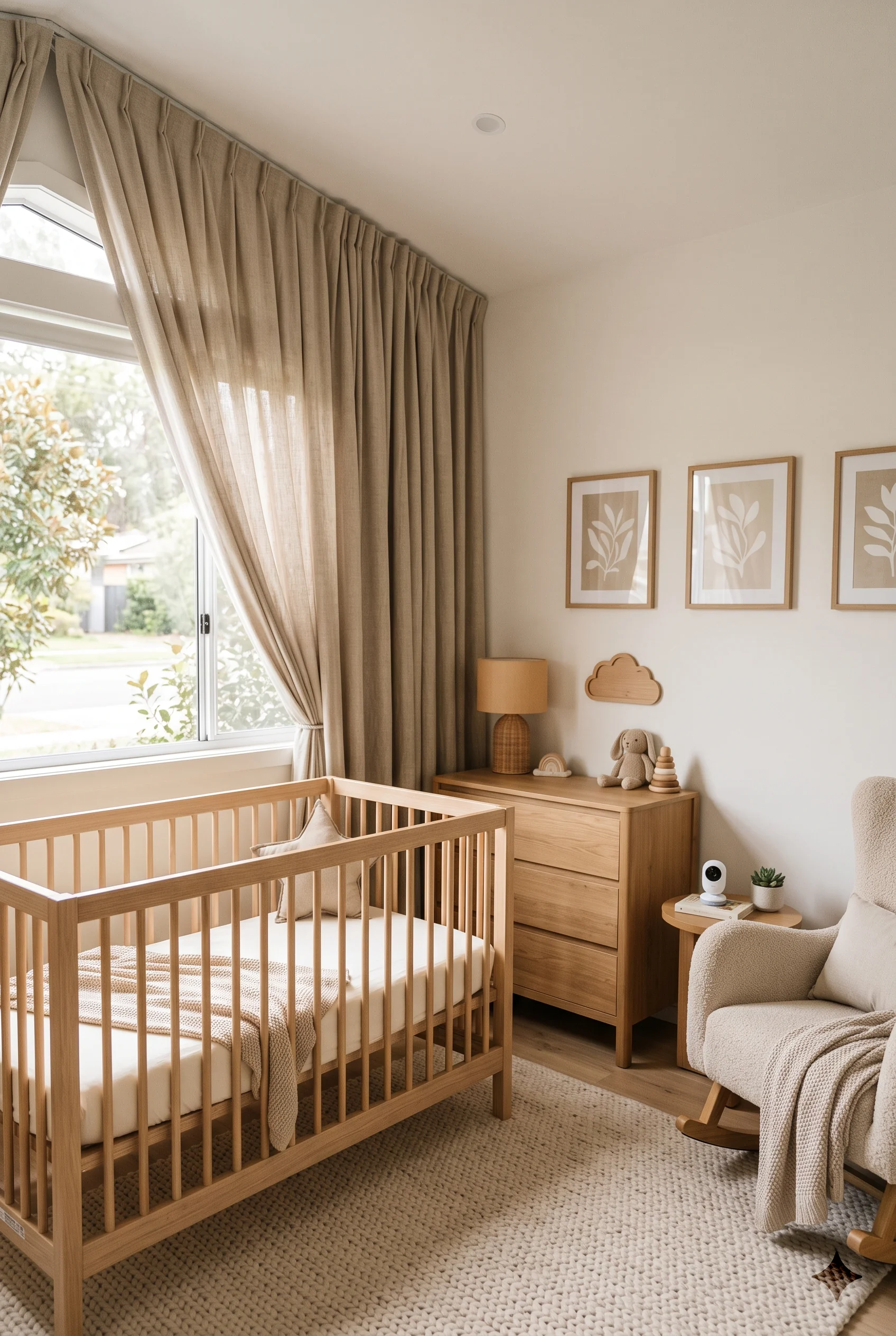
Blackout curtains or shades can make daytime naps and early mornings easier to manage. Floor-length panels add softness, while a quality lining controls light. Warm beige or cream keeps the window treatment connected to a calm nursery palette.
Mount the hardware securely, slightly above and wider than the window, to make the wall look taller. Cordless coverage is the safest choice for a child’s room. If you layer decorative panels over a shade, keep the arrangement simple and easy to operate. The room should shift from bright morning light to a darker nap setting without fuss.
Layered Lighting for Every Hour
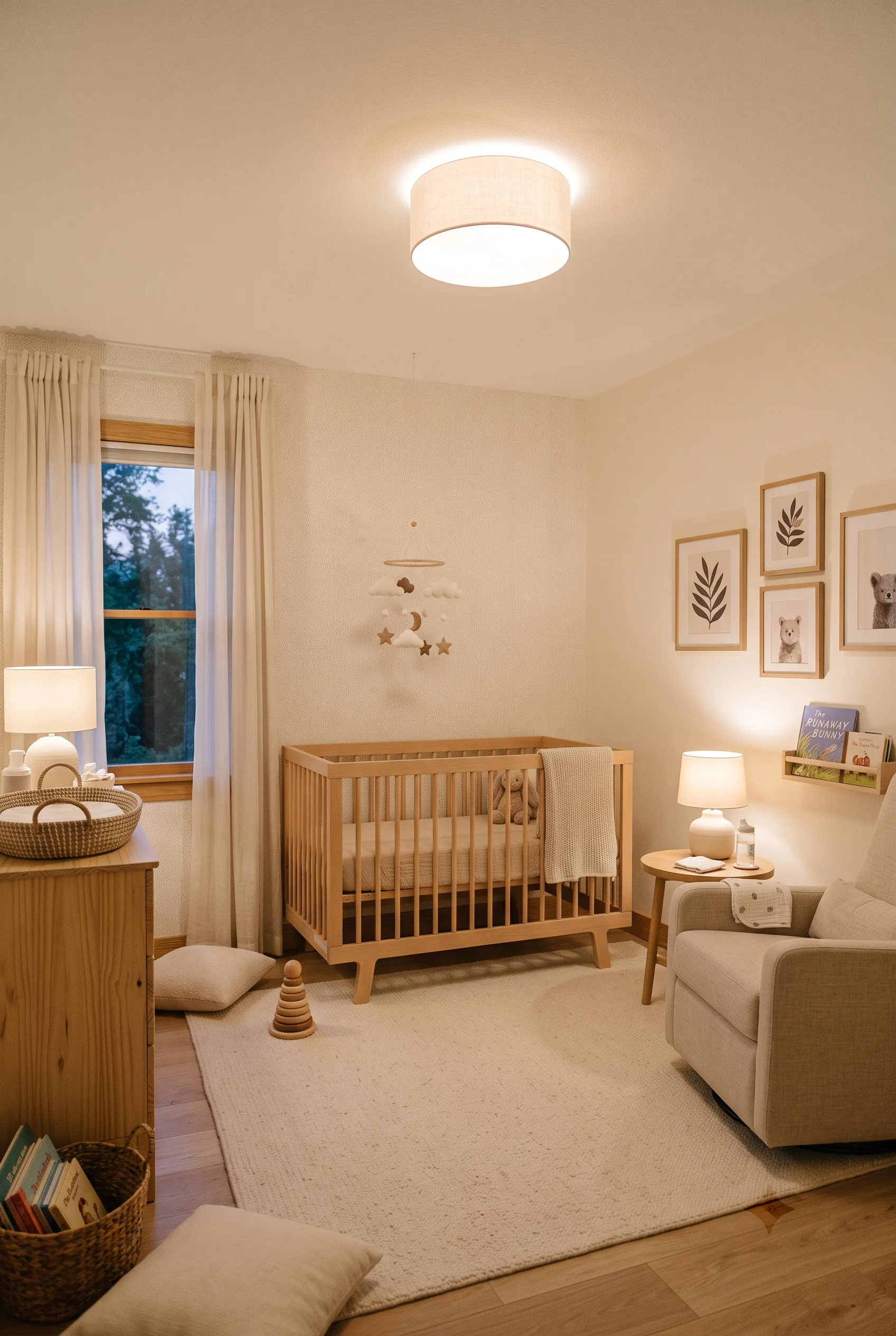
An overhead fixture handles daytime tasks, while a table lamp or wall light softens the room after dark. Warm-toned bulbs are gentler than cool, bright light and sit beautifully beside creamy walls. Shades and diffusers help limit glare near the crib and feeding chair.
Plan electrical placement before settling the furniture layout. Secure cords and keep them out of reach, and position fixtures so they cannot be pulled or knocked over. Multiple light sources give caregivers control without a complicated system. In the evening, a single warm pool of light can make the nursery feel especially peaceful.
A Low Glow for Nighttime Feedings
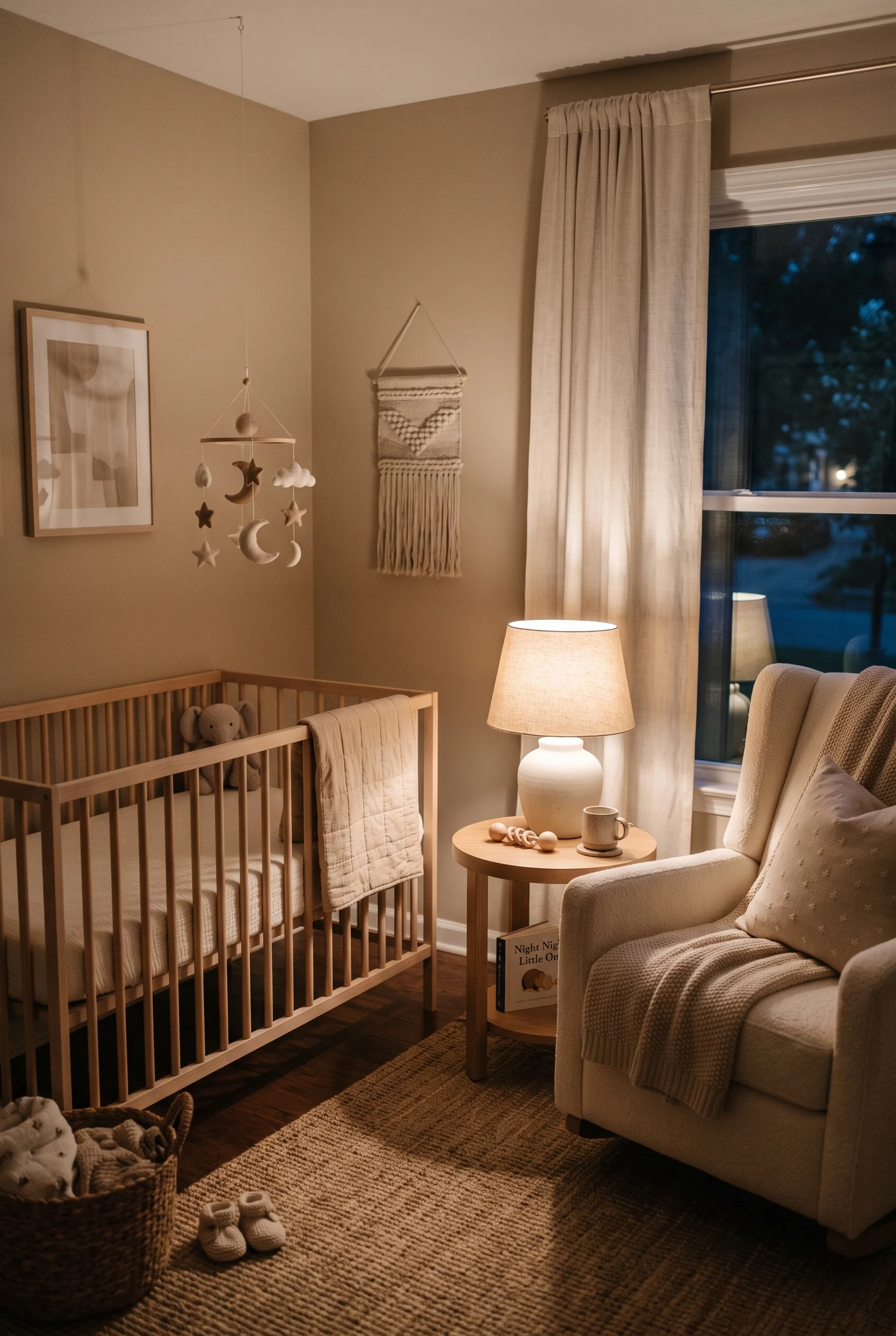
A dimmable lamp beside the chair or changing area provides enough visibility for nighttime care without fully waking the room. The switch should be easy to reach while seated, especially when one arm is occupied. Warm light preserves the sleepy atmosphere far better than a bright ceiling fixture.
Select a stable lamp and position it beyond the child’s reach. Secure the cord close to the furniture or wall, following safety guidance. At the lowest useful setting, the glow should reveal the walkway and essential supplies without lighting every corner. That gentle pool of light becomes part of the nursery’s nighttime rhythm.
A Mobile With Gentle Movement
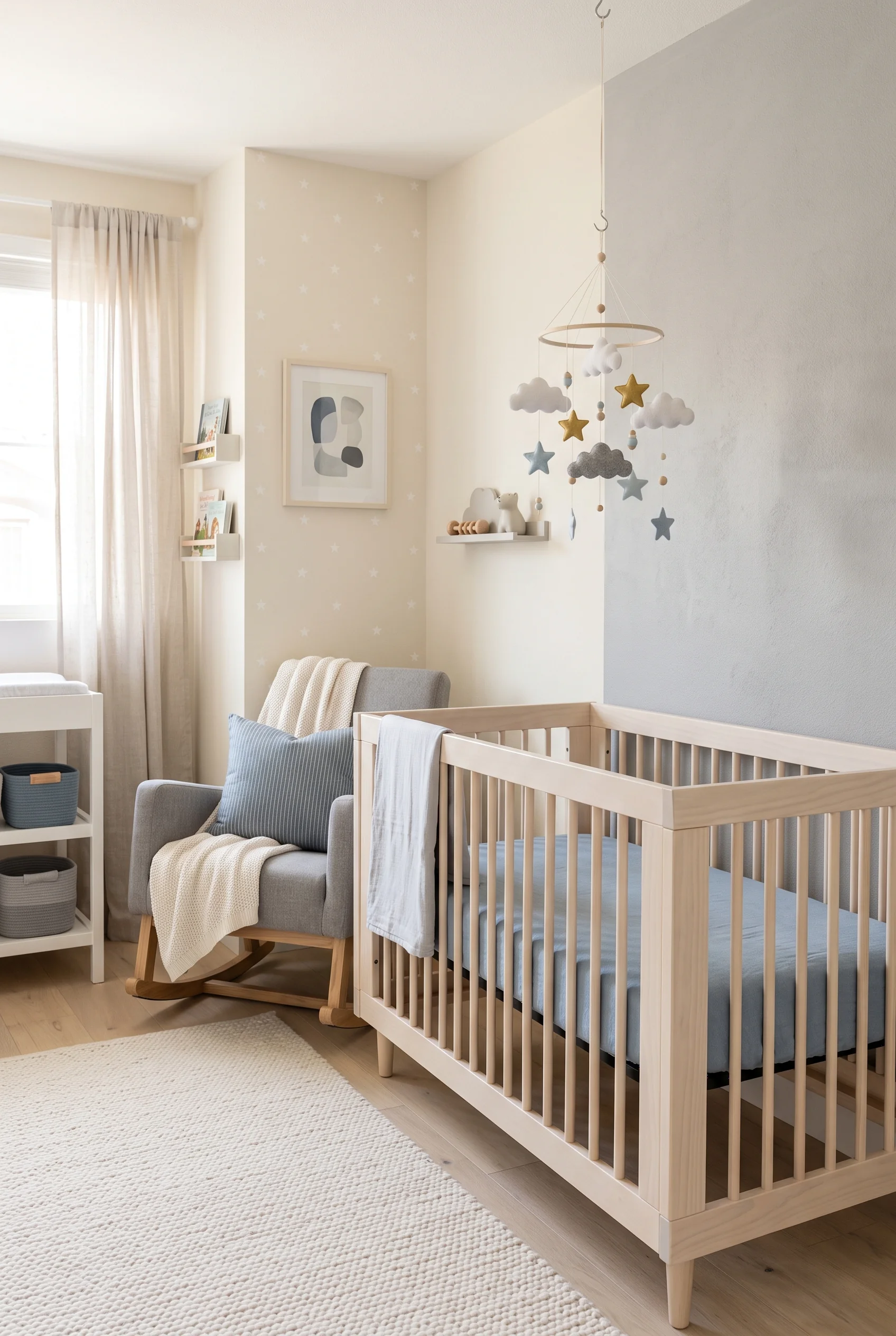
A lightweight mobile introduces a playful focal point through simple shapes and quiet color. Clouds, stars, or abstract forms can complement the palette without turning the sleep zone into a busy display. Gentle movement is enough to make the feature feel special.
Follow current installation and safety guidance, ensuring every component is secure and well outside the baby’s reach. You’ll eventually need to remove or relocate the mobile when the baby can push up, sit, or reach toward it. Until then, it brings a small note of wonder to an otherwise restrained crib area.
Simple Finishing Touches for a Cozy Nursery
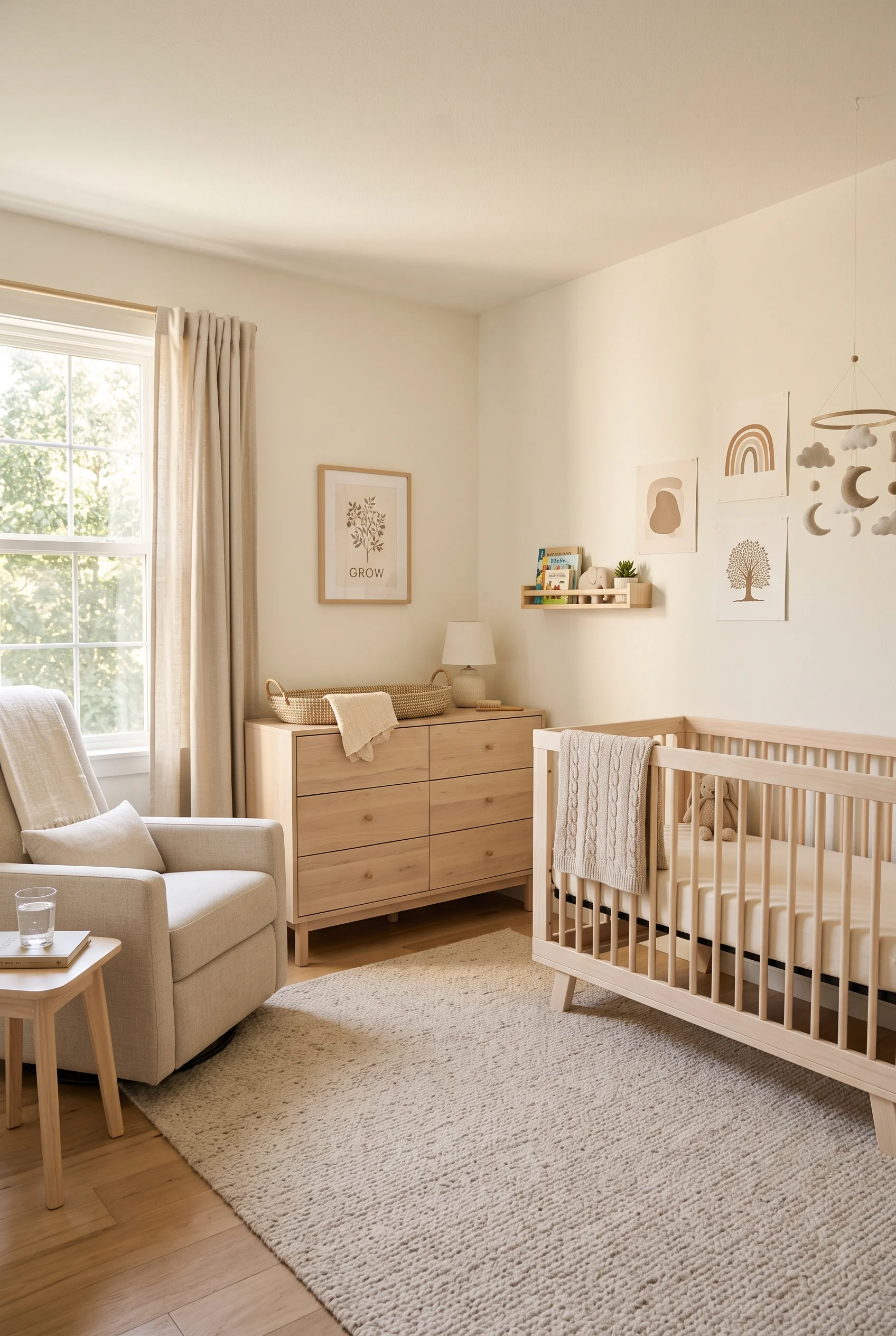
A soft throw on the chair, a small stack of books, and one meaningful object may be all the room needs. Clear surfaces preserve the restful mood and make regular cleaning much easier. Finishing slowly also leaves room to understand what the family will actually use.
Repurposed furniture and decor you already own can keep nursery ideas on a budget and feel personal. Before the room is complete, anchor furniture, secure window treatments, manage cords, and check every walkway. Leave the crib entirely uncluttered. The final impression should feel prepared but never crowded.
Personal Details With Room to Evolve
Personal touches give a nursery emotional warmth, but they have the most impact when they are edited carefully. A small gallery, a name sign, or several keepsakes can tell a family story without filling every surface. Pair those details with adaptable furniture and balanced storage. The room will feel personal during the baby stage while remaining flexible enough for the years ahead.
Wall Art With a Family Connection
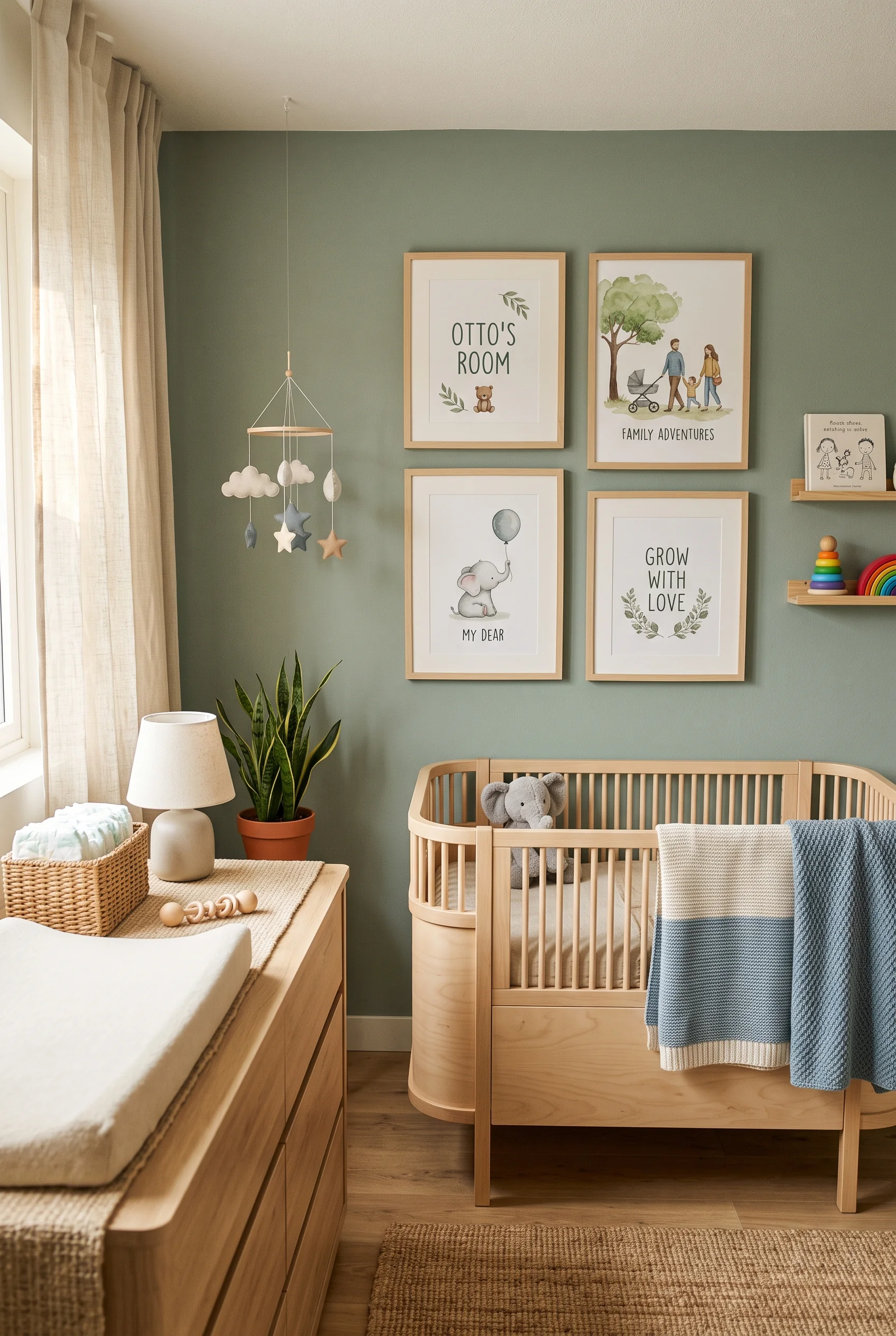
Artwork connected to family, nature, travel, or a favorite story brings meaning to the nursery. Repeat one or two colors from the existing palette so different prints sit comfortably together. Simple frames keep the focus on the images, not the arrangement.
Lightweight frames still require secure mounting appropriate for the wall. Place them away from the crib and changing surface, out of reach of curious hands. A single print can be as personal as a full collection. The strongest choice is often the image that already carries a memory for the family.
A Gallery Contained Above the Dresser
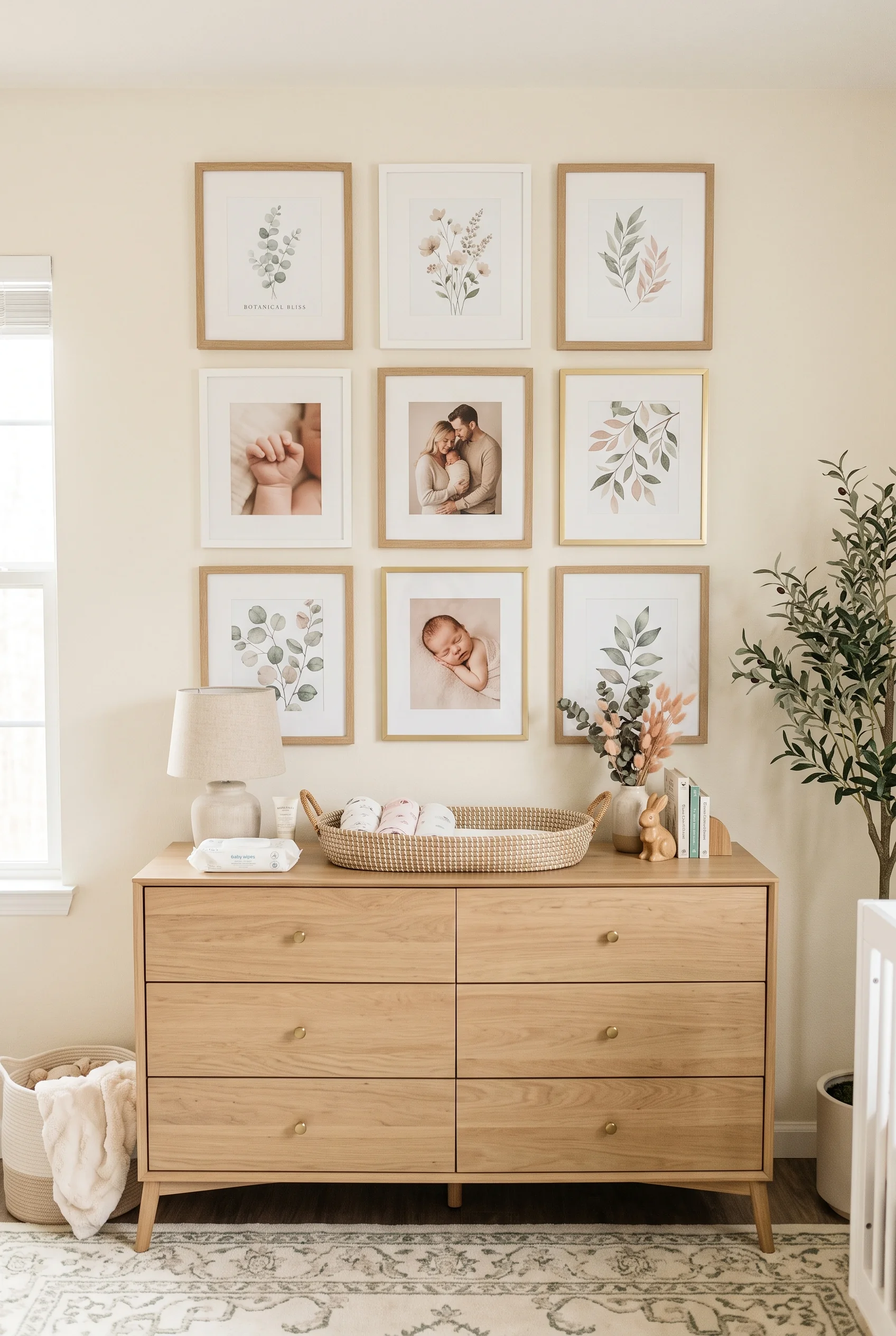
A compact gallery can combine family photographs, botanical art, and one text-based print. Keeping the arrangement within the dresser’s width gives it a clear visual boundary. Matching frames feel streamlined, while coordinated wood and painted finishes offer gentle variation.
Lay every piece on the floor before making holes. Small spacing adjustments are much easier to see from a distance than while standing close to the wall. Once the balance feels right, mount each frame securely and leave the dresser surface mostly clear. The artwork carries the detail without competing with changing supplies.
A Name Sign in a Safer Spot
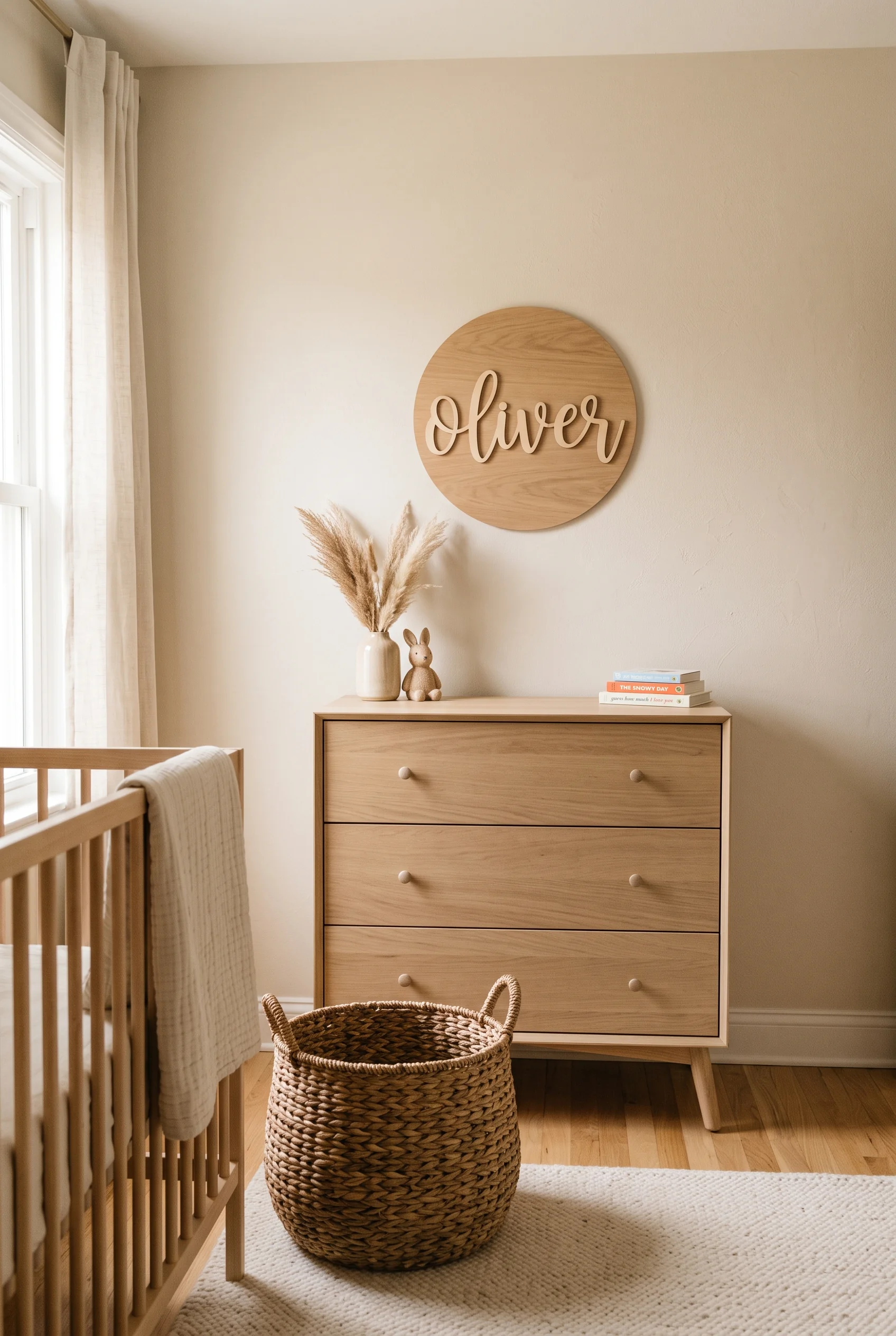
A personalized name sign gives the baby room a simple focal point. Lettering that reflects the room’s palette feels integrated, not overly themed. Natural wood, warm white, or a muted painted finish can sit quietly against the wall.
Instead of positioning the sign directly over the crib, place it above a dresser or on another open wall. Install it securely and avoid loose ribbons, cords, or detachable pieces. Surrounding the sign with empty wall space gives it enough presence on its own. The personal detail feels warm without adding more decoration.
Keepsakes Gathered in One Thoughtful Place
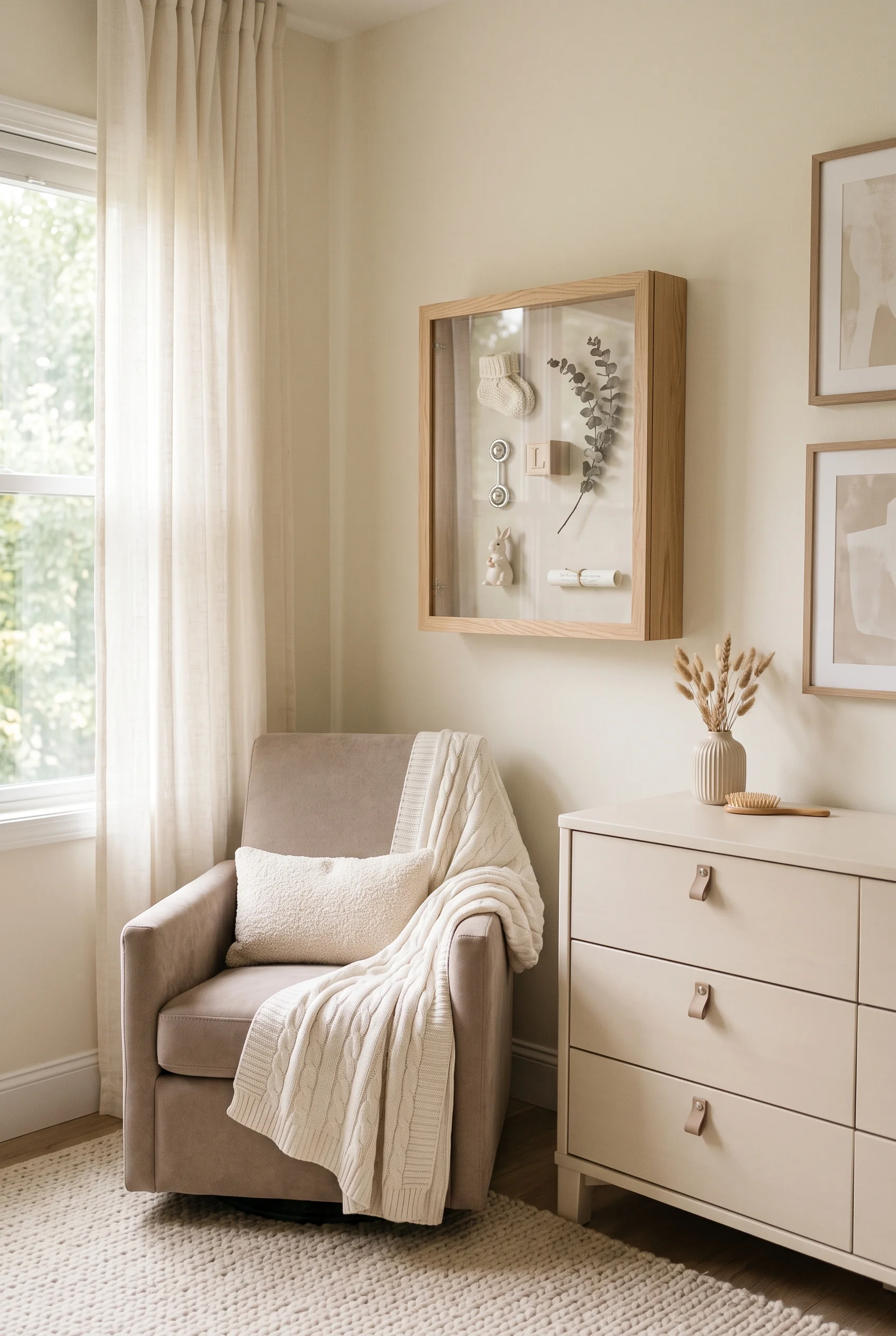
A few carefully selected keepsakes can make the nursery feel deeply personal. Group them in a closed shadow box or on one high, secure shelf rather than scattering them across several surfaces. Keep delicate pieces and anything with small parts enclosed and out of reach.
Store the rest in a labeled memory box. Rotating the display occasionally gives different objects a moment without allowing the collection to overwhelm the room. A hospital bracelet, first photograph, or small family memento often carries more feeling when it has quiet space around it.
Beautiful Storage With Clutter Tucked Away
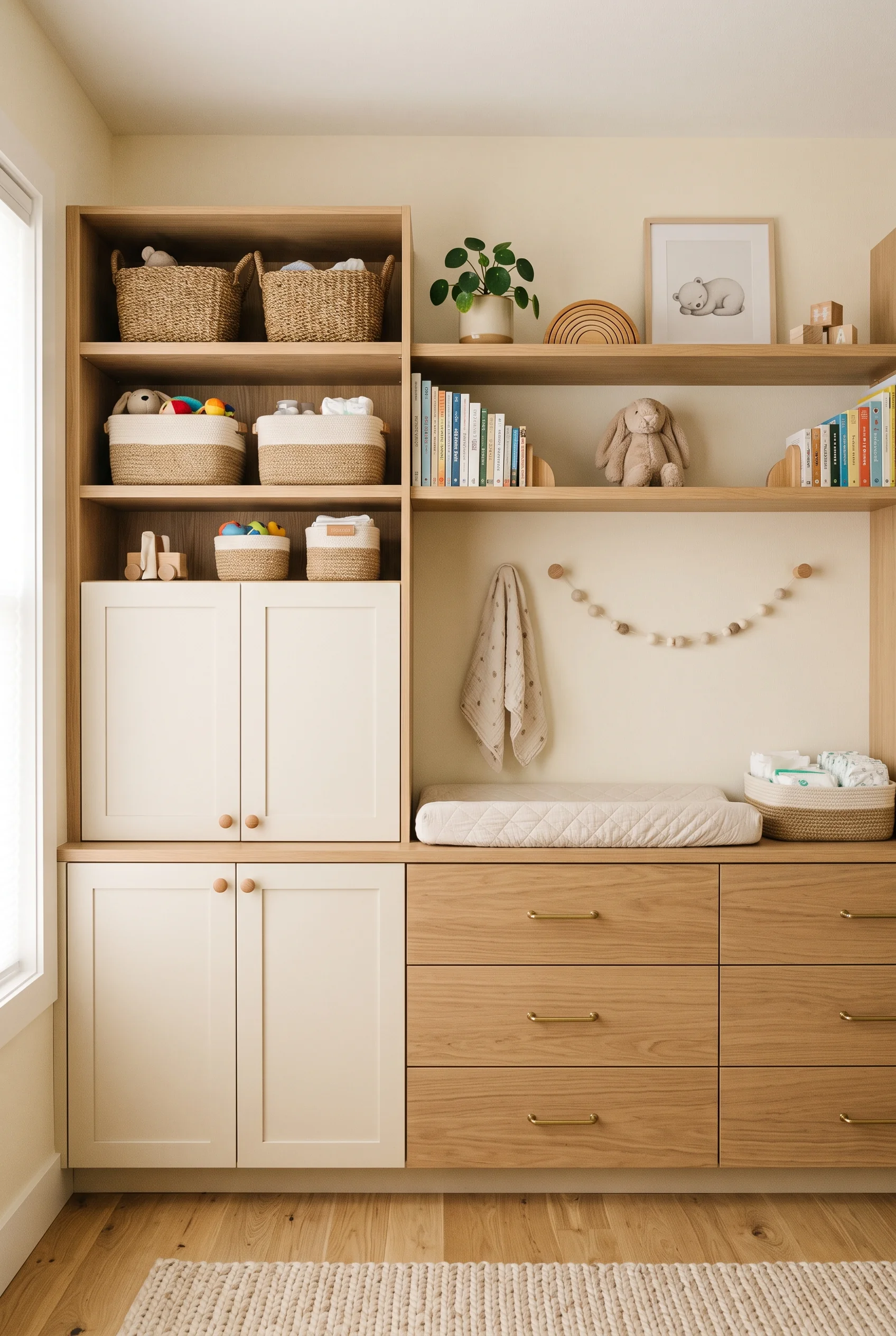
Closed cabinetry handles diaper packages, extra toiletries, and the everyday items that rarely look polished. Open shelving can then hold a few books, coordinated baskets, and one decorative accent. Dividing storage this way keeps useful supplies nearby without putting everything on display.
Matching bins and boxes bring a consistent rhythm to the shelves. Reserve the easiest-to-reach areas for frequent adult use, then edit the display as the baby’s needs change. Storage should become simpler over time, not fuller. A balanced mix of concealed and visible pieces keeps the room functional while preserving a calm view.
Shop this pick: Modular Nursery Storage Cabinet, A modular cabinet combines concealed storage and display space while adapting to changing family needs.
Foundational Pieces That Grow With Your Child
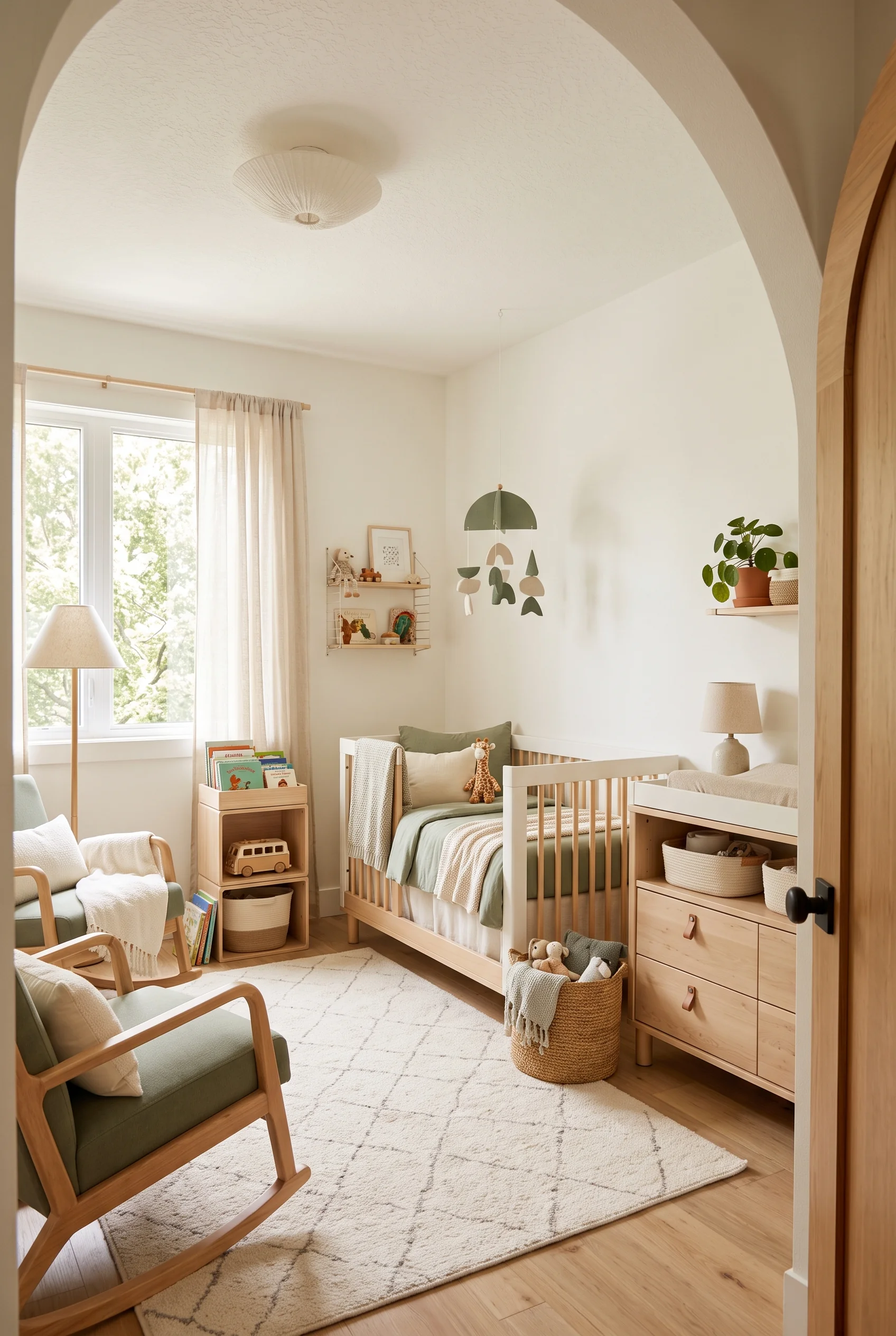
A convertible crib, durable dresser, and modular storage unit can remain useful long after the newborn stage. Keeping the main palette flexible lets you update through art, bedding, and smaller accessories rather than an entirely new room.
Leave enough space for a book corner, toy baskets, or a toddler bed as routines shift. You can balance investing in foundational furniture with budget-friendly, removable decor for the baby years. The nursery will change, but its most hardworking pieces do not need to. That flexibility gives the room a calm sense of permanence.
A Baby Room Designed for Real Family Life
A nursery can feel beautiful long before you style every shelf or fill every blank wall. The most important choices are often the quiet ones. A clear crib supports safe sleep, a comfortable chair makes feeding easier, and supplies stored near where you need them simplify moments when everyone is tired.
Begin with the room you have rather than the room you imagine you need. A compact dresser may be more valuable than a separate changing table. One warm lamp may transform the nighttime atmosphere more than several decorative accessories. In a small room, leaving open floor space can be every bit as intentional as filling it.
Your favorite nursery ideas should also reflect your family’s style. Soft colors, meaningful artwork, and natural textures can make the baby room feel personal without requiring a large budget. Choose one idea that solves an immediate need, then allow the rest of the room to develop gradually.
A nursery does not need to be expensive, oversized, or perfectly finished before the baby arrives. It needs to support safe sleep, comfortable caregiving, and simple organization. When those essentials are in place, even a few thoughtful details can make the room feel warm, settled, and ready for the new rhythm of family life.