31 Home Organization Ideas to Make Every Room Feel Less Cluttered
Most clutter has a simple cause, and the best home organization ideas start right there: things pile up wherever they have no home. Remotes end up in the sofa cushions, mail lands on the counter, and lids slide to the back of a cabinet, never to be seen again.
A calm home environment rarely comes from owning less. It comes from giving everyday items a spot that is easy to reach and just as easy to return to. That holds true whether you are wrangling a playroom full of toys or a kids’ bedroom that refills itself overnight.
The list below moves room by room. It starts in the living room and entry, spends real time in the kitchen and pantry, then finishes in the bathroom, bedroom, and home office. Every idea uses storage that works in real homes and rentals, and many need no drilling at all. None of them ask you to start over.
They also sit comfortably alongside a warm, modern organic look, because the goal is a home that feels lived in rather than staged. Pick one room, try one idea, and notice how much lighter the day feels.
DISCLOSURE: Some of the links provided on this page are affiliate links. This means if you choose to make a purchase through these links, we may receive a small commission at no extra cost to you.
A Living Room Where Everything Has a Landing Spot
Living rooms collect the most random mix of things in the house. Chargers, blankets, and mugs all compete for the same few surfaces, and homework joins them by evening.
The fix is rarely more furniture. It is furniture that quietly holds more, plus a few edits that keep the room from tipping back into chaos. These six room organization tips start with the pieces you already sit beside every night.
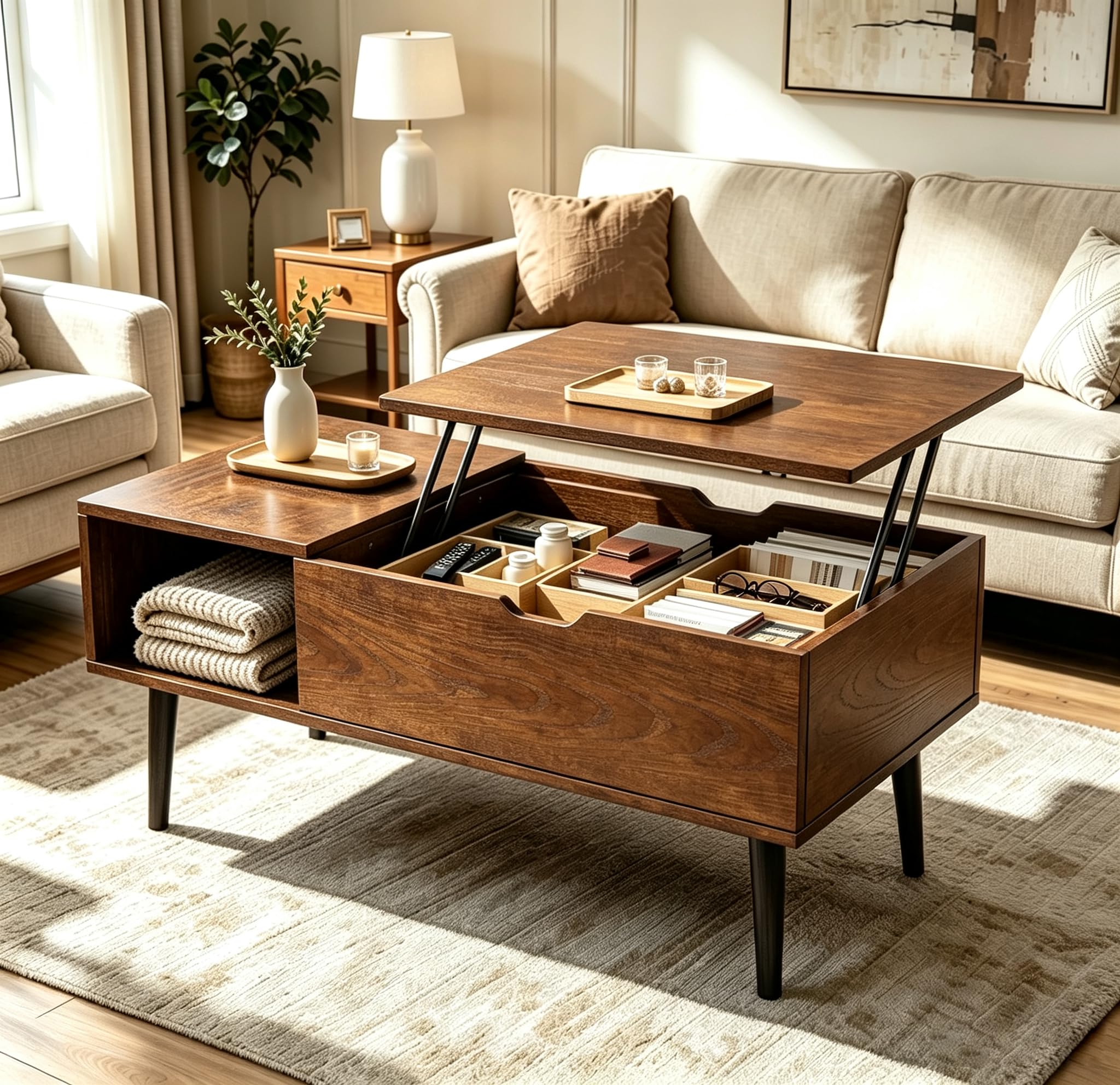
Home Organization Ideas Start With a Coffee Table That Opens
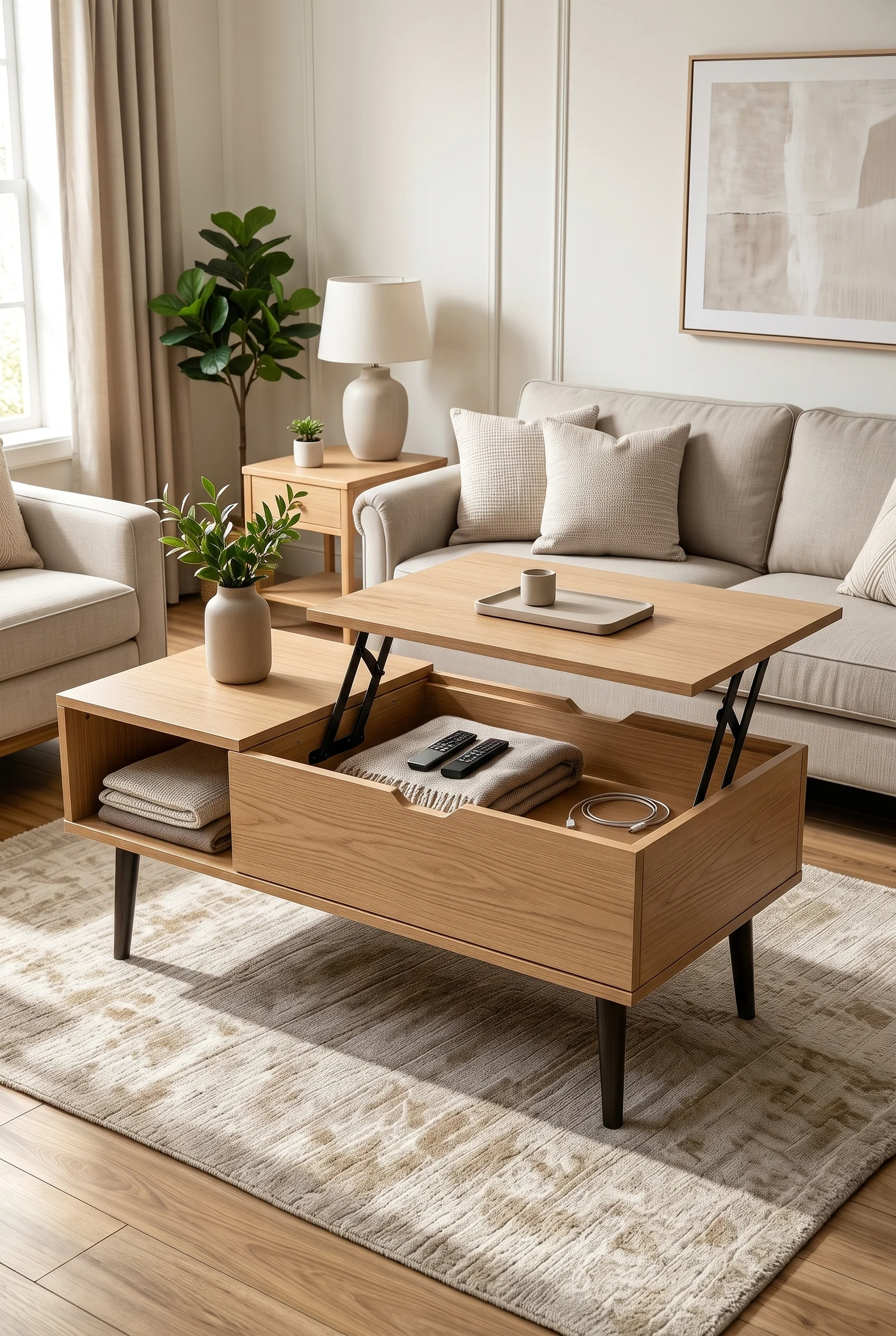
A lift-top coffee table does two jobs at once. Under the top sits a hidden compartment for remotes, chargers, and the throw that usually ends up on the floor. Close it, and the surface reads clean in seconds.
The lifting top matters as much as the storage. It rises to laptop height, so answering emails or eating takeout on the sofa no longer means hunching over your knees.
Keep only a tray and one small piece on top. Everything else goes inside, which turns the nightly reset into a ten-second job instead of a ten-minute one.
A Behind-the-Sofa Console That Keeps Cords Off the Floor
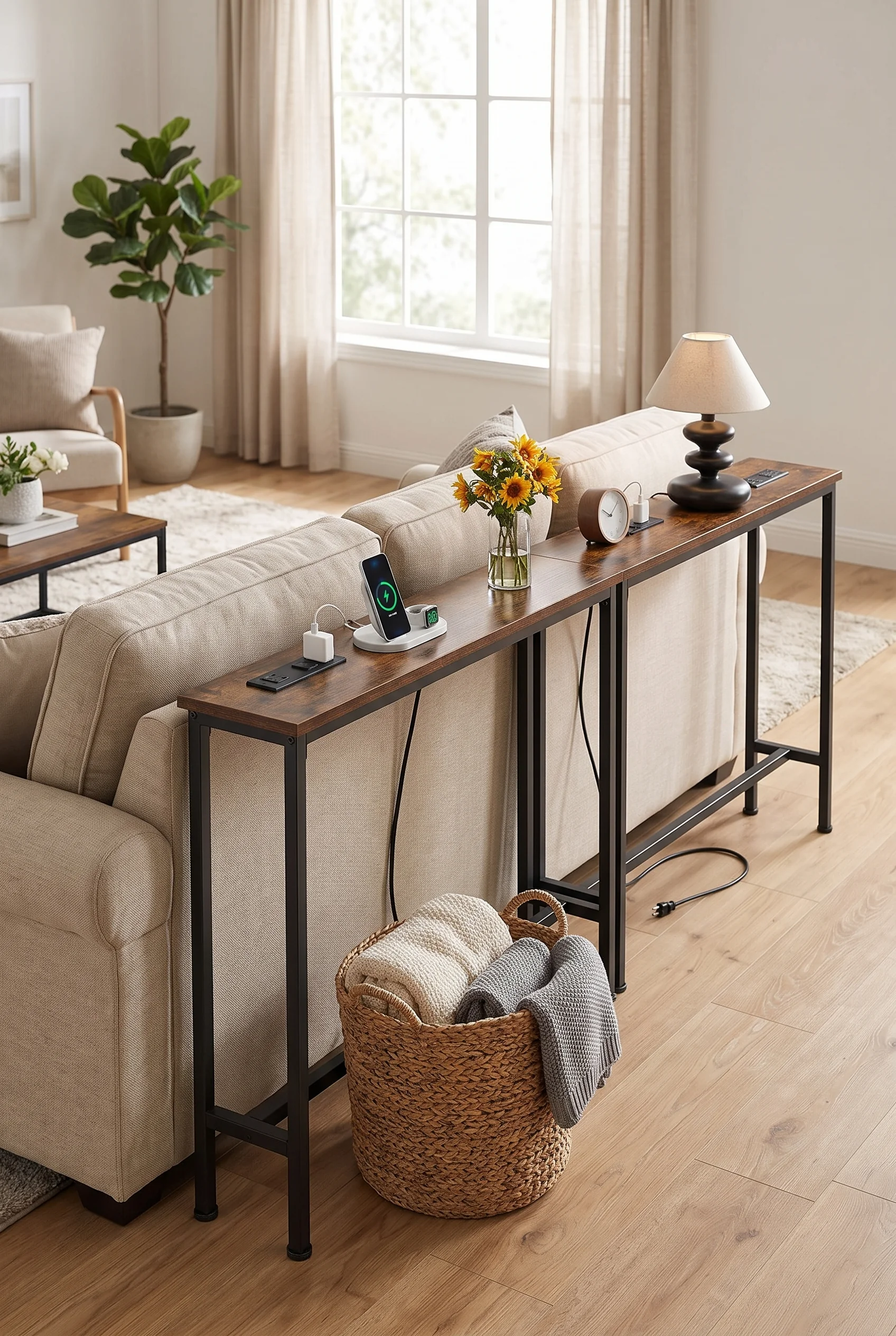
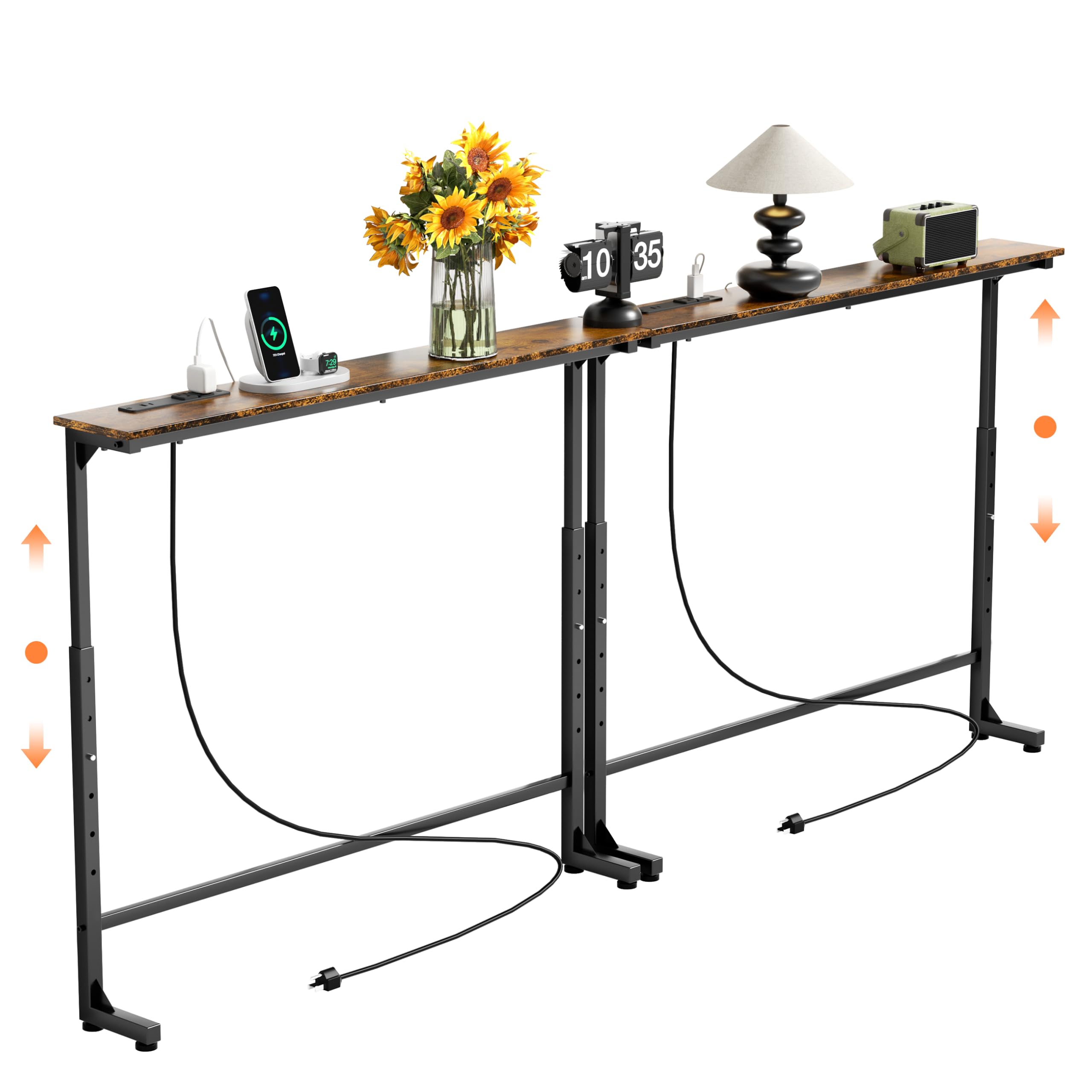
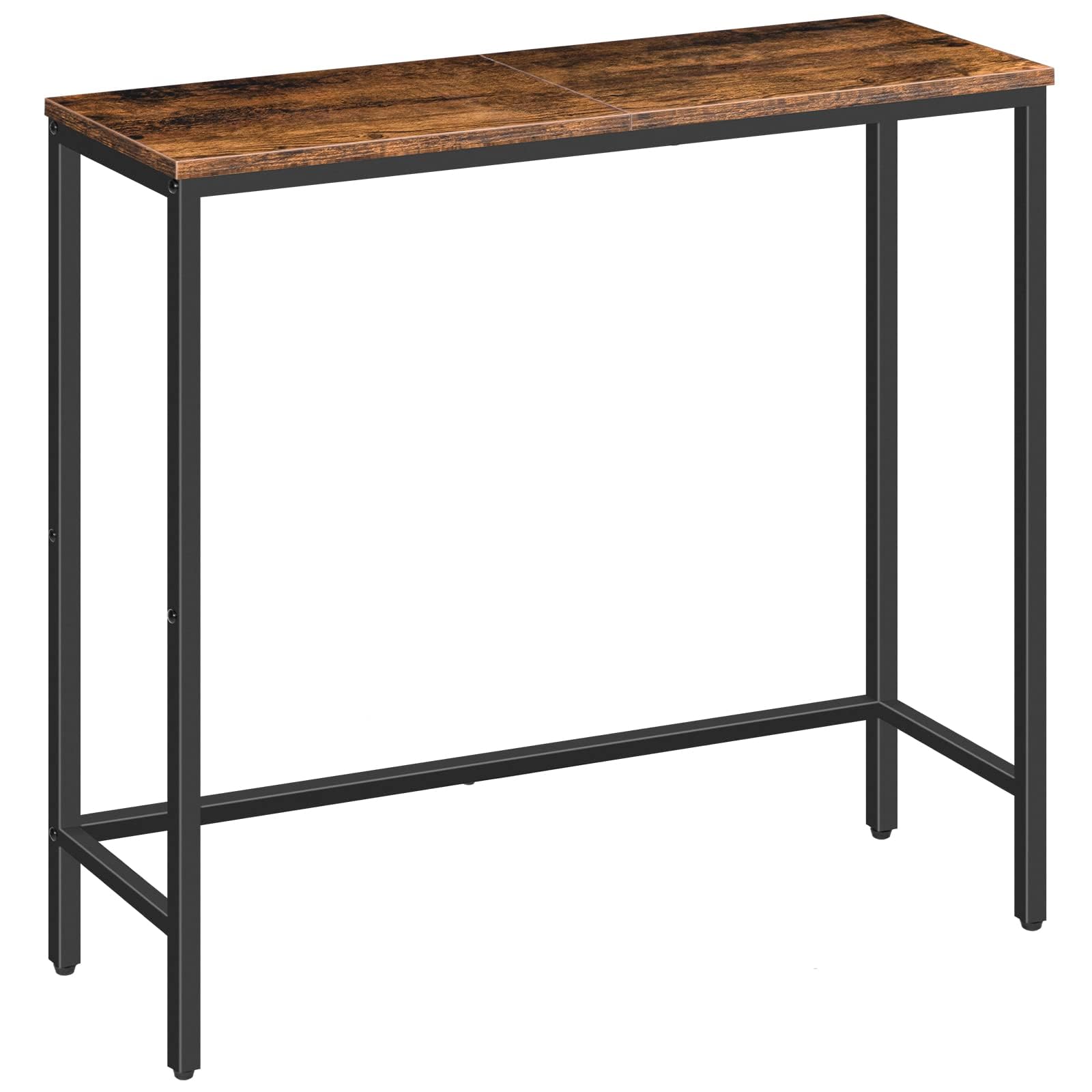
Phones always seem to die at the far end of the sofa. A narrow console behind the couch solves that with built-in outlets and USB ports at shoulder height, so cords stay on one surface instead of snaking across the rug.
The table also pulls drinks and a reading lamp off the coffee table. The center of the room stays open for board games and tired feet.
Measure the gap behind your sofa before buying, since most of these tables run only about eight inches deep. A lower shelf is the natural home for a basket of throws, so blankets have somewhere to go once movie night wraps up.

A Side Table That Slides Right Over Your Lap
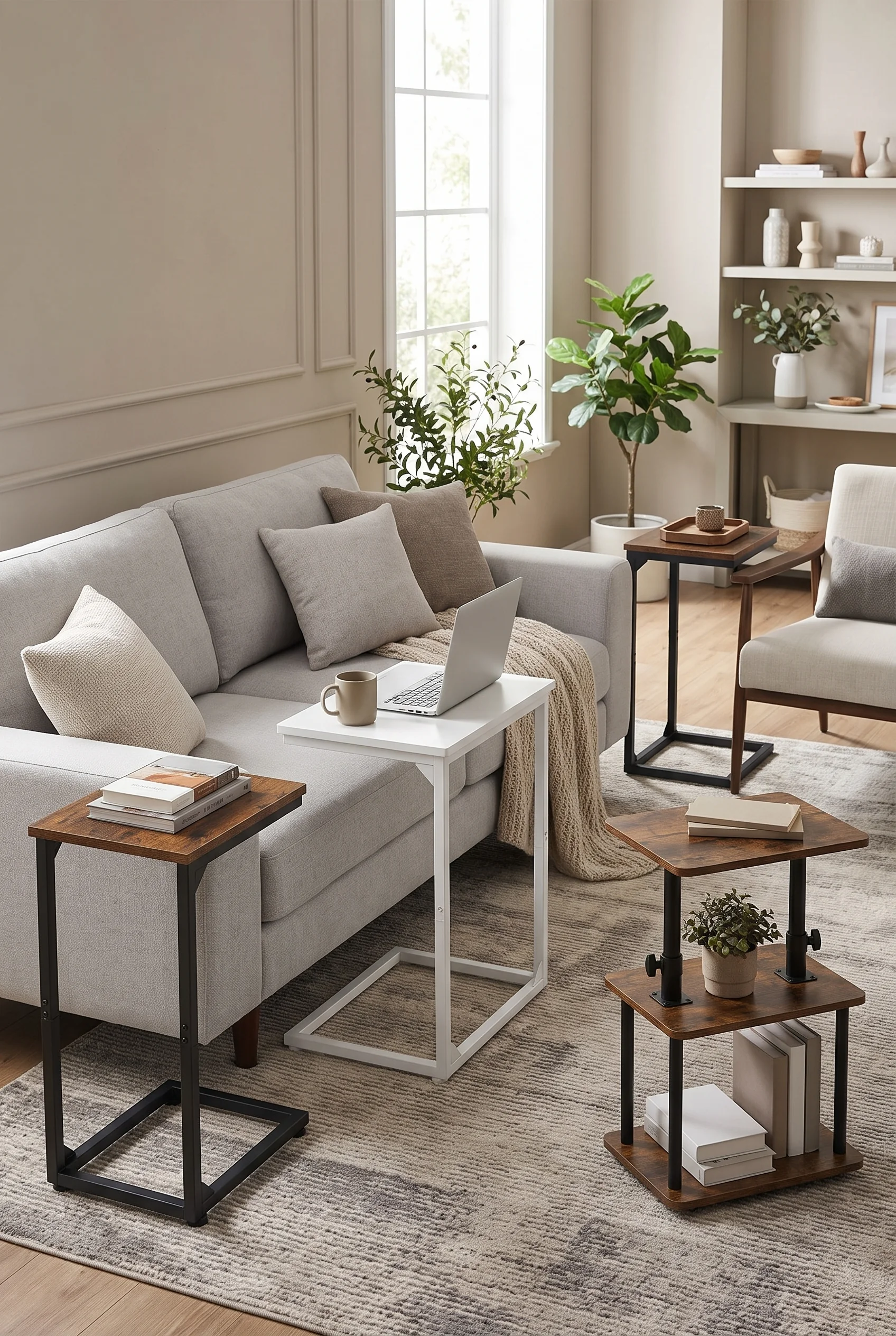
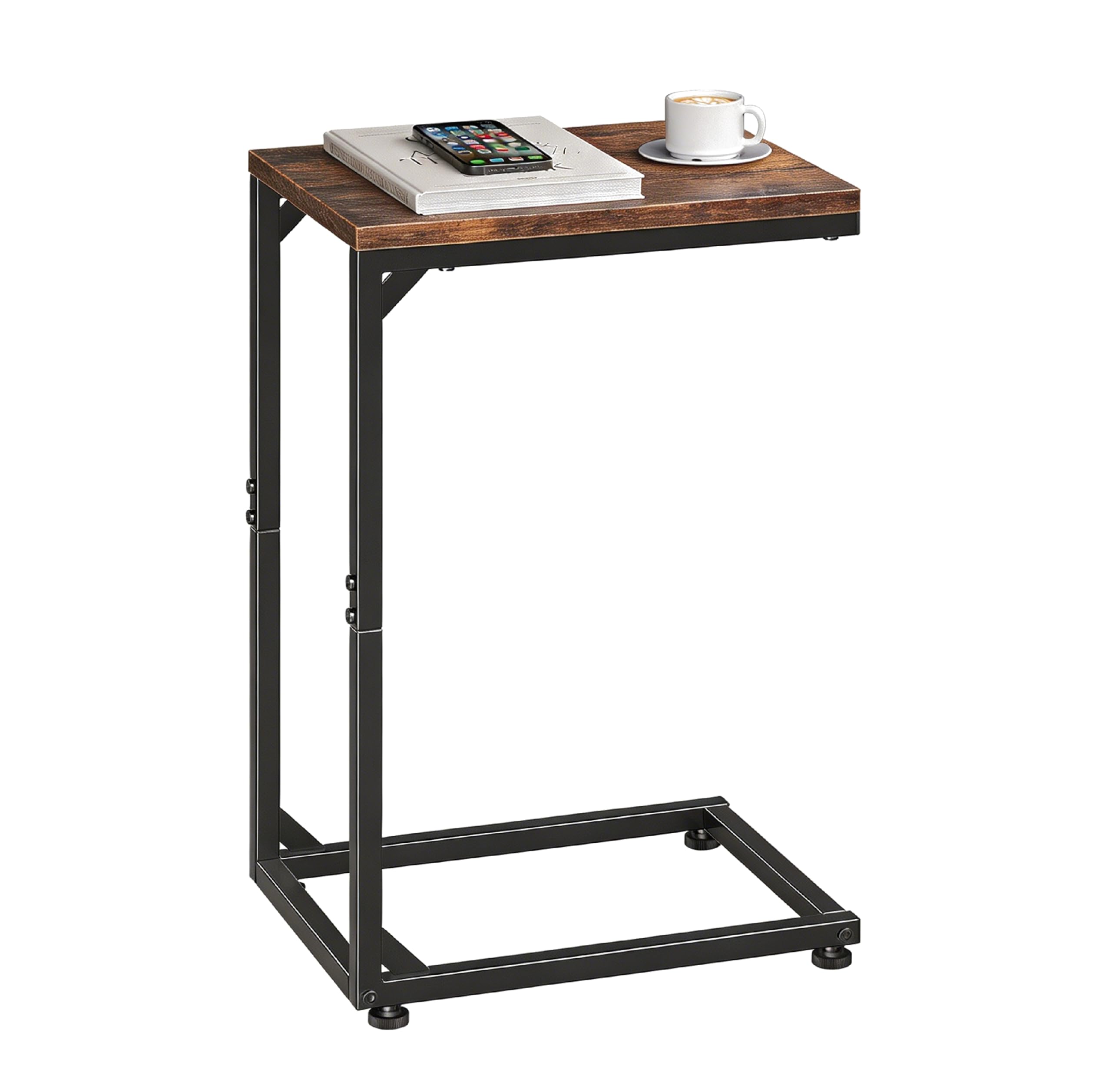
Small living rooms rarely have floor space for a proper end table. A C-shaped table borrows space instead. Its base slides under the sofa, and the top hovers right over the cushion.
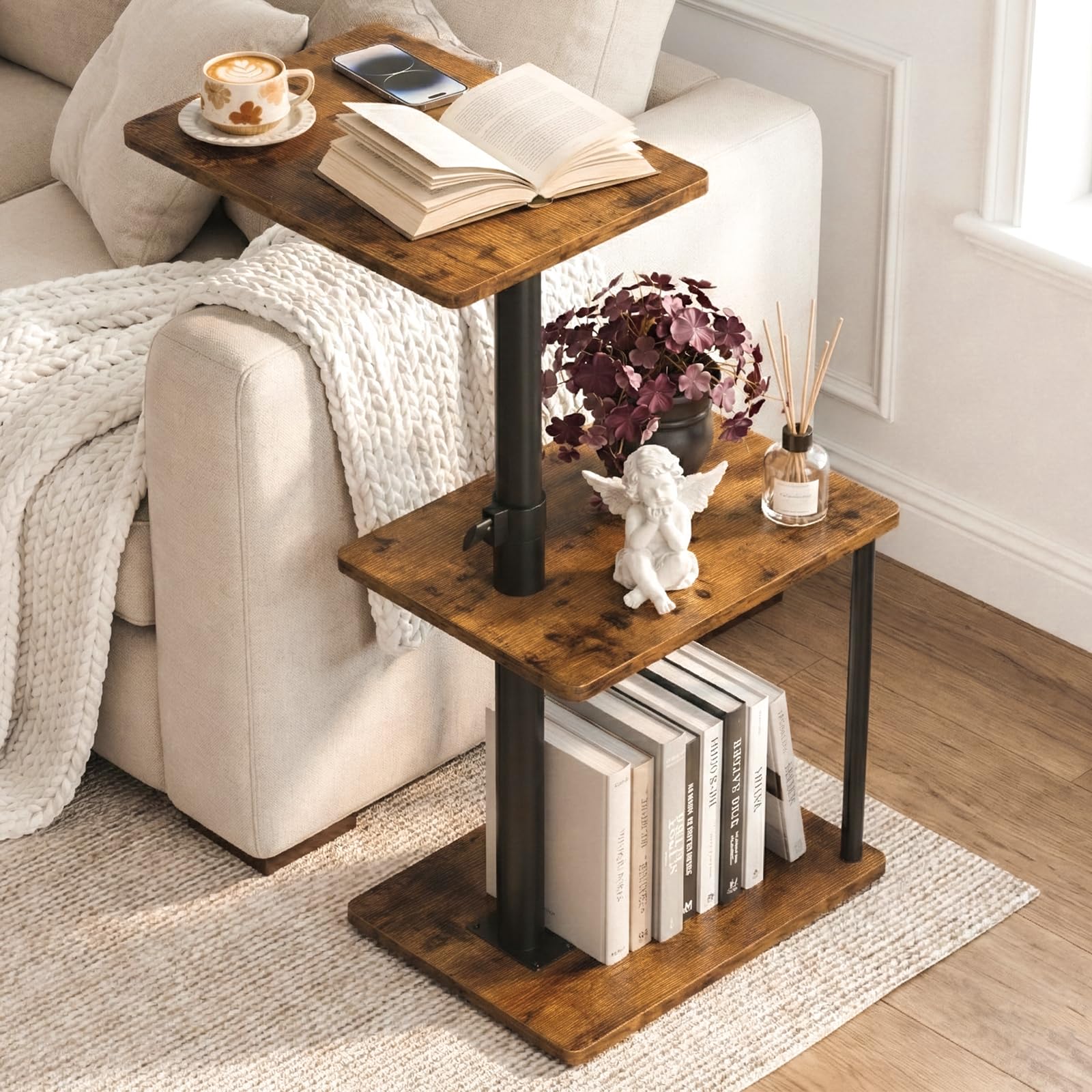
It becomes the spot for a laptop during a work-from-the-couch afternoon, or a mug that would otherwise wobble on the armrest. Some versions swivel or adjust in height, which helps when you share the sofa with taller family members.
When guests arrive, it tucks against a wall or beside a chair. Light enough to move with one hand, it becomes the most used surface in the house.

Light and Shelving in One Slim Footprint
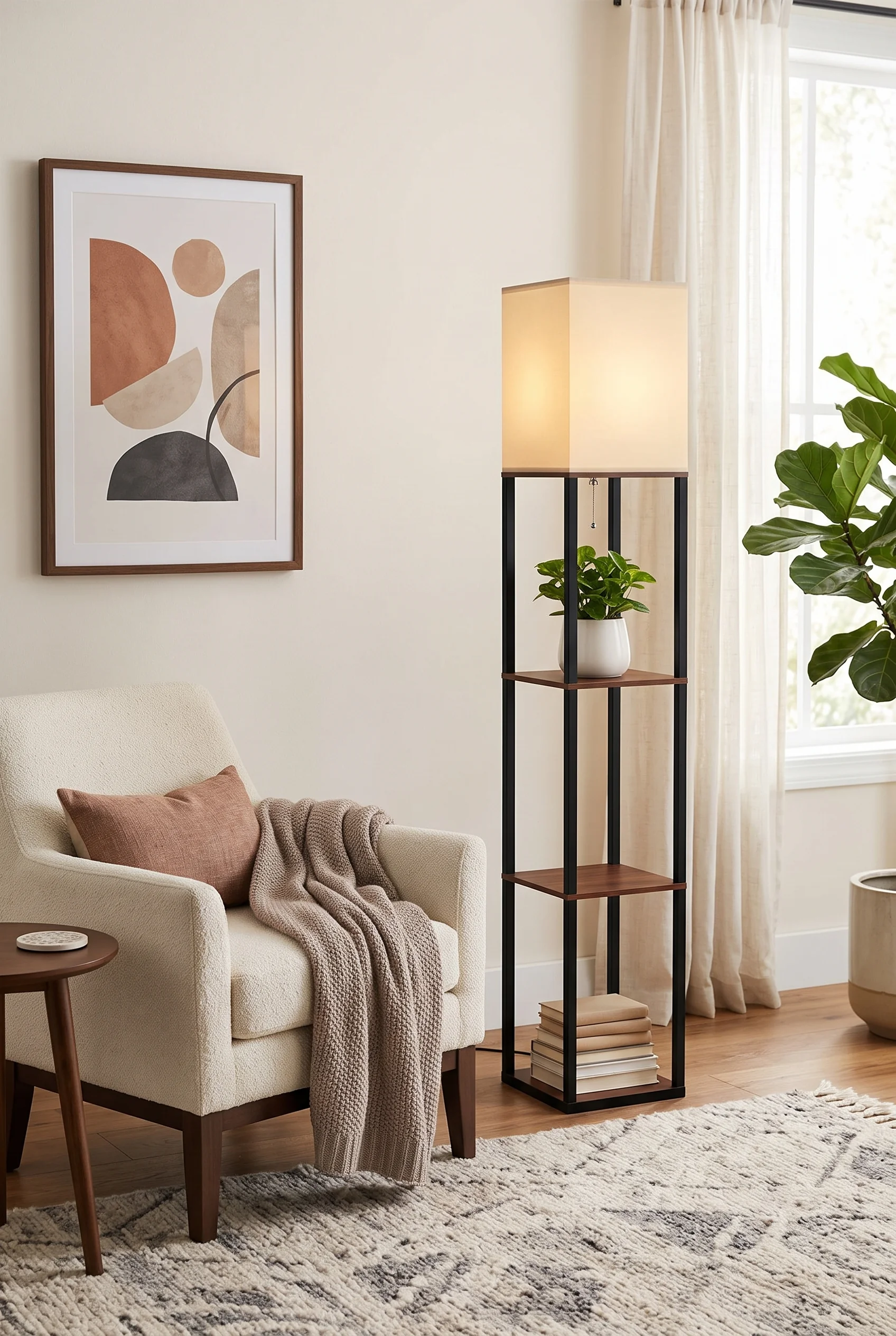
Corners tend to collect a lamp, a side table, and a pile of books that never quite fit anywhere. A floor lamp with built-in shelves folds all three into one narrow footprint.
A short stack of books and one small plant is plenty for those shelves. Crowd them, and the lamp starts to look like overflow storage rather than a deliberate choice.
A model with adjustable color temperature earns its keep here. Warm light in the evening makes a reading corner feel calm, while brighter light helps on gray afternoons when the kids are spread out with puzzles on the floor.


Fewer Pillows, a Calmer Sofa
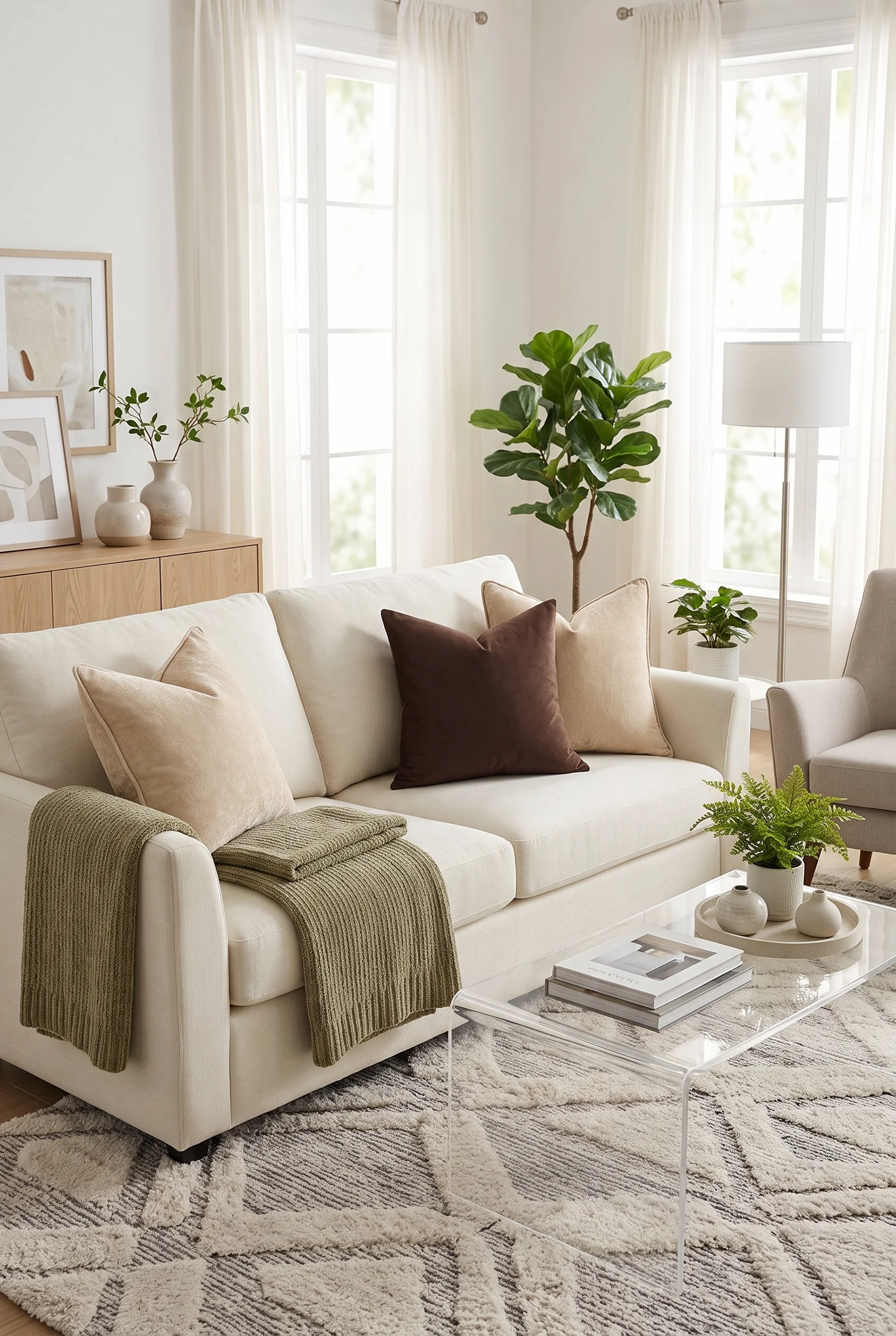
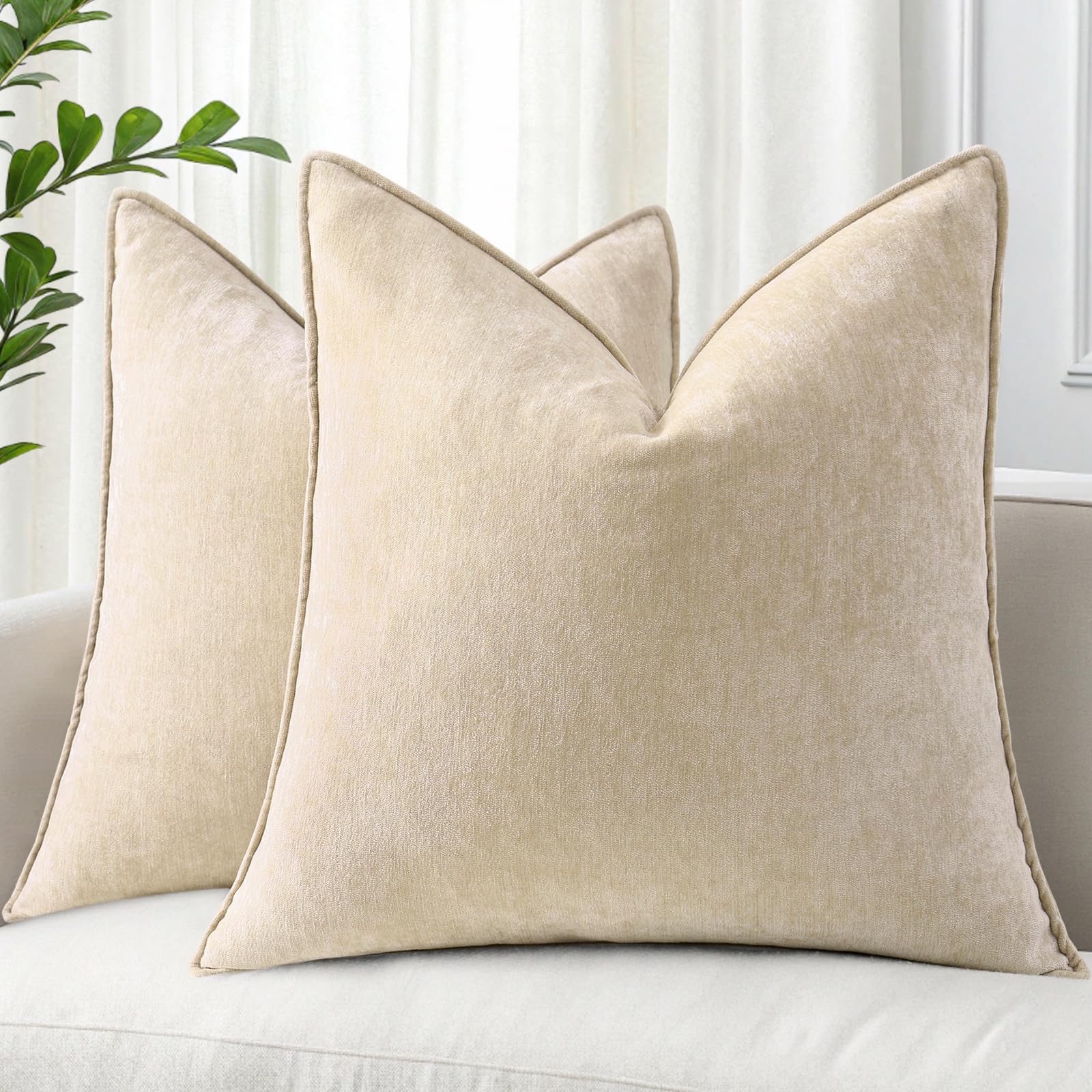
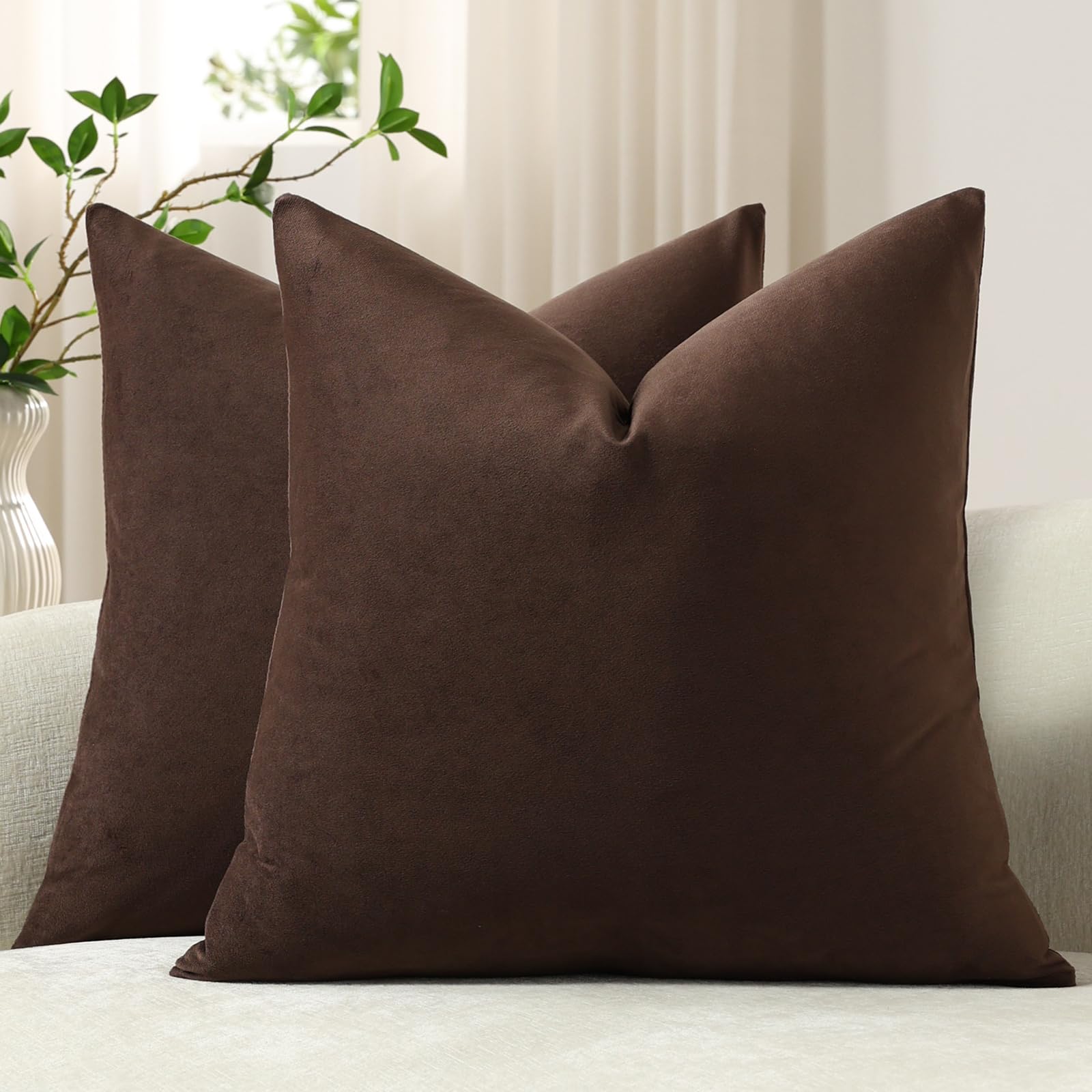
Throw pillows multiply over time. One season there are three, and by the next there are eight piled so high nobody can actually sit down. Two to four look intentional. Anything beyond that starts reading as clutter.
Good inserts do more work than extra pillows. A full, plump insert keeps a cover crisp, so fewer inserts still look generous and inviting.
When the seasons change, swap the covers instead of the pillows. Covers fold flat into a single drawer, so a fresh look for fall takes a few minutes and almost no storage space.

A Washable Rug That Draws the Room’s Boundaries
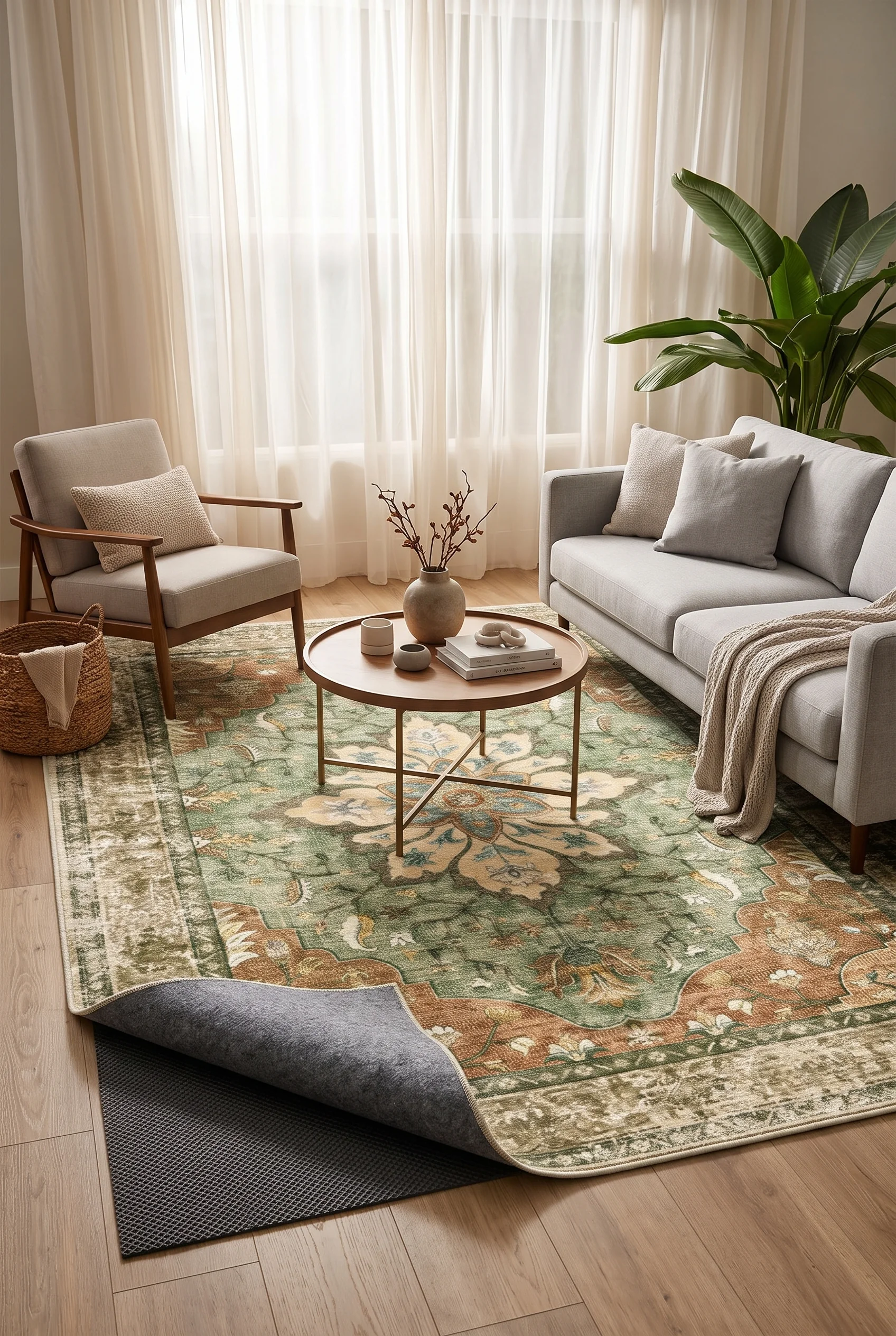
A rug tells everyone where the living area begins and ends. In an open floor plan, that edge keeps the seating zone from bleeding into the dining table or the toy corner.
Washable rugs earn their place in a house with kids and pets. Juice spills and muddy paws go into the washing machine rather than becoming a weekend project.
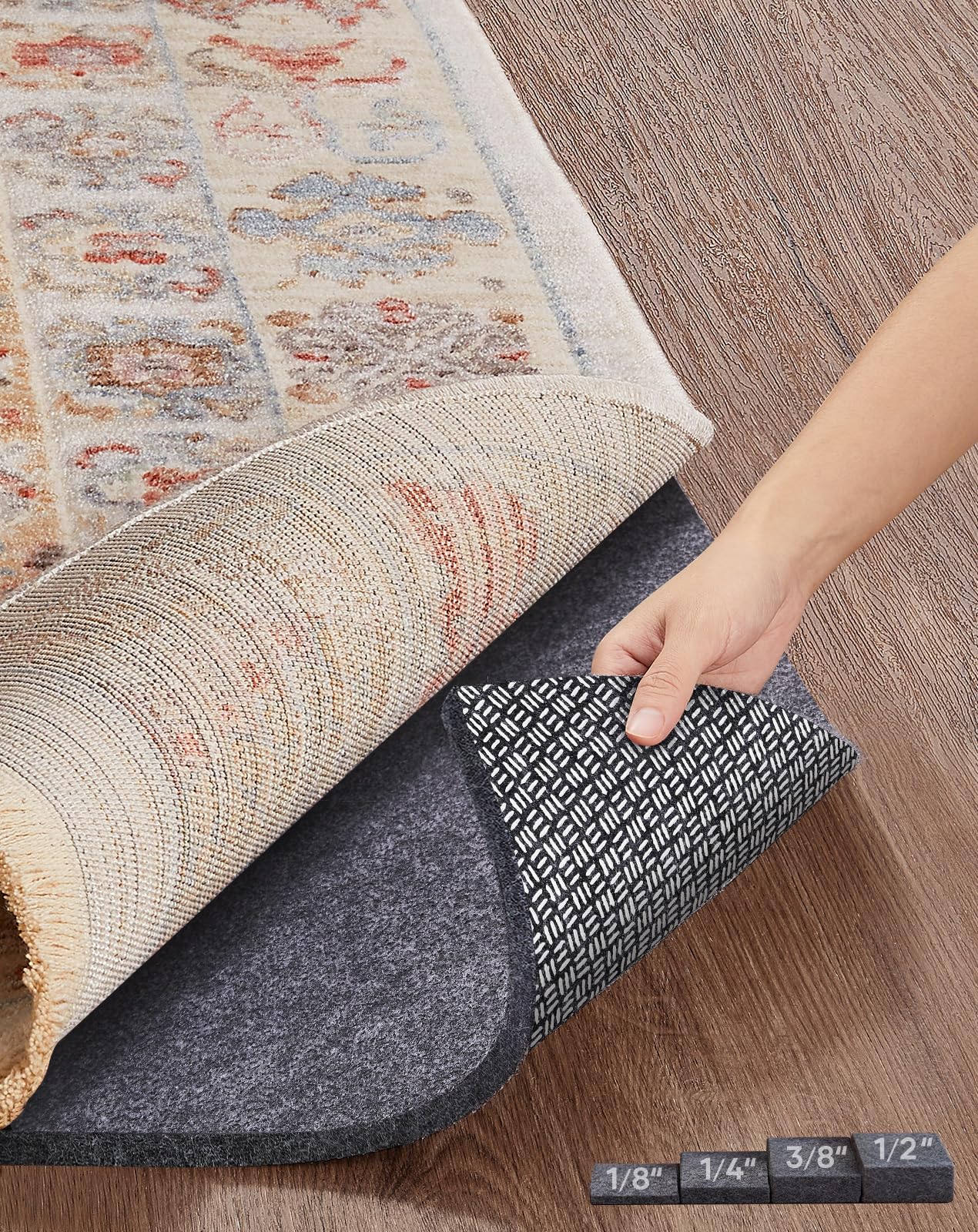
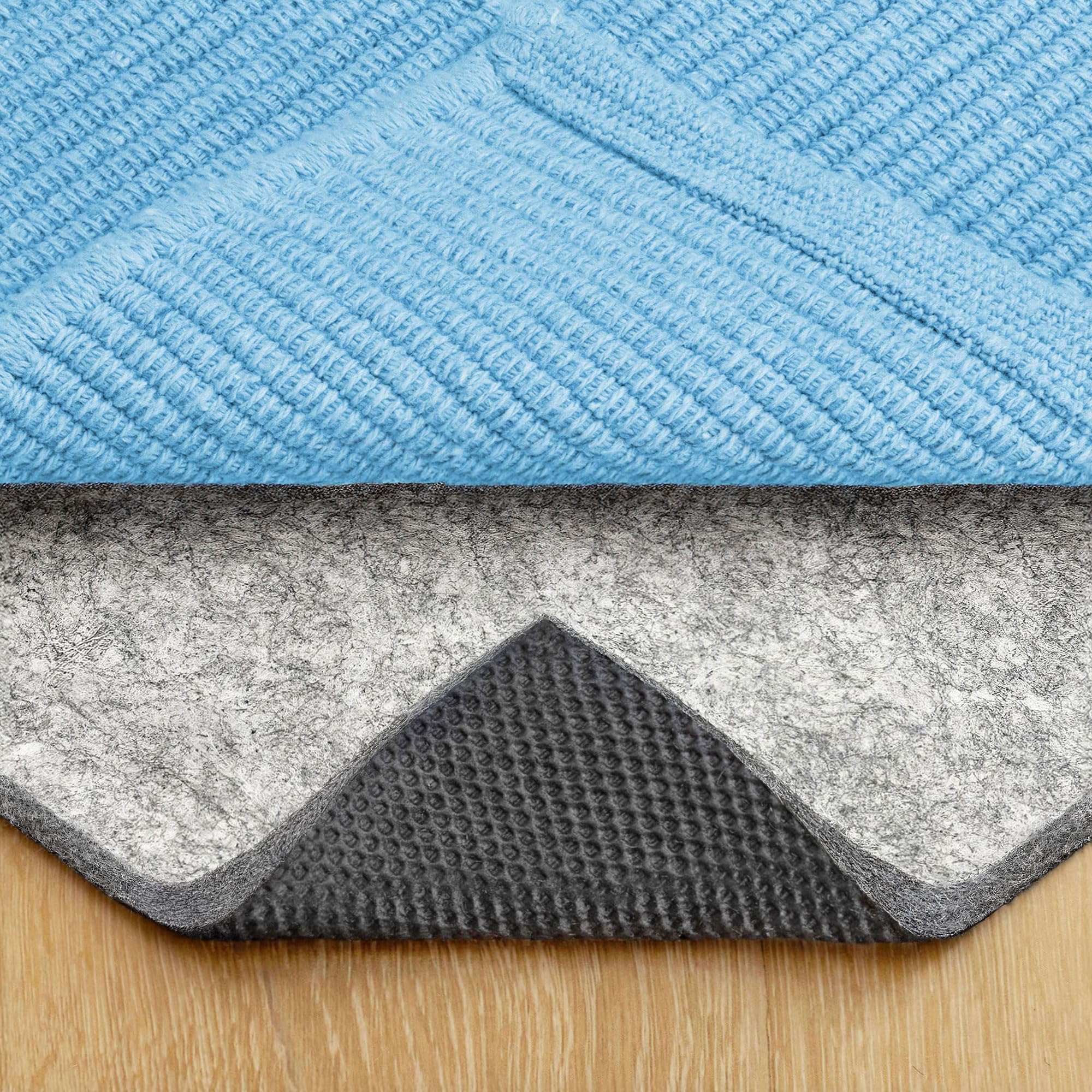
A non-slip pad underneath keeps the corners flat and stops the rug from creeping every time someone flops onto the sofa. It adds a little cushion too, so the floor feels softer for the kids who play down there.

Entry and Closet Doors That Pull Their Weight
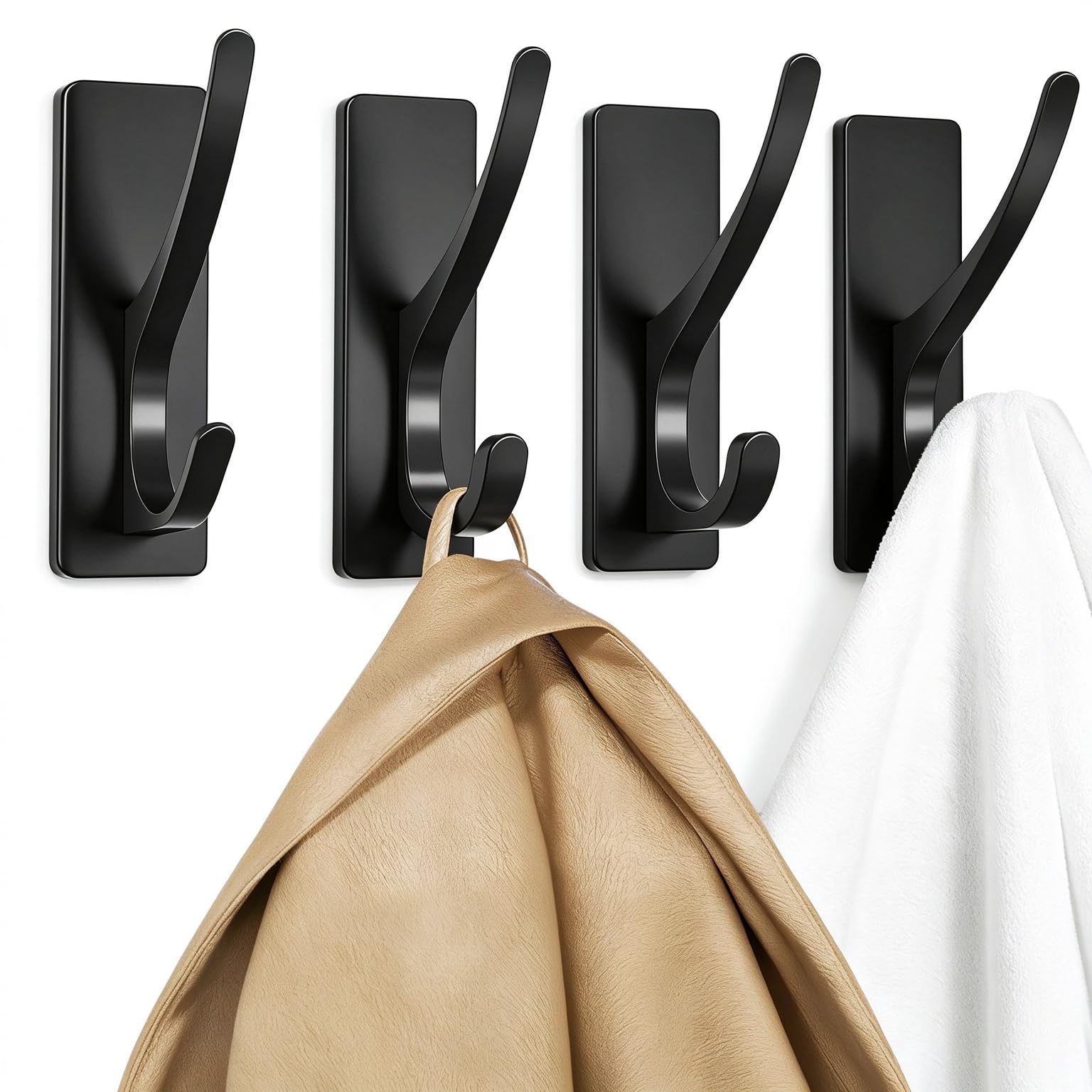
The front door and the closet door get opened dozens of times a day, yet most of their surface does nothing. A few hooks or one hanging organizer turns that unused vertical space into real storage. Both ideas skip the drill, so they work just as well in a rental. They also catch things at the exact moment you are holding them, which is how clutter stops forming in the first place.
One Hook per Person by the Front Door
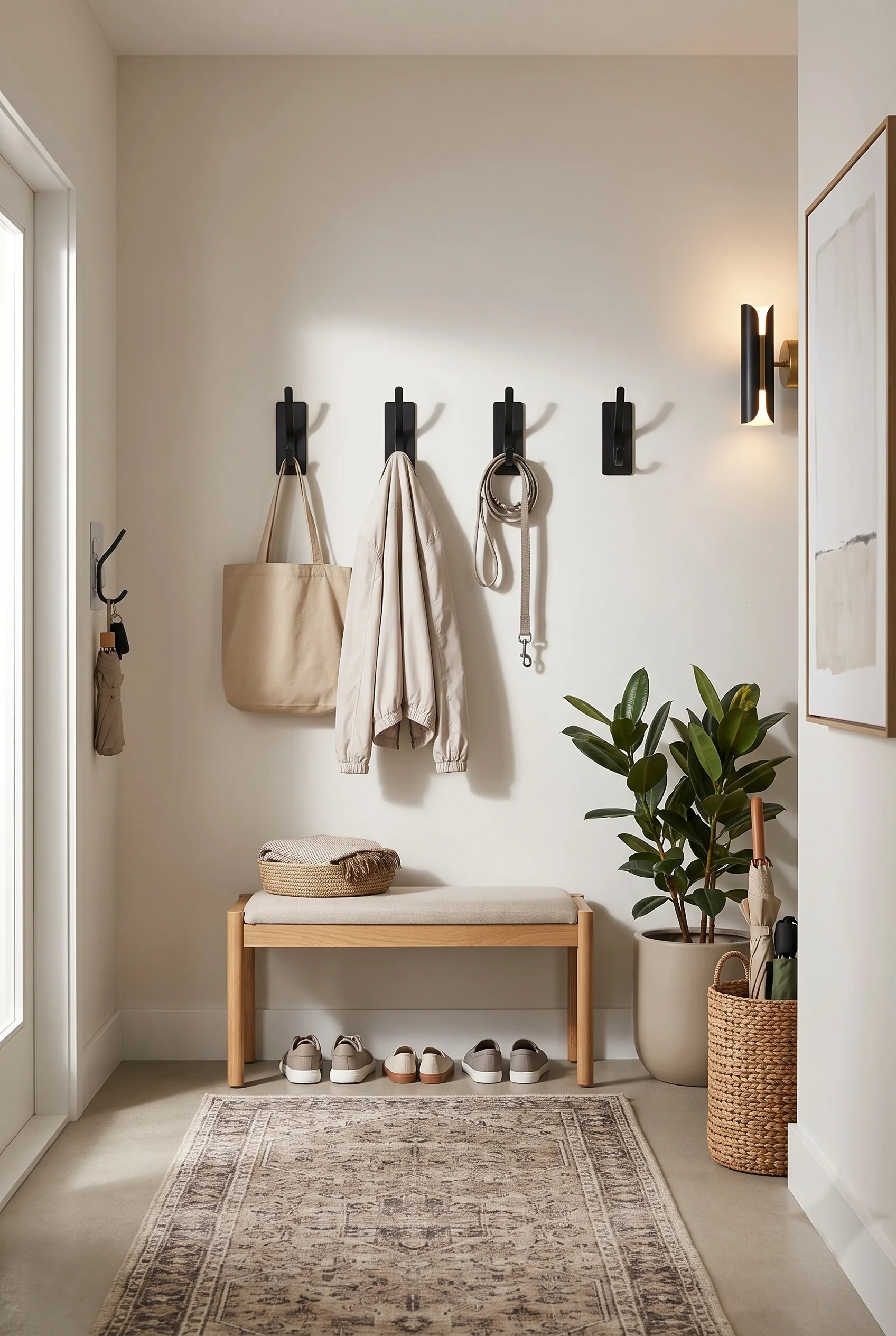
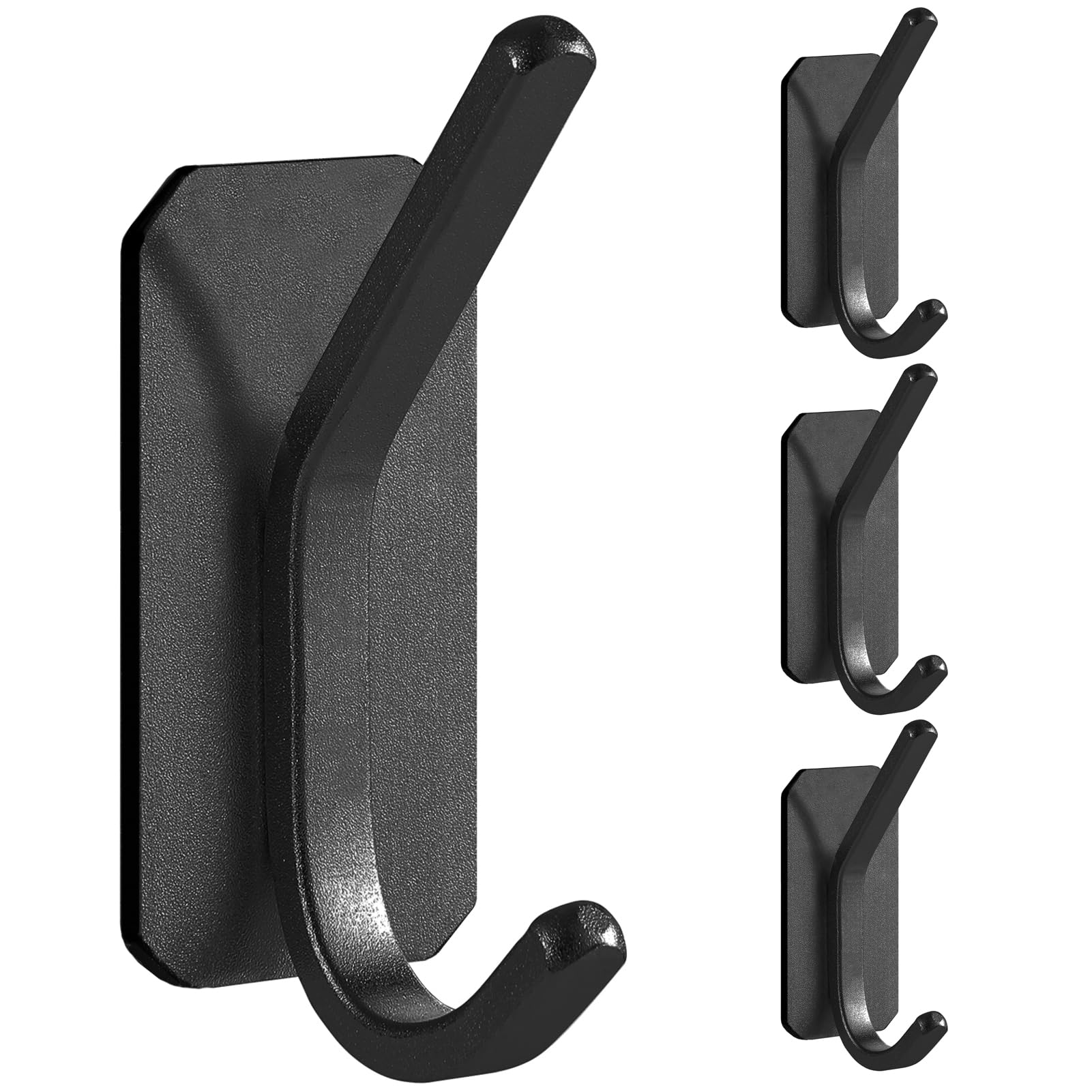
Bags and jackets land wherever hands happen to be free, usually a dining chair or the bottom stair. A row of wall hooks right inside the door catches them first.
Give everyone their own hook, the dog’s leash included. It sounds small, but it ends the morning hunt and settles debates over who left what where.
Adhesive hooks go up in minutes and come off cleanly when you move. Hang a couple low enough for the kids to reach on their own. A bench below adds a place to sit and pull on shoes, with room for a basket of hats underneath.
The Back of the Closet Door, Finally Put to Work
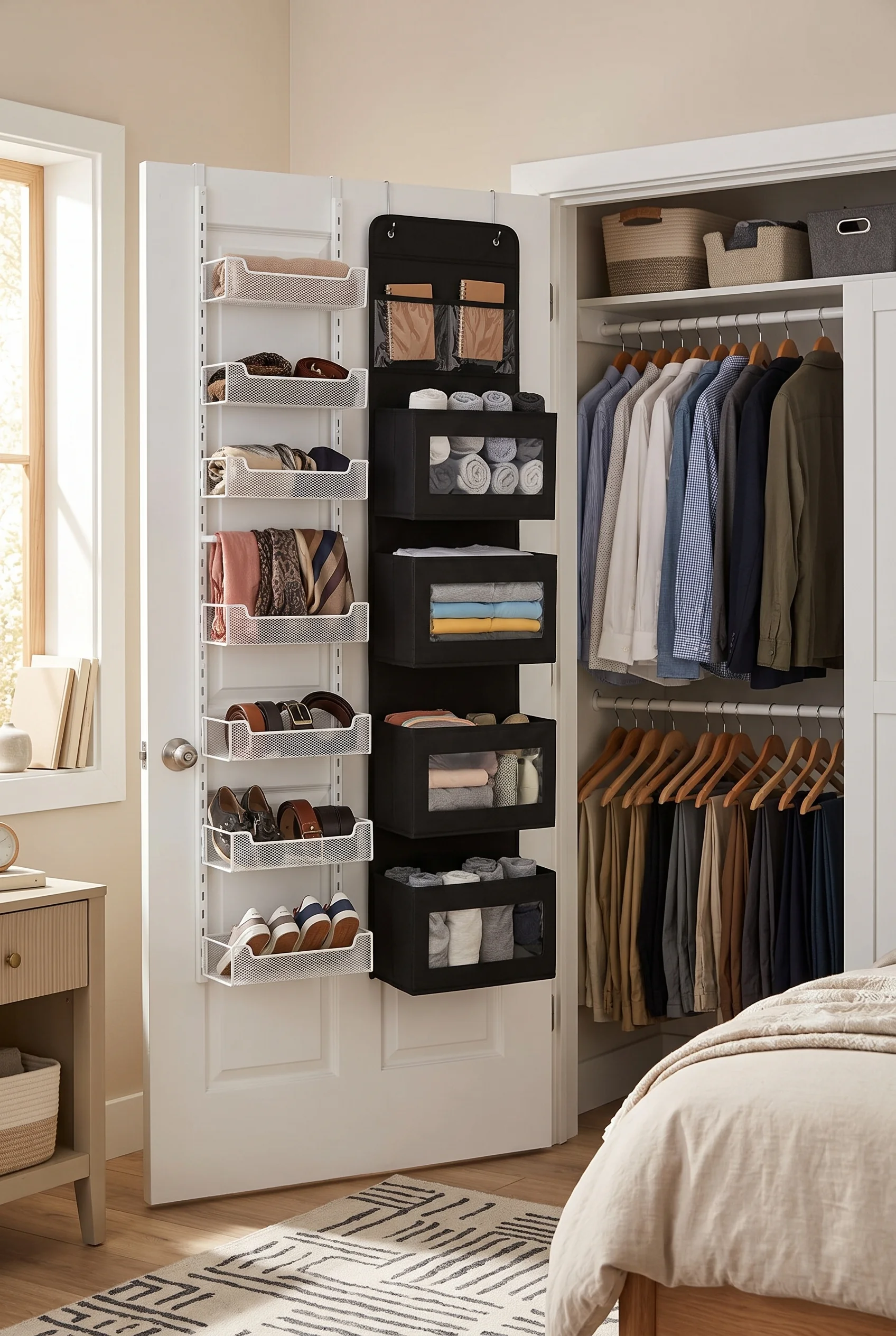
Closet shelves fill up fast with things that never needed shelf space. Belts, scarves, and sneakers fit neatly into pockets hung on the back of the door.
Mesh or clear pockets make the difference. When you can see what is inside, you actually reach for it, and nothing gets buried under a stack of sweaters.
Moving accessories to the door frees the shelves for bulkier things, like bins of off-season clothes or spare bedding. Over-the-door hooks mean no tools, and most organizers fit a standard door without any adjustment.

Kitchen Drawers and Cabinets Without the Digging
The kitchen is where clutter costs the most time. Every search for a pan lid or the right spatula adds another minute to dinner.
These six storage solutions focus on what lives behind cabinet doors and inside drawers, where small changes give the biggest return. Most install in an afternoon, and none require a remodel. Once each tool has a fixed spot, unloading the dishwasher becomes almost automatic.
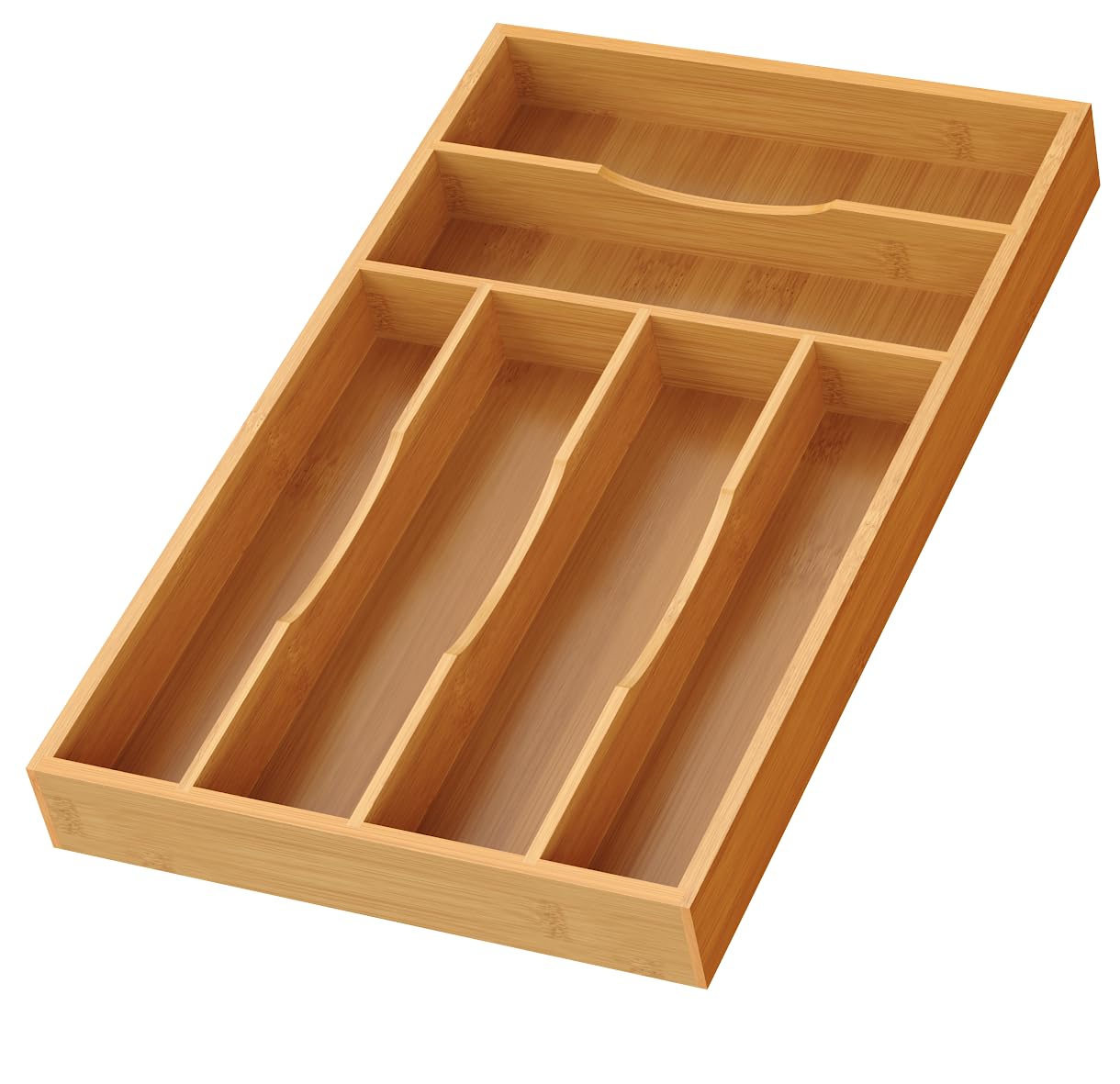
A Silverware Drawer Where Nothing Slides
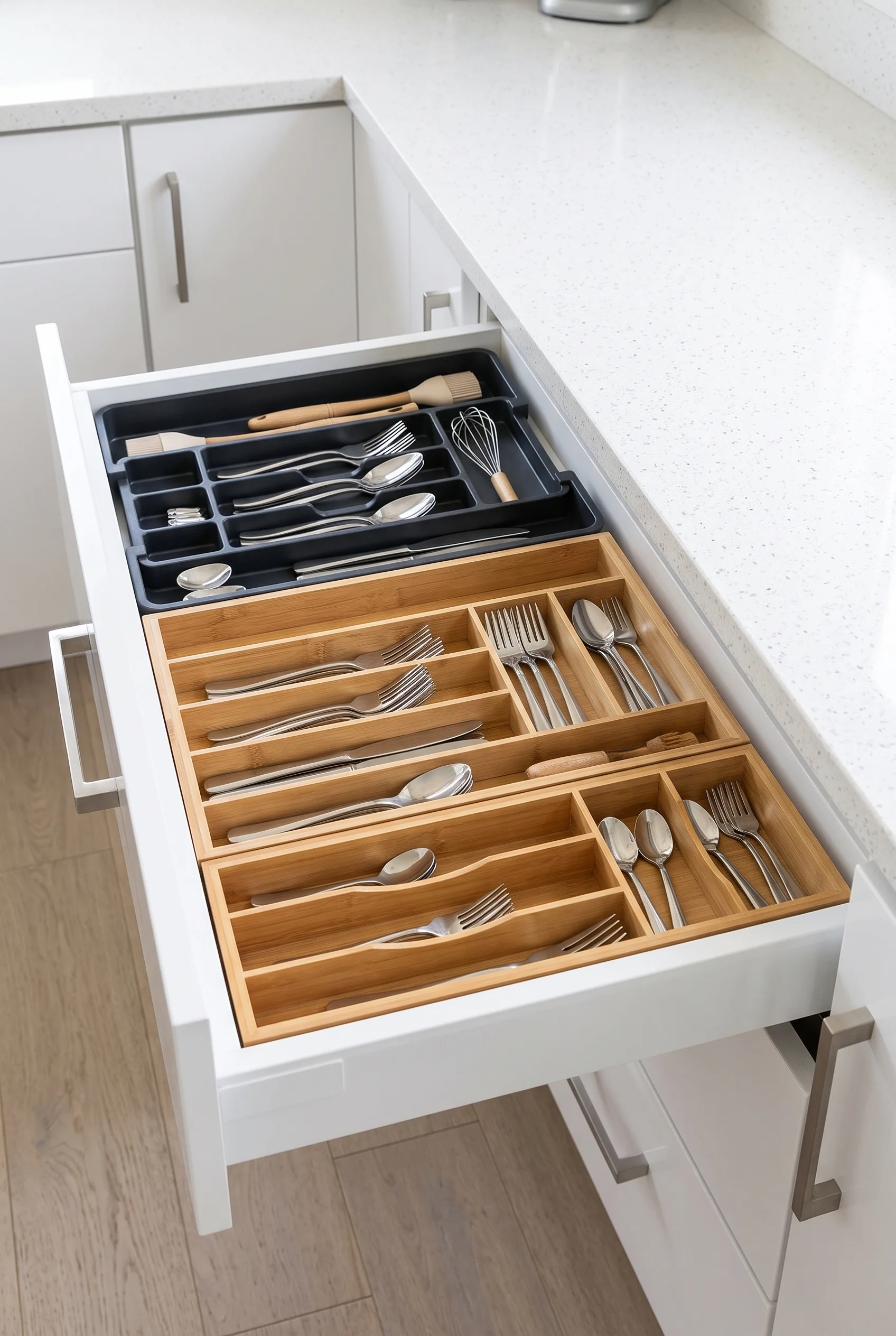
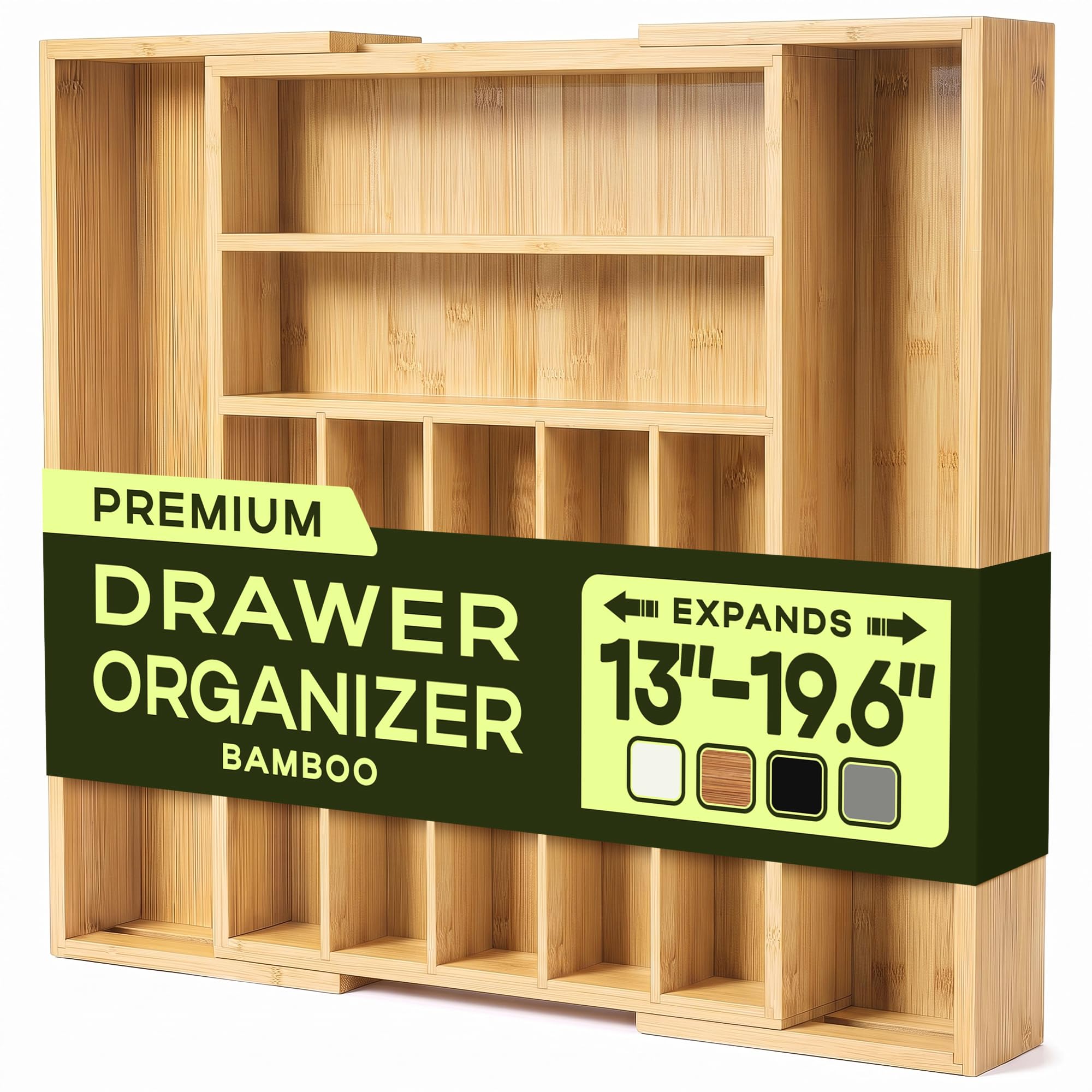
Standard cutlery trays leave gaps on both sides, and those gaps are where whisks and stray spoons roll around. An expandable organizer stretches to fit the drawer wall to wall, so the whole tray stays put.
Each utensil type gets its own slot. The extra compartments take serving spoons, a peeler and the pizza cutter that used to live in the junk drawer.
Bamboo wipes clean and holds up for years, while a lightweight plastic version suits a second drawer of gadgets. For the bigger drawers below the counter, these deep kitchen drawer organization ideas pick up where this one leaves off.

The Everyday Spatulas, Right Beside the Stove
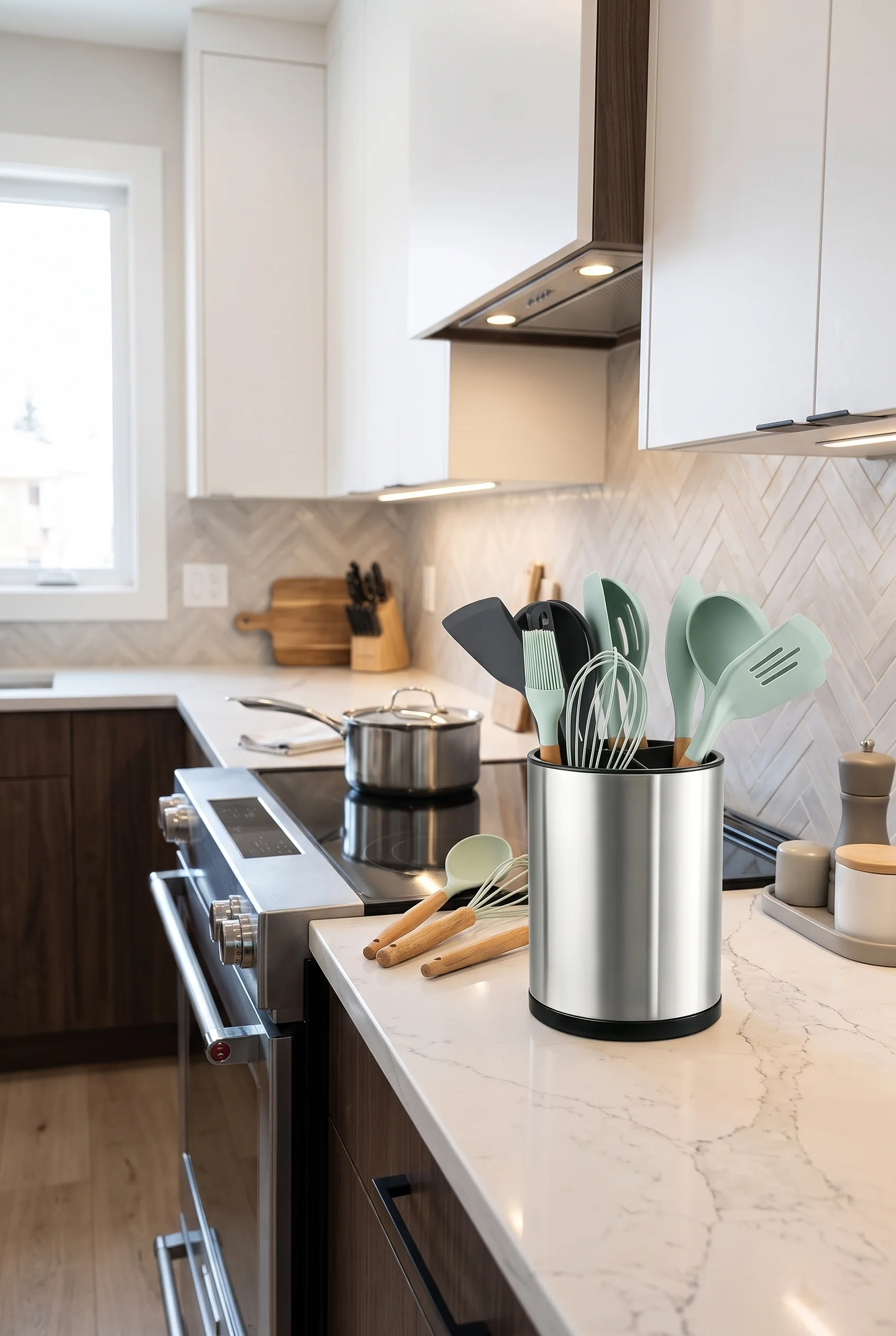
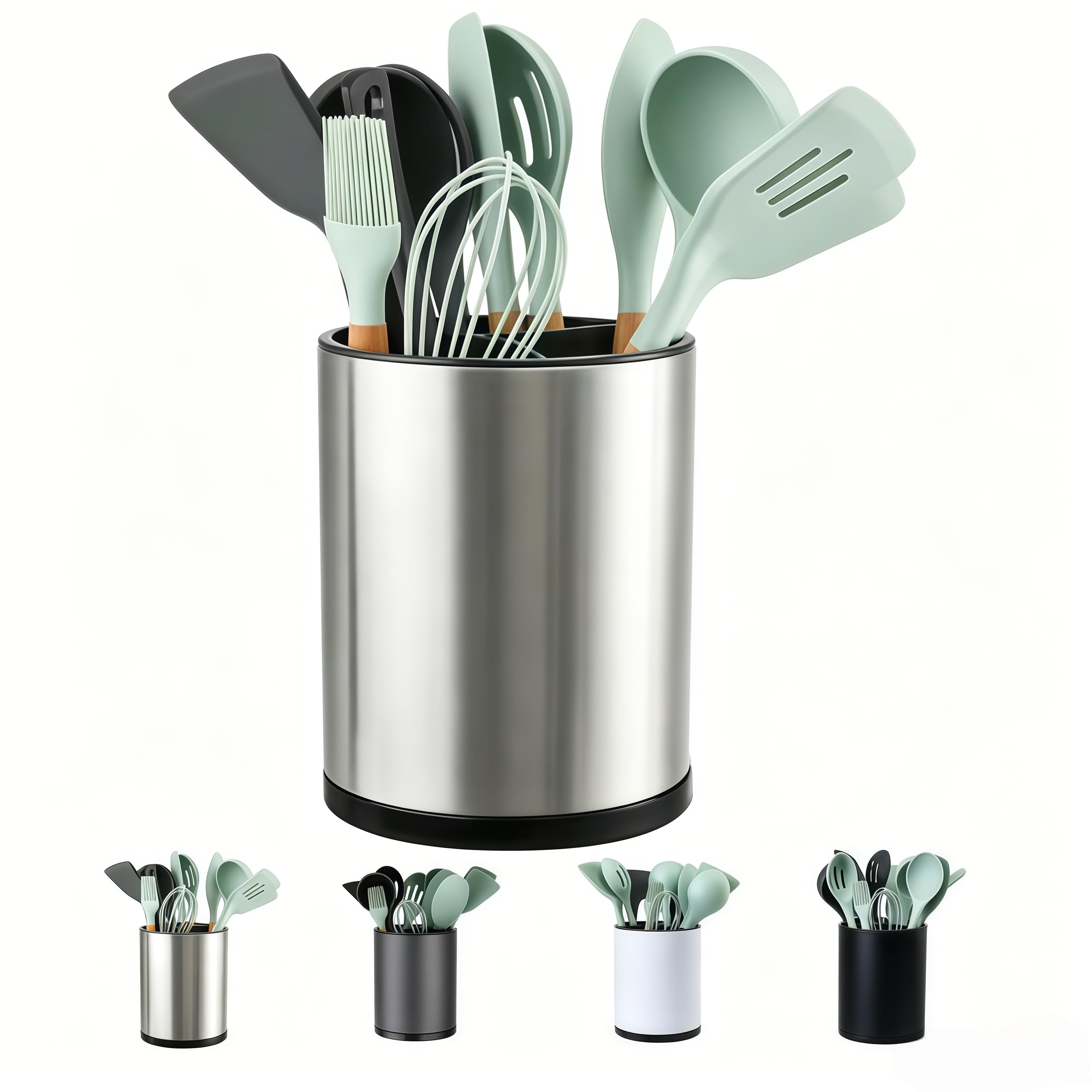
Digging through a drawer with one hand while stirring with the other never goes well. A utensil crock next to the cooktop keeps the tools you grab daily exactly where you need them.
A rotating version is a small upgrade with a big payoff. One spin and the spatula hiding at the back swings around to the front, no fishing required.
Be strict about what earns a spot. Two spatulas, a whisk, and a couple of wooden spoons are plenty. Ladles and specialty tools can stay in a drawer, and the crock never turns into a crowded bouquet of things nobody uses.
A Shelf for Every Pan, No More Stacking
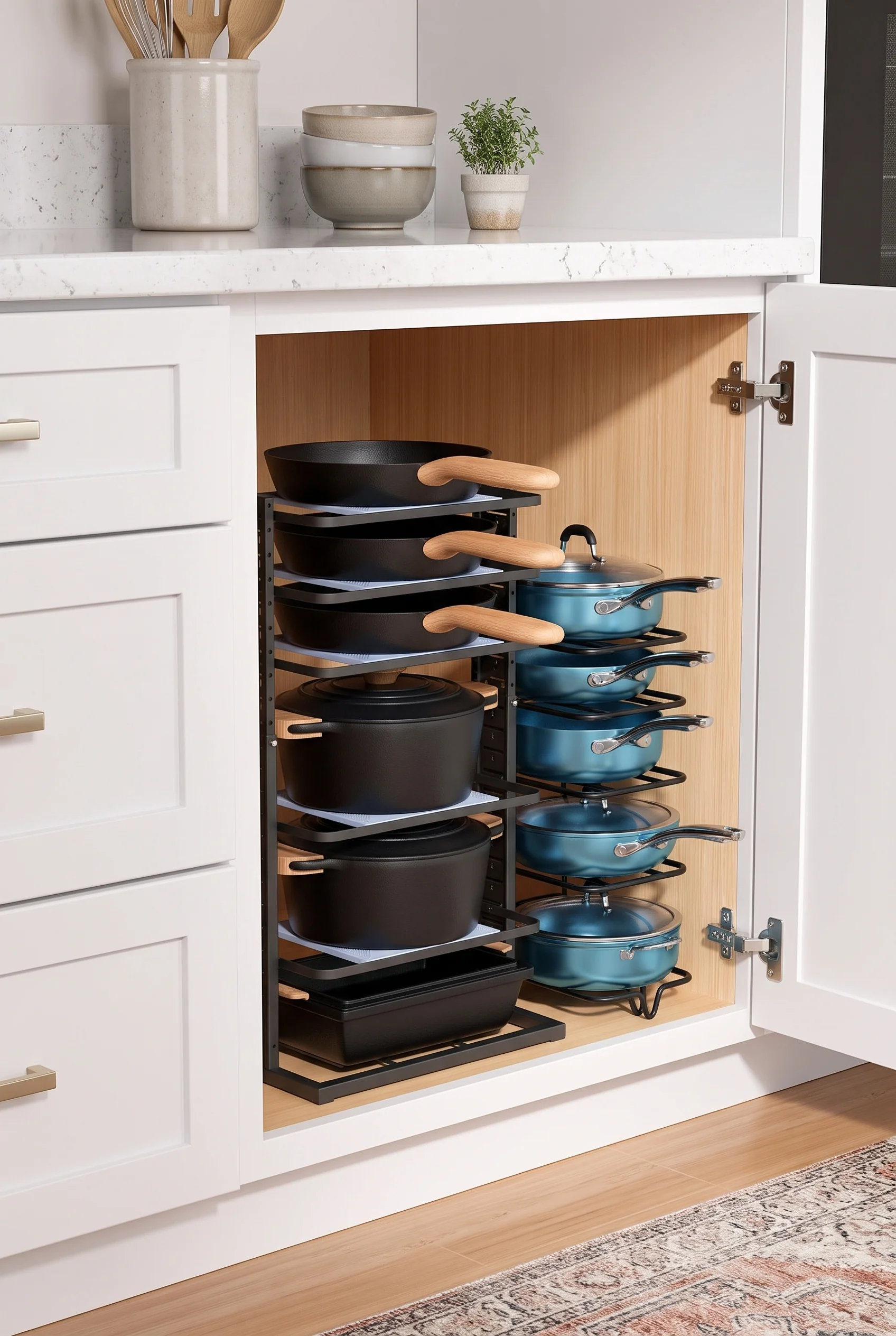
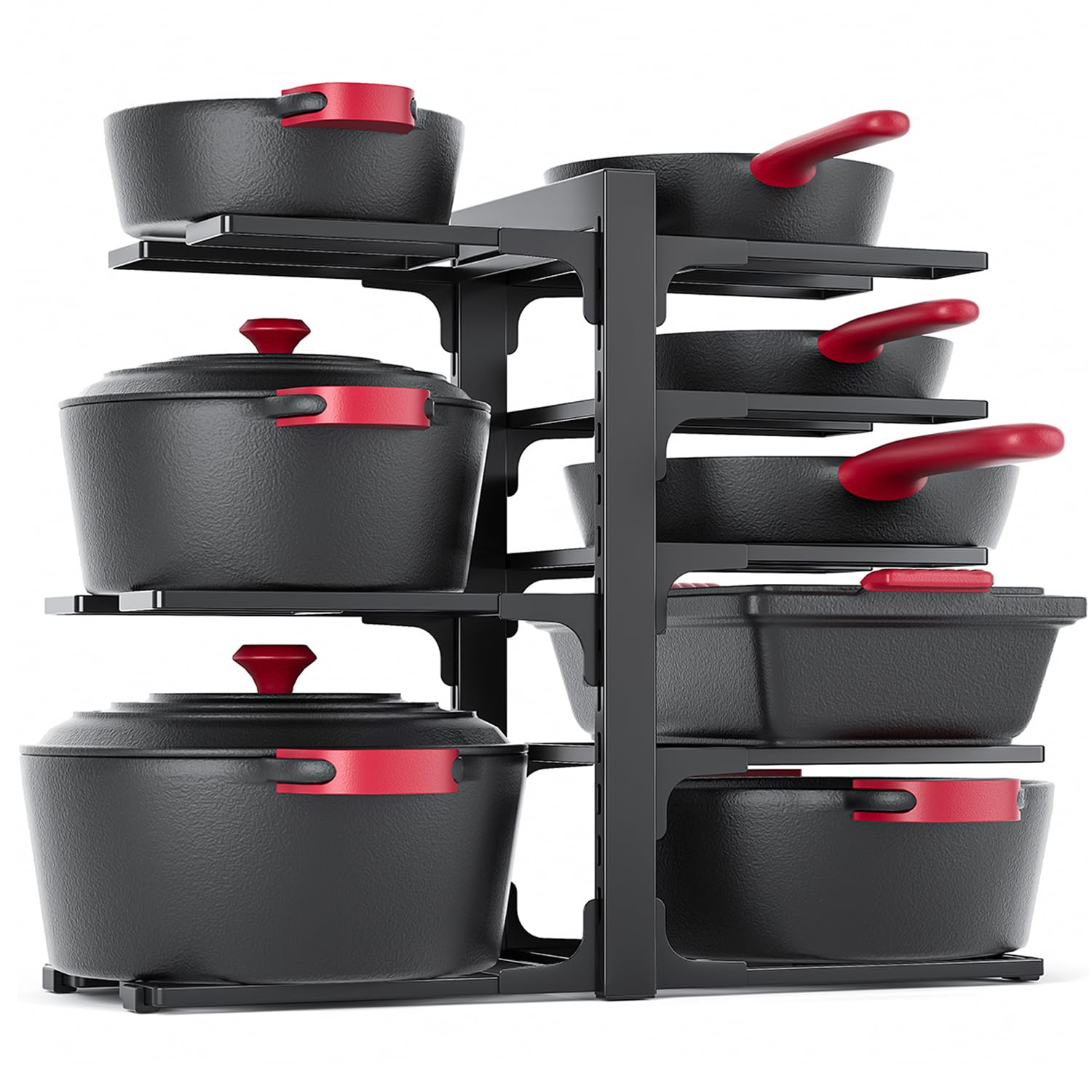
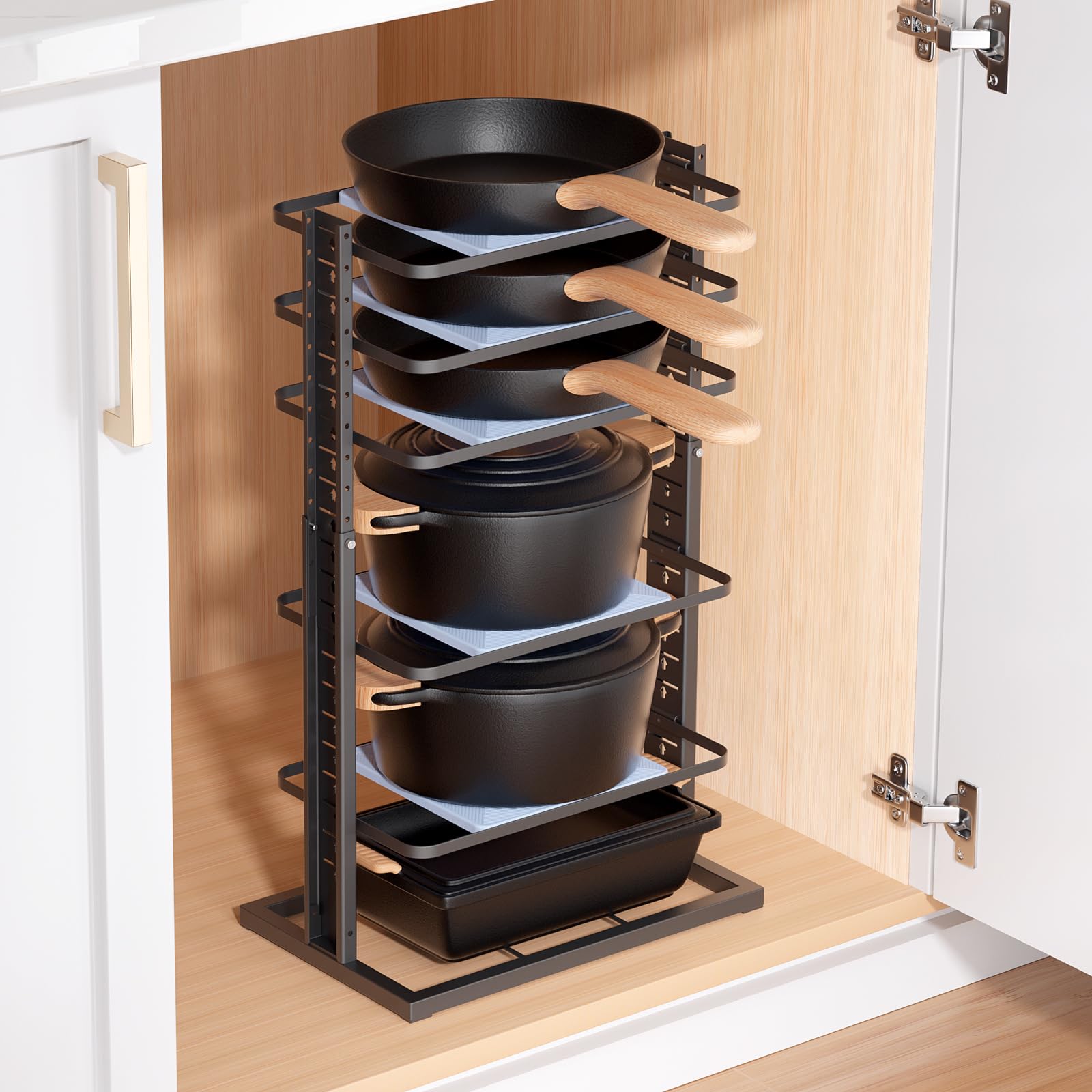
A tiered rack inside a lower cabinet gives each pan its own level, which ends the scraping and the dig for whichever skillet landed at the bottom of the stack.
Pulling out a skillet becomes a one-handed move. Nothing above it shifts or clatters, and nothing needs to be lifted out first.
Most racks adjust, so heavy pots can sit low while lighter frying pans slot in above. Measure the cabinet depth and the door opening before buying, since handles need a little clearance. Mealtimes get quieter too, which anyone cooking during nap time will appreciate.

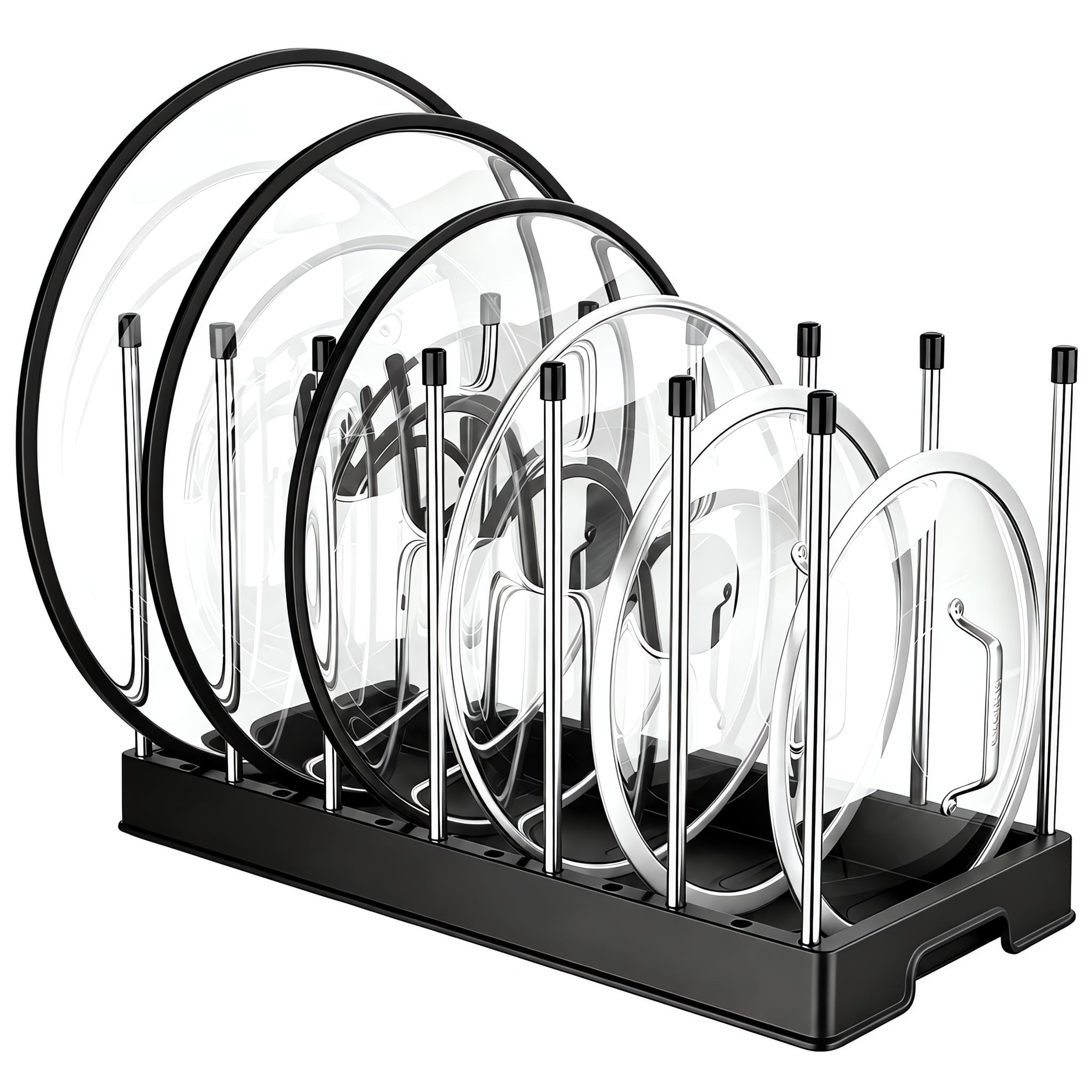
Pot Lids, Filed Upright Where You Can See Them
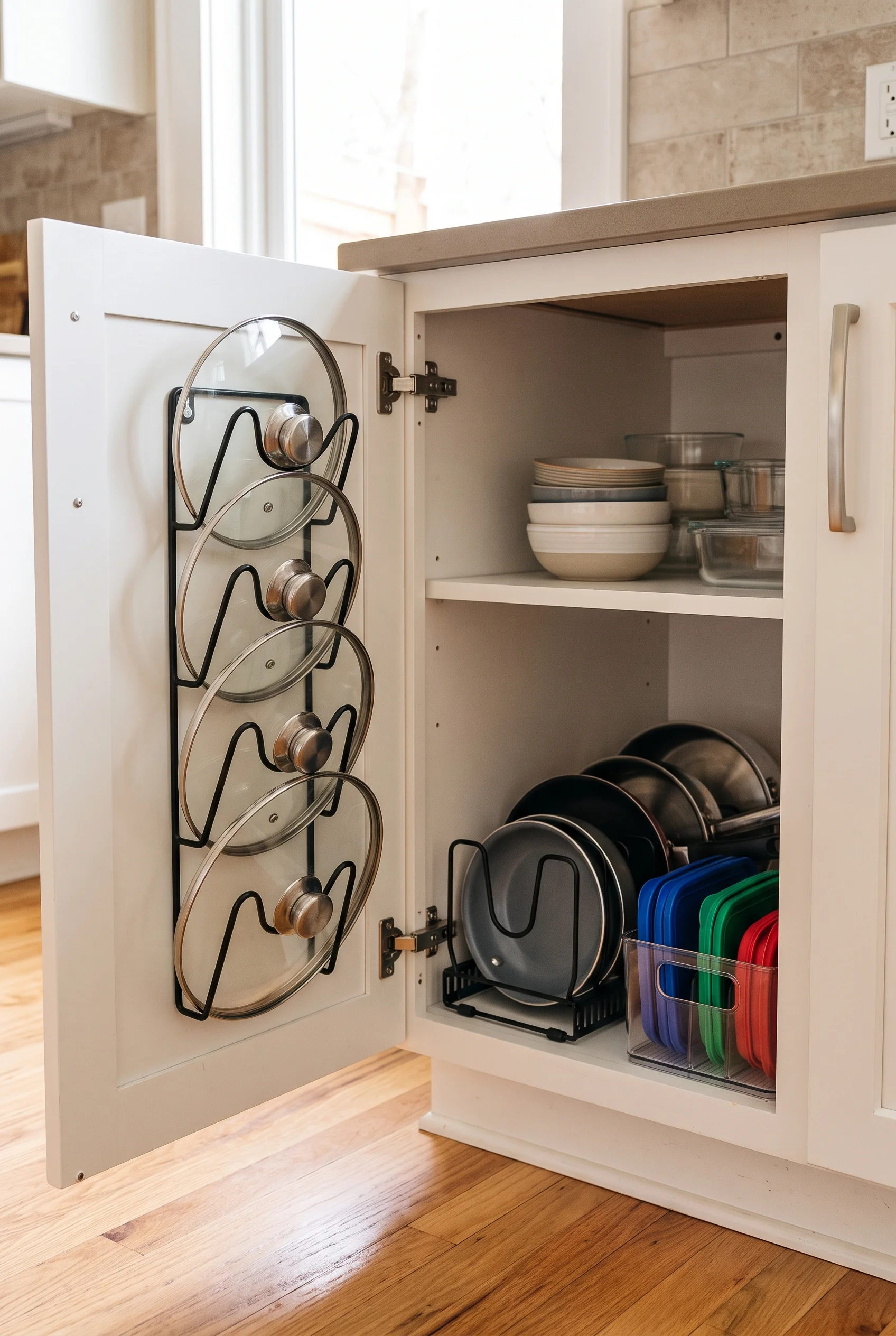
Lids are the most awkward thing in any kitchen. They refuse to stack, they slide off pots, and they swallow a whole shelf if you let them.
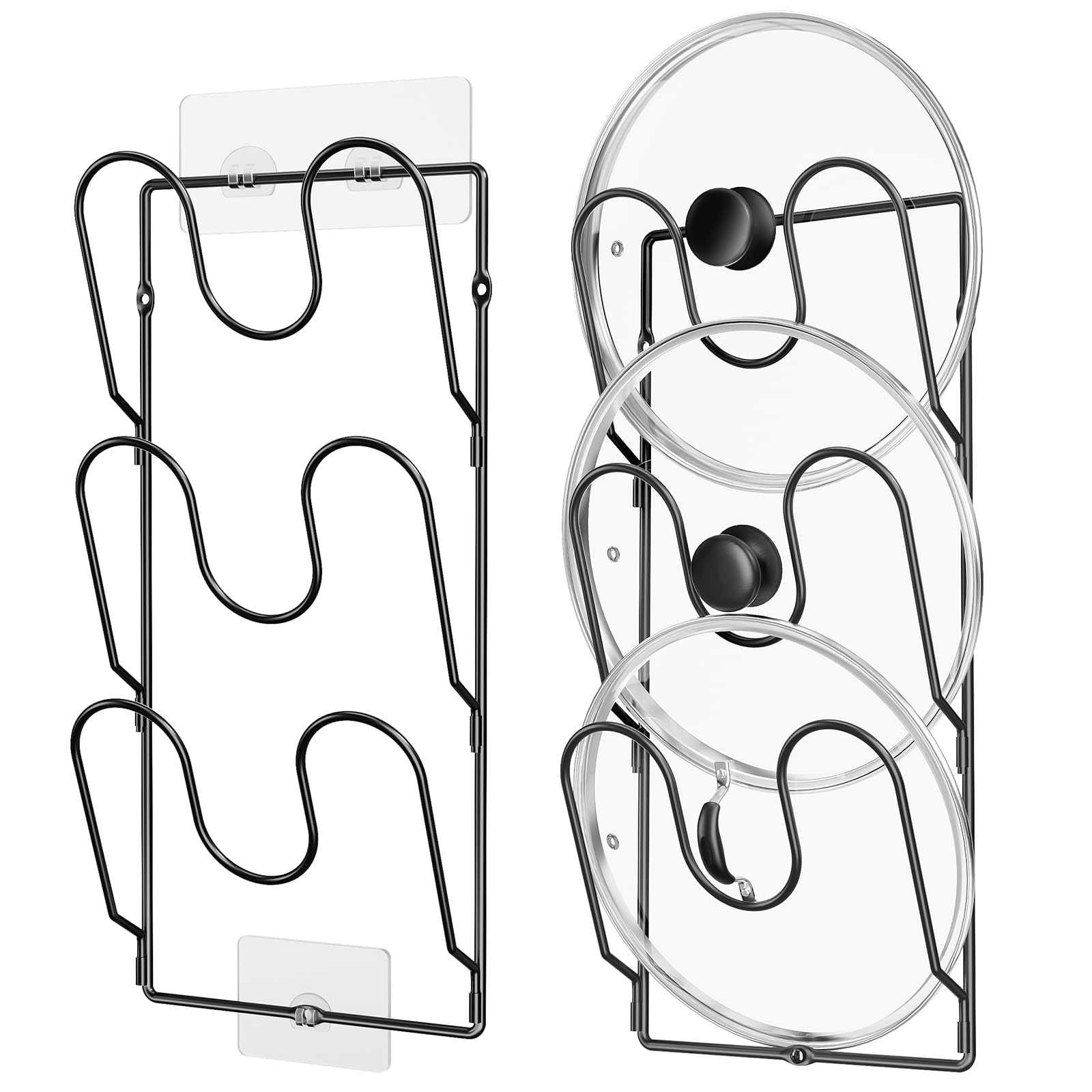
A lid rack mounted inside a cabinet door changes that. Each lid stands upright in its own slot, visible the moment the door swings open, while the shelf behind stays free for the pots themselves.
Check clearances before installing. The rack and lids need to clear the shelf edge when the door closes, so mount it just above or below the shelf line. A divider rack on the shelf handles anything that will not fit on the door.
The Corner Cabinet, Brought Within Reach
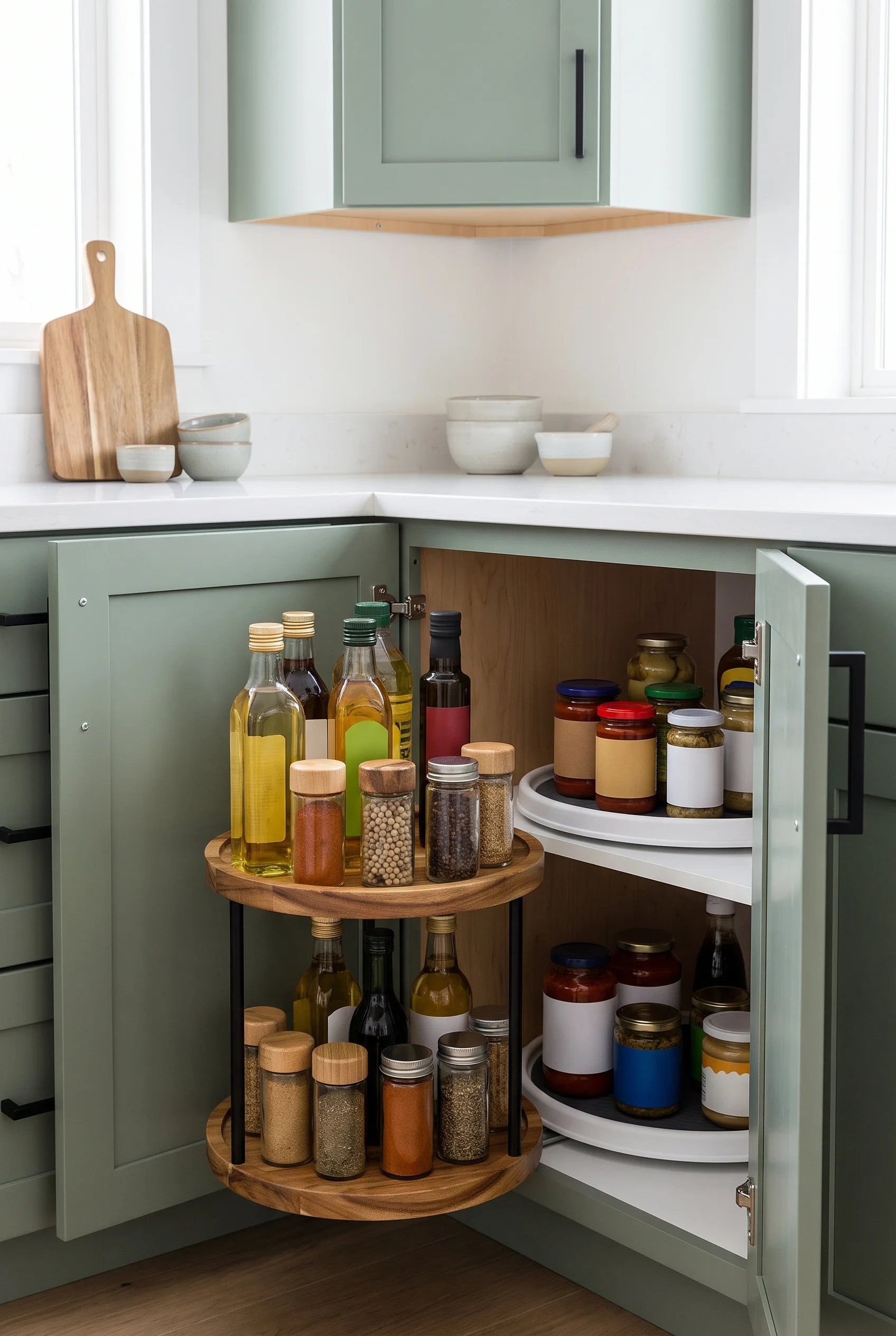
Corner cabinets swallow bottles. Whatever goes into the back tends to stay there until it expires. A lazy Susan brings the back of the cabinet to the front with a single turn.
Two tiers double the usable space. Taller bottles belong on the lower tier, which leaves the upper one for spice jars and small condiments with labels you want to read at a glance.
Corner cabinets often hide a hinge or face frame, so size the turntable to the narrowest point of the door opening. Spinning straight to the sesame oil feels like a small luxury at the end of a long day.


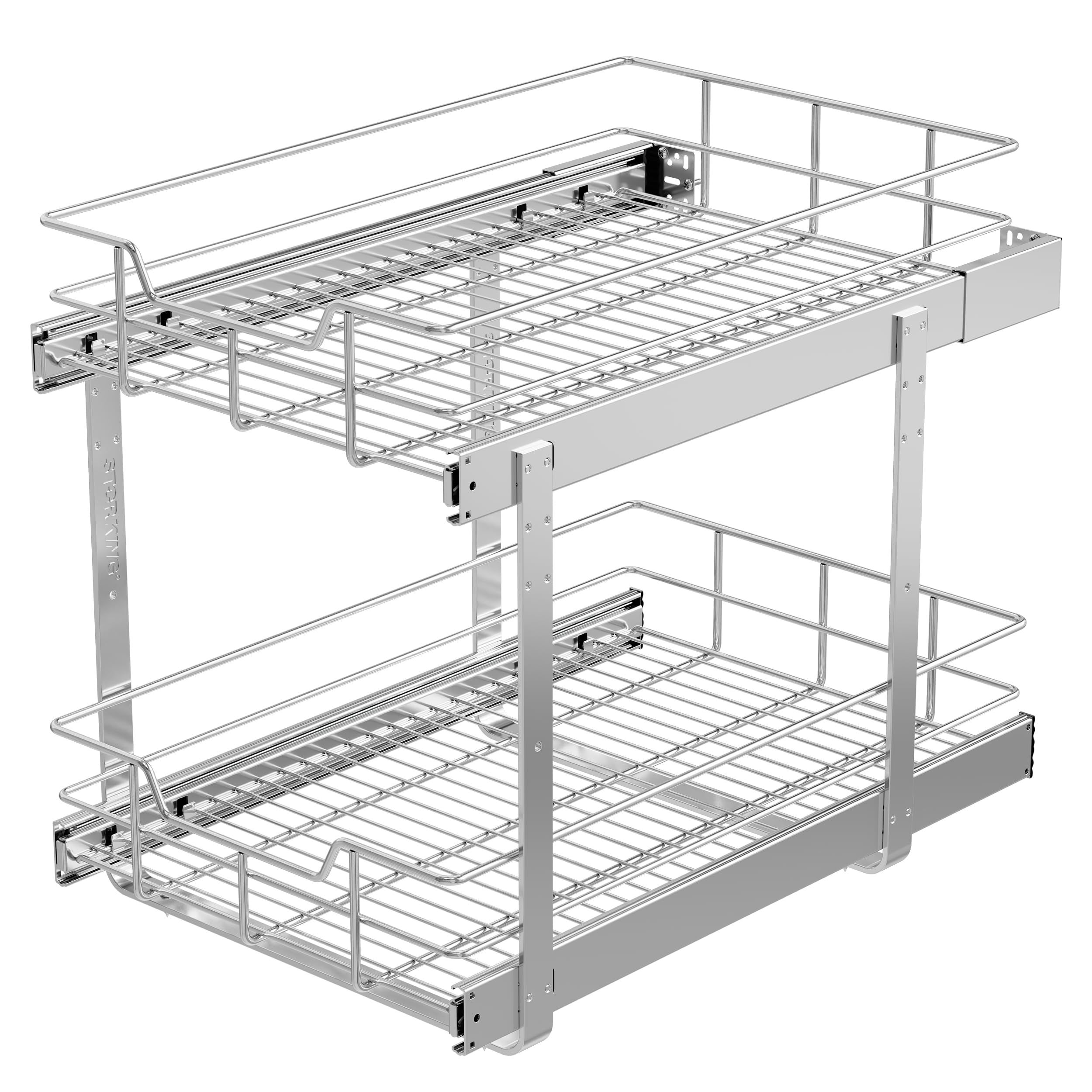
Deep Base Cabinets That Behave Like Drawers
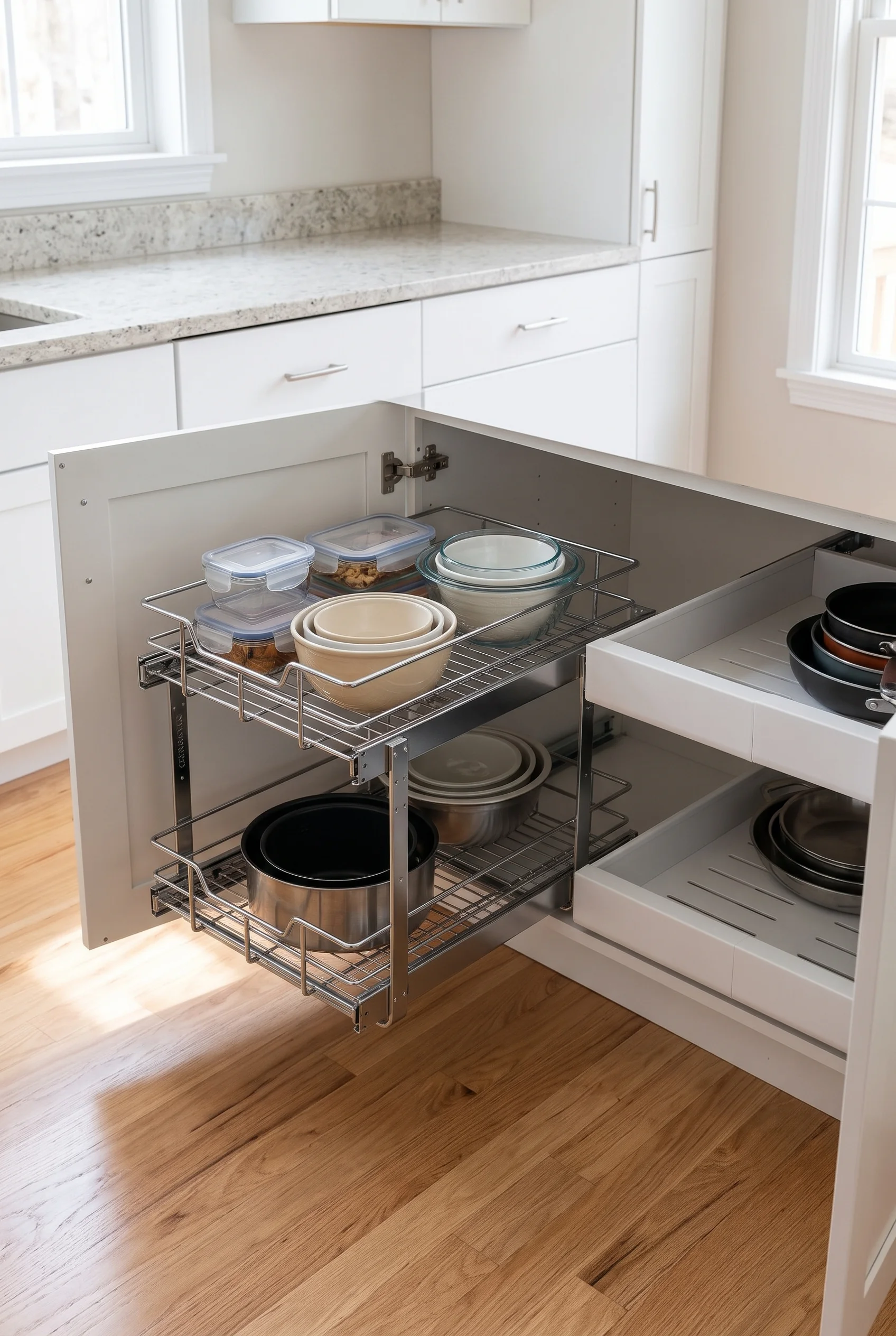
Deep lower cabinets have a back half most people never see. Food storage containers and mixing bowls disappear there for months. Pull-out baskets fix that by bringing the entire shelf to you.
Once a basket slides out, every lid and bowl is visible from above.
These organizers screw into the cabinet floor and need no remodel. Measure the width and depth, check the clearance around hinges, then leave a little wiggle room. A two-tier version uses the vertical space as well, with heavy pots low and lighter containers higher, where kids can help put them away.


Clear Counters Around the Coffee Maker and Sink
Counters set the mood of a kitchen. When they are clear, even a small kitchen feels calm and ready for whatever the day brings.
The ideas in this group move daily items onto walls, cabinet doors and the undersides of shelves. A few focus on the coffee routine, the rest on the sink. Pair them with a handful of thoughtful kitchen decor ideas and the room looks finished instead of bare.
Mugs That Hang Above the Coffee Maker
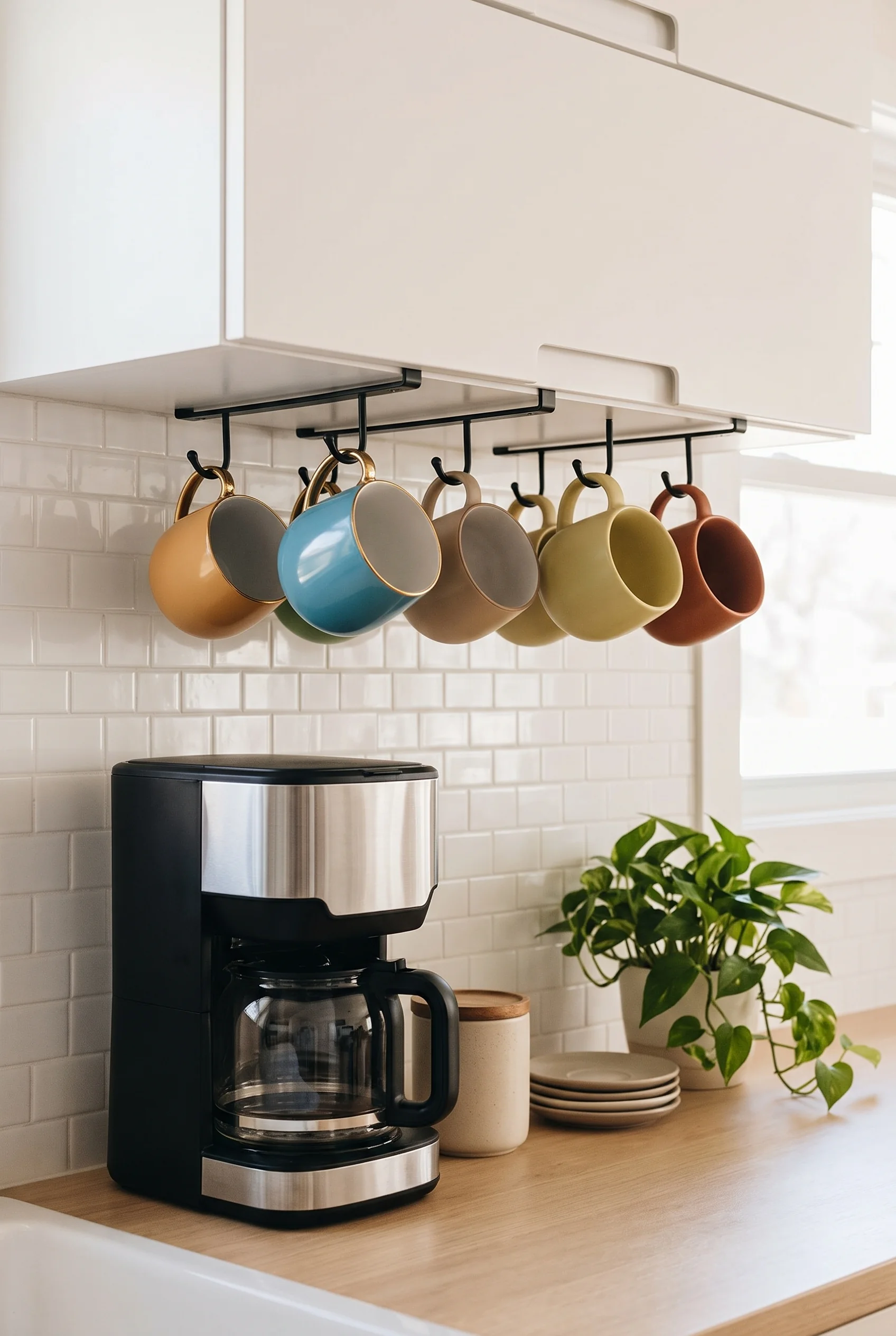
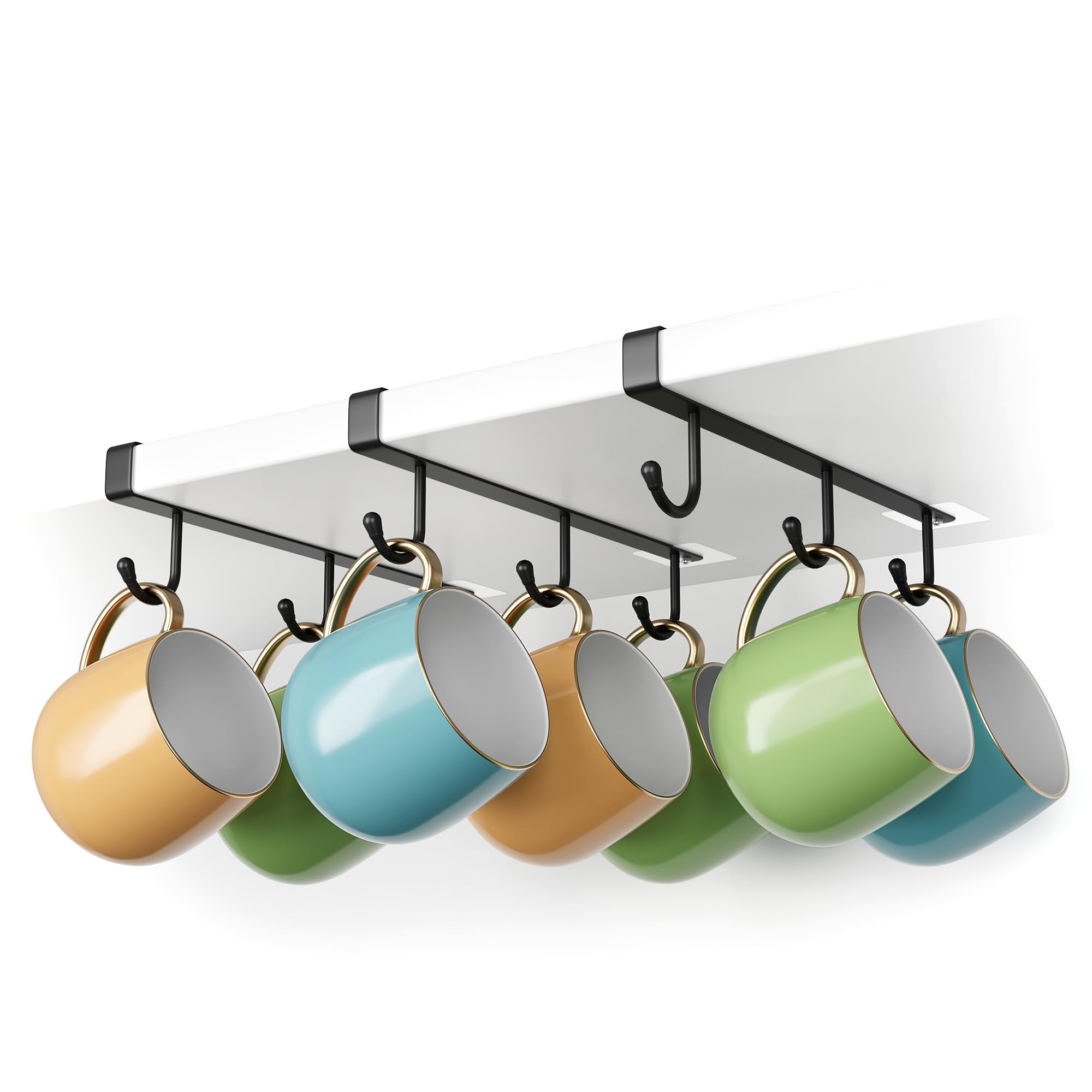
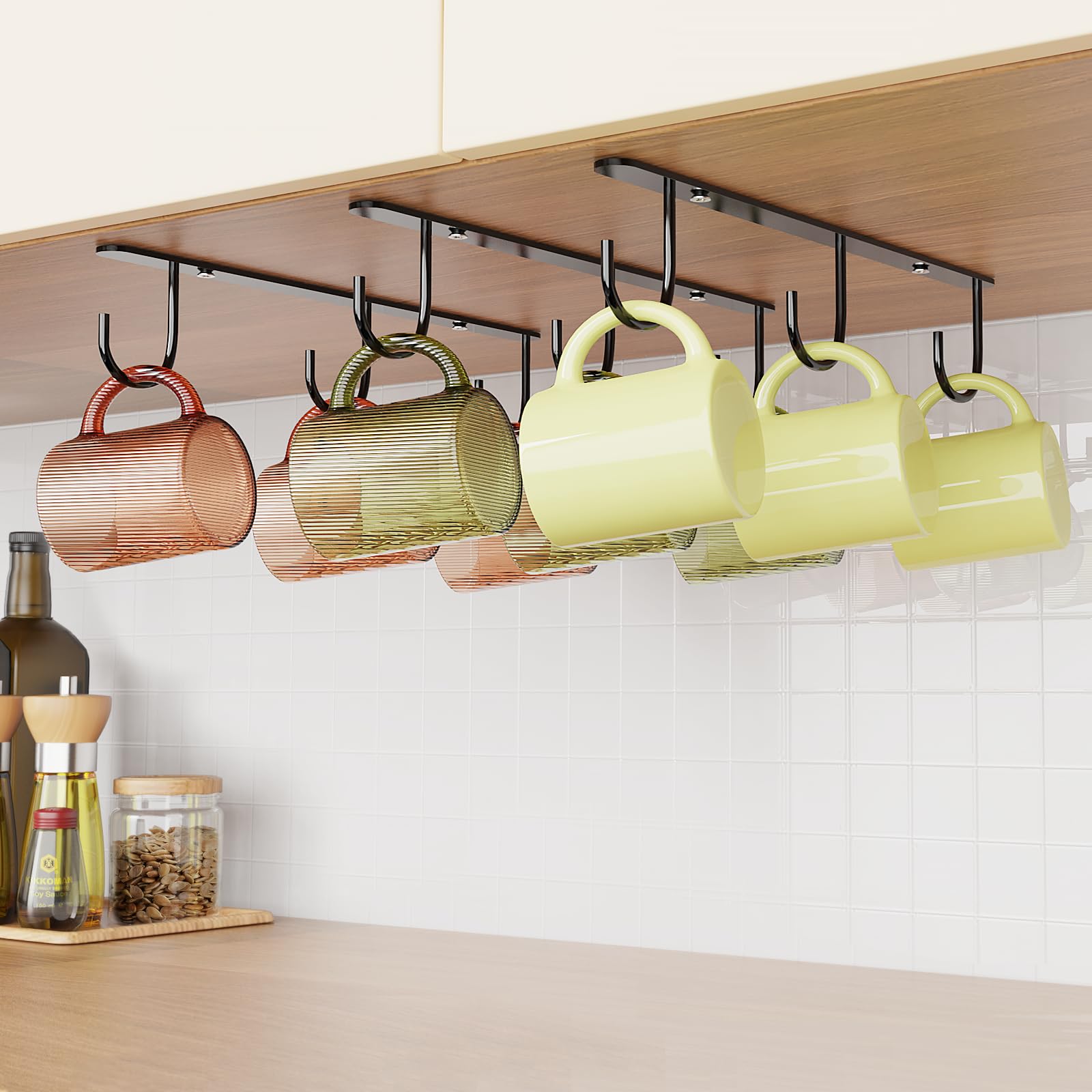
A cupboard full of mugs can’t hold anything else. Clip-on hooks slide onto the underside of an upper cabinet or shelf, turning that dead space into a mug rack.
Mugs dry faster hanging upside down, and they are right above the coffee maker when you reach for one half awake. Most clips fit shelves up to about an inch thick.
No drilling means renters can do this too. Keep it to five or six favorites, since a long row of souvenir mugs can tip from charming to crowded. The freed-up shelf can finally hold the good glasses.

A Coffee Bar With Its Own Footprint
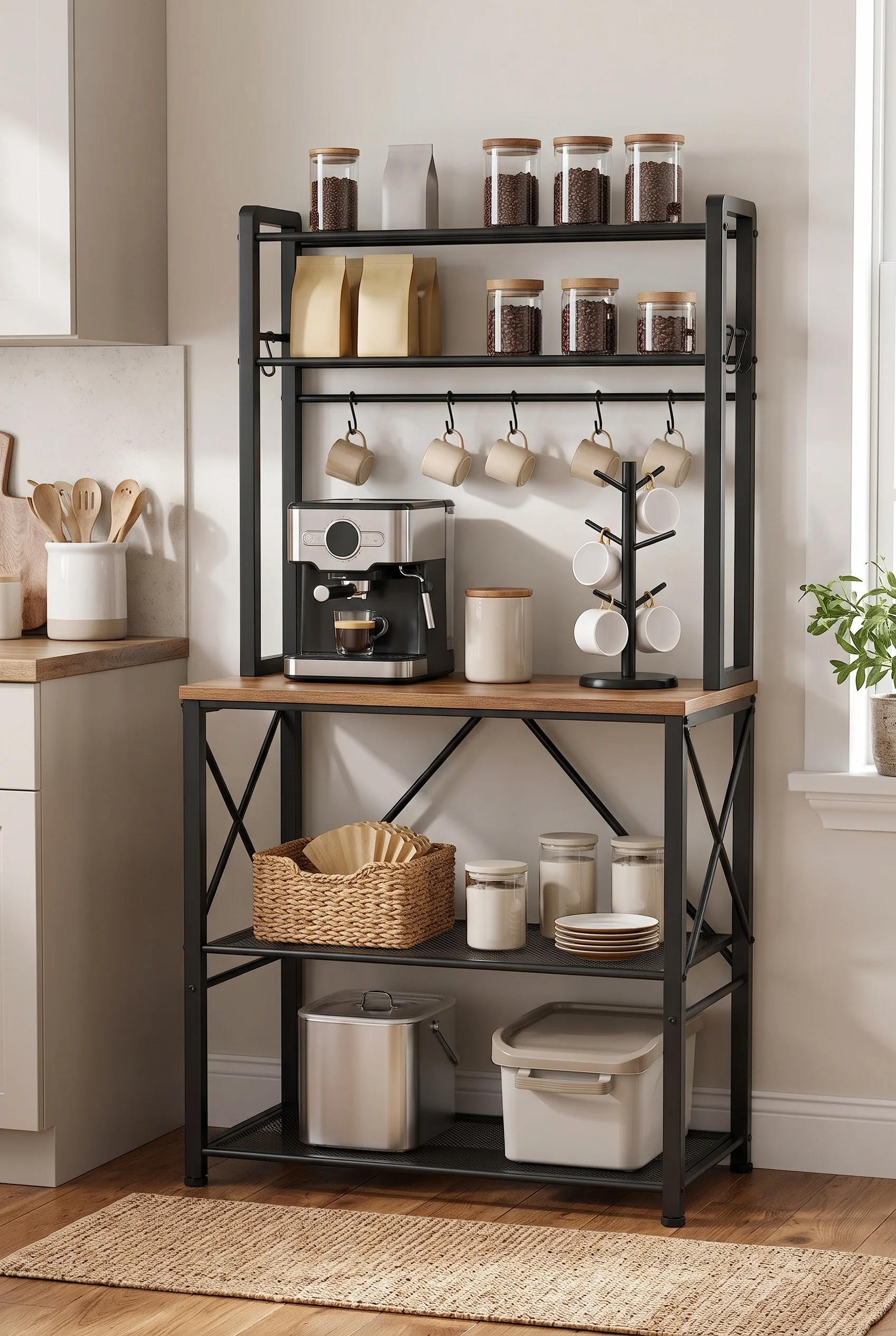
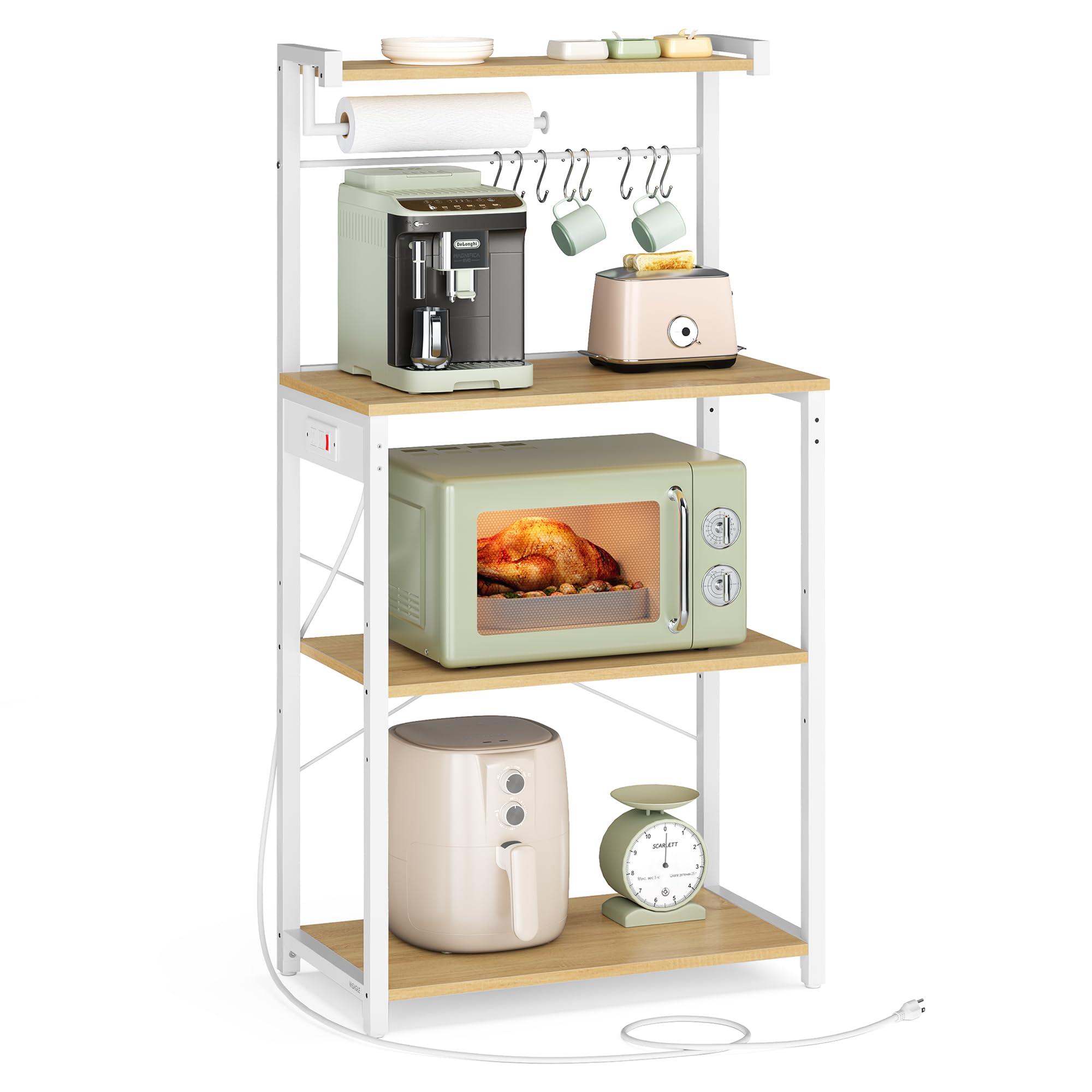
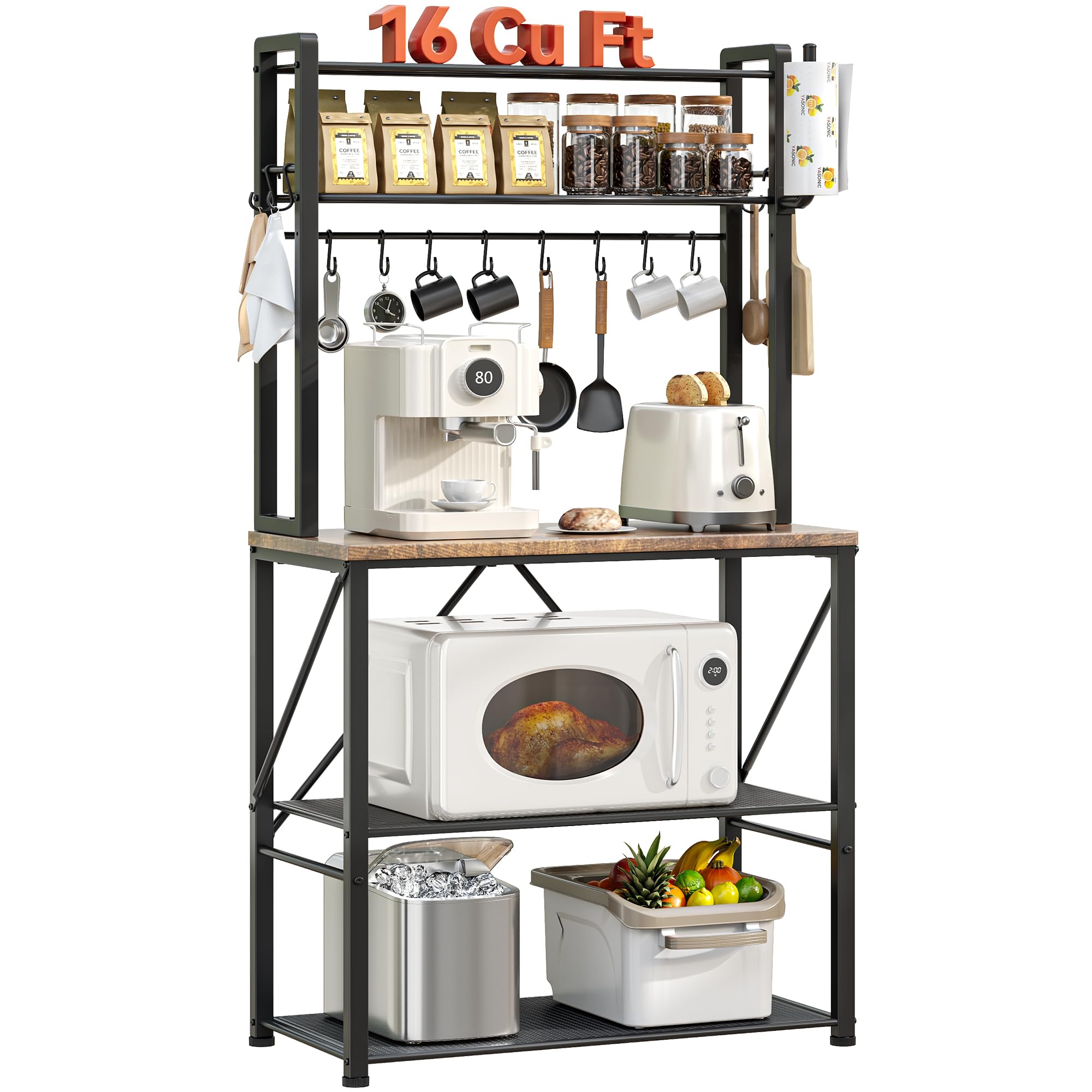
Coffee gear takes over counters fast. The machine, the beans and the mugs all want to live near an outlet. A baker’s rack collects all of it in one vertical spot, often against a wall that was not doing much anyway.
Models with built-in outlets power the machines without a cord stretched across the room.
Assign each shelf a job. Daily essentials go at waist height, backup beans and filters go up top, and bulky things like a pod bin sit on the bottom. A mug tree keeps favorite cups upright and close.

Shelf Liner, the Quiet Workhorse Inside Cabinets
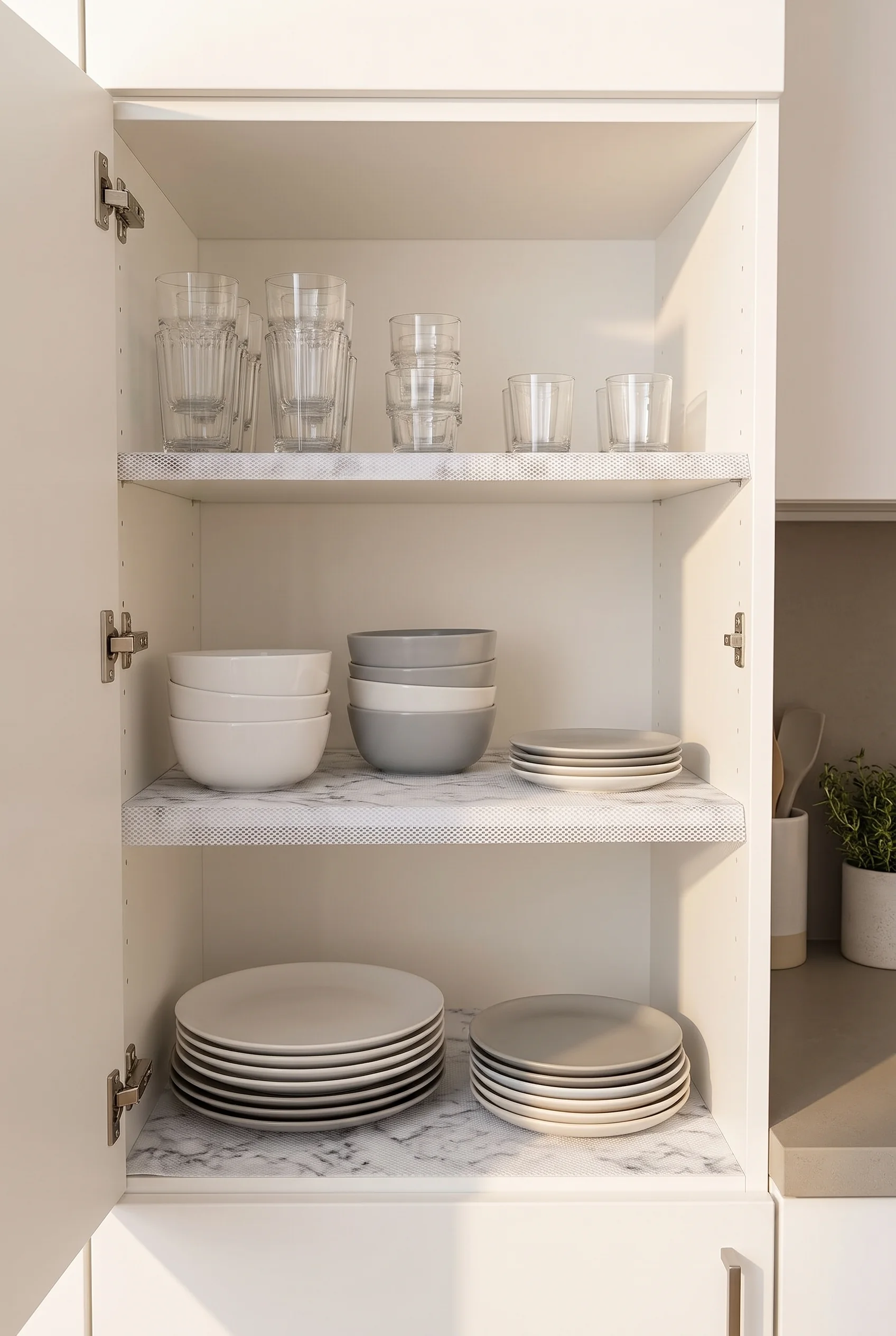
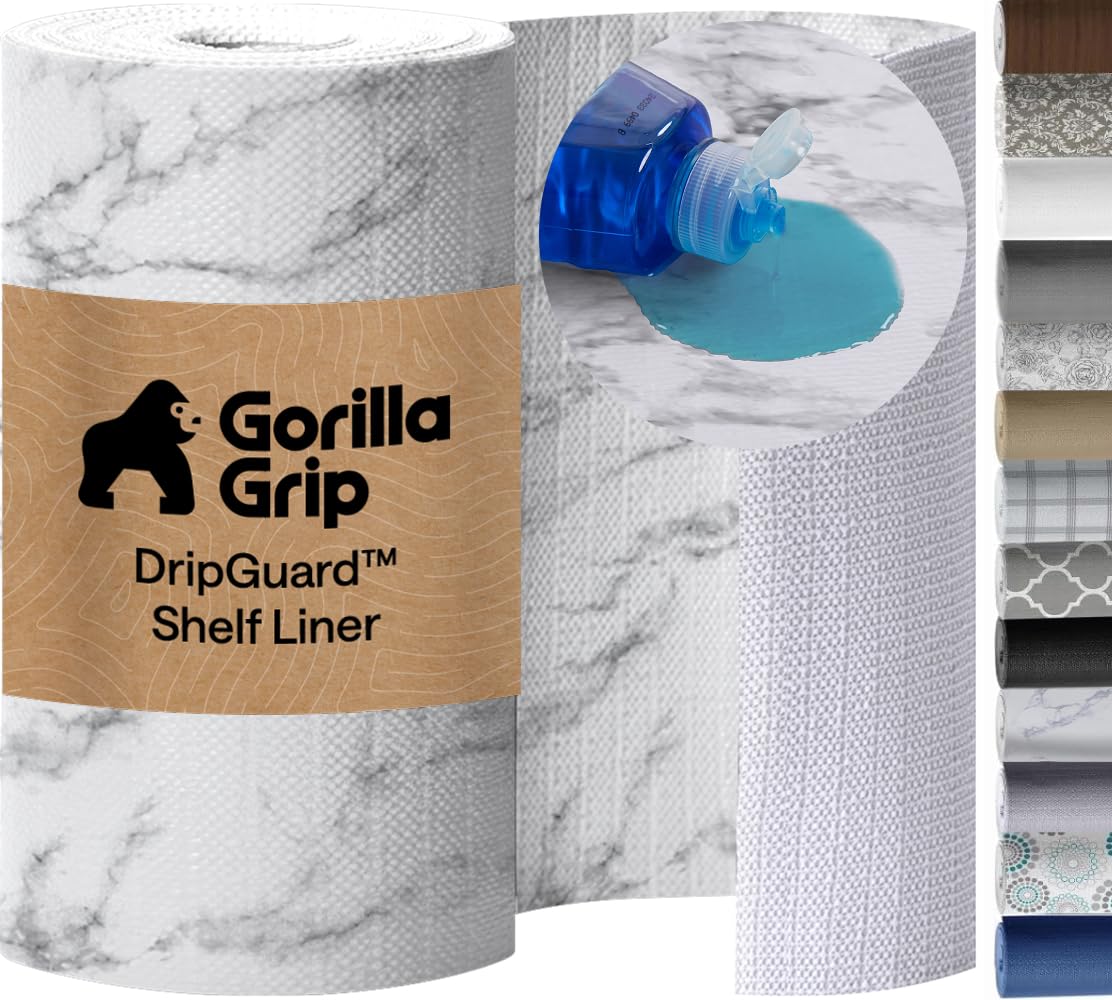
Shelf liner rarely gets credit, but it changes how a cabinet behaves. A grippy liner stops glasses from sliding when the door swings shut and keeps stacked plates from shifting.
It protects the shelves too. Drips from a wet bowl and scratches from heavy dishes land on the liner instead of the cabinet itself.
Cut it to fit edge to edge with a sharp utility knife. A wipe-clean version makes the twice-a-year cabinet reset painless: pull it out, rinse it, and lay it back once dry. Fresh liner makes even an older kitchen cabinet feel cared for.


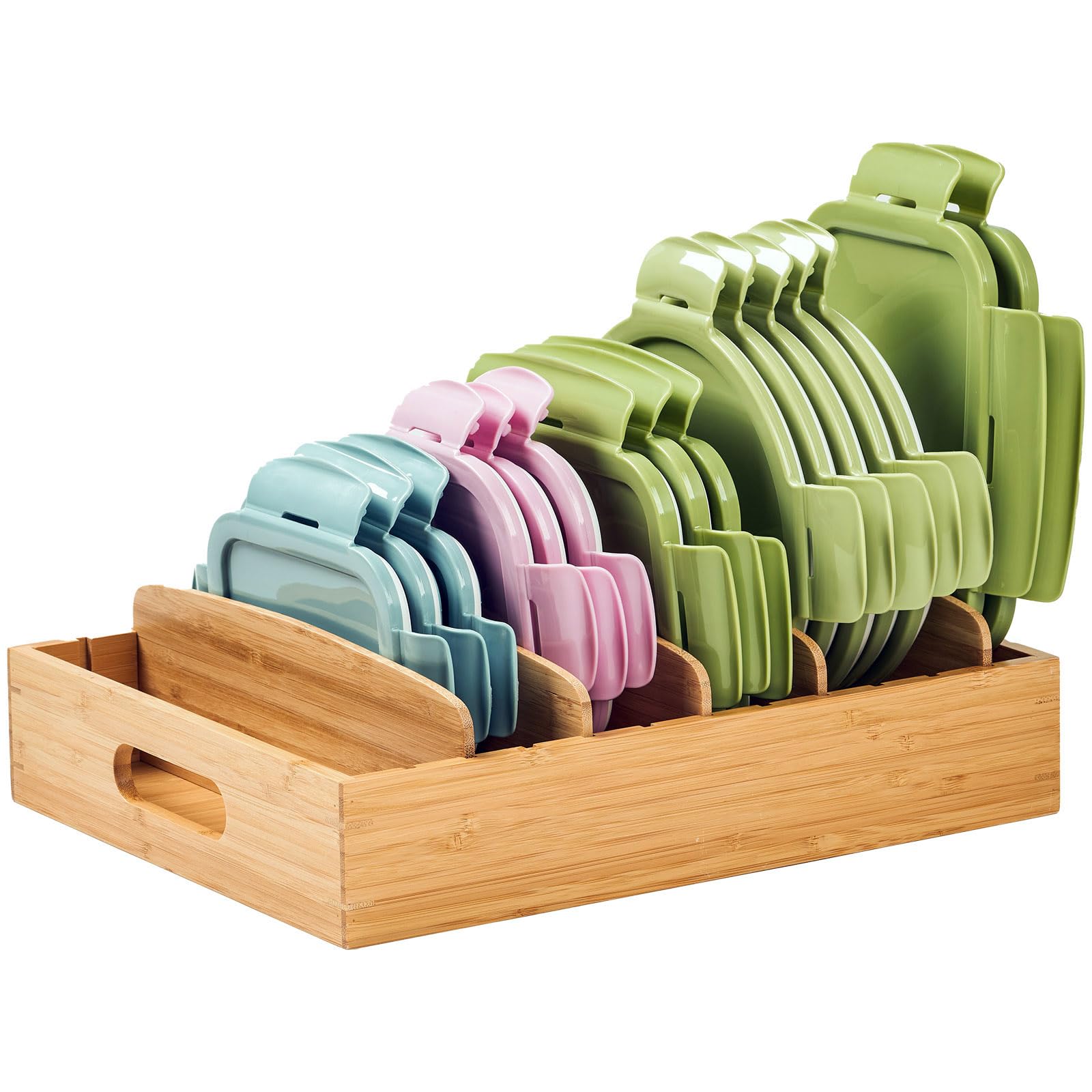
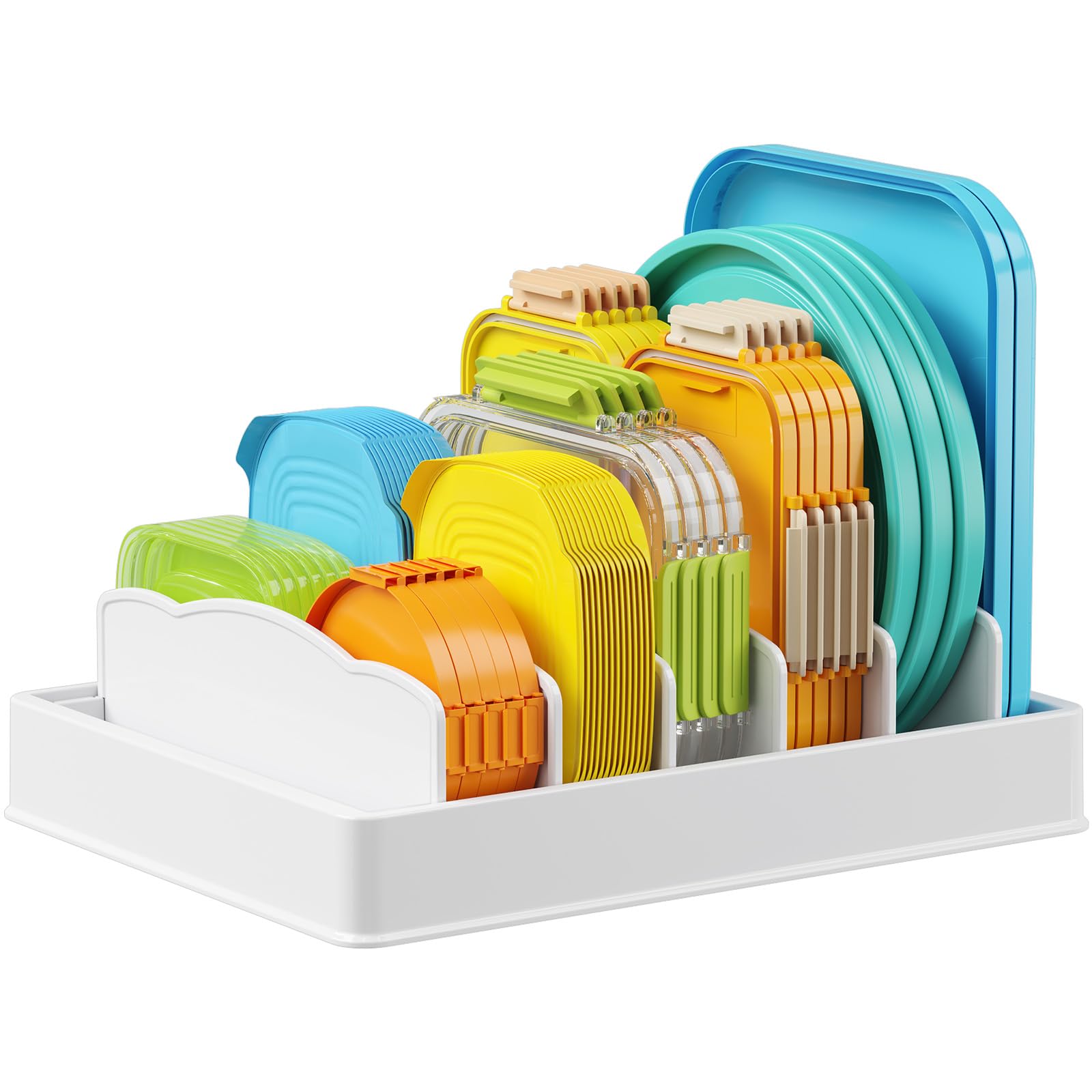
Container Lids Matched in Seconds
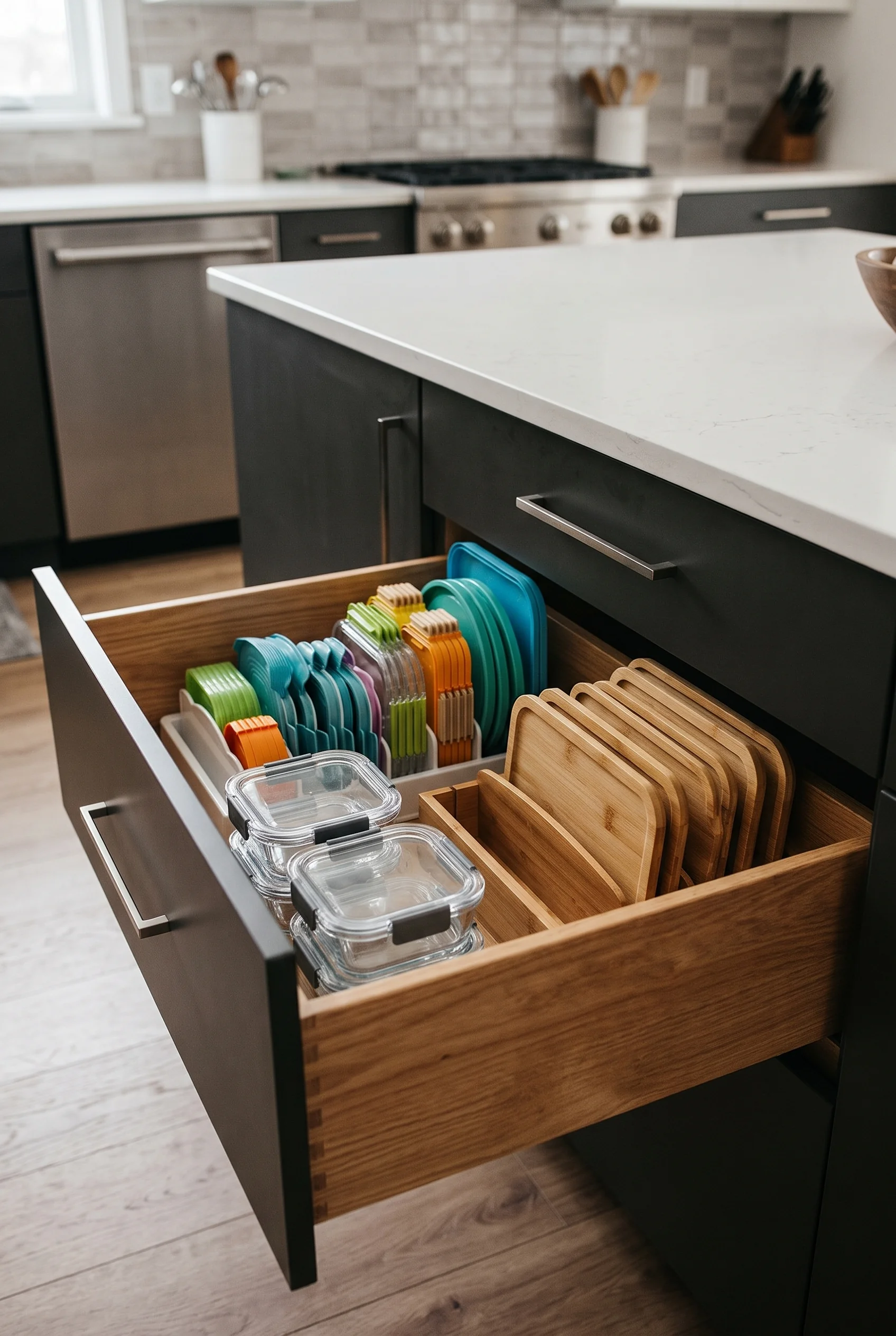
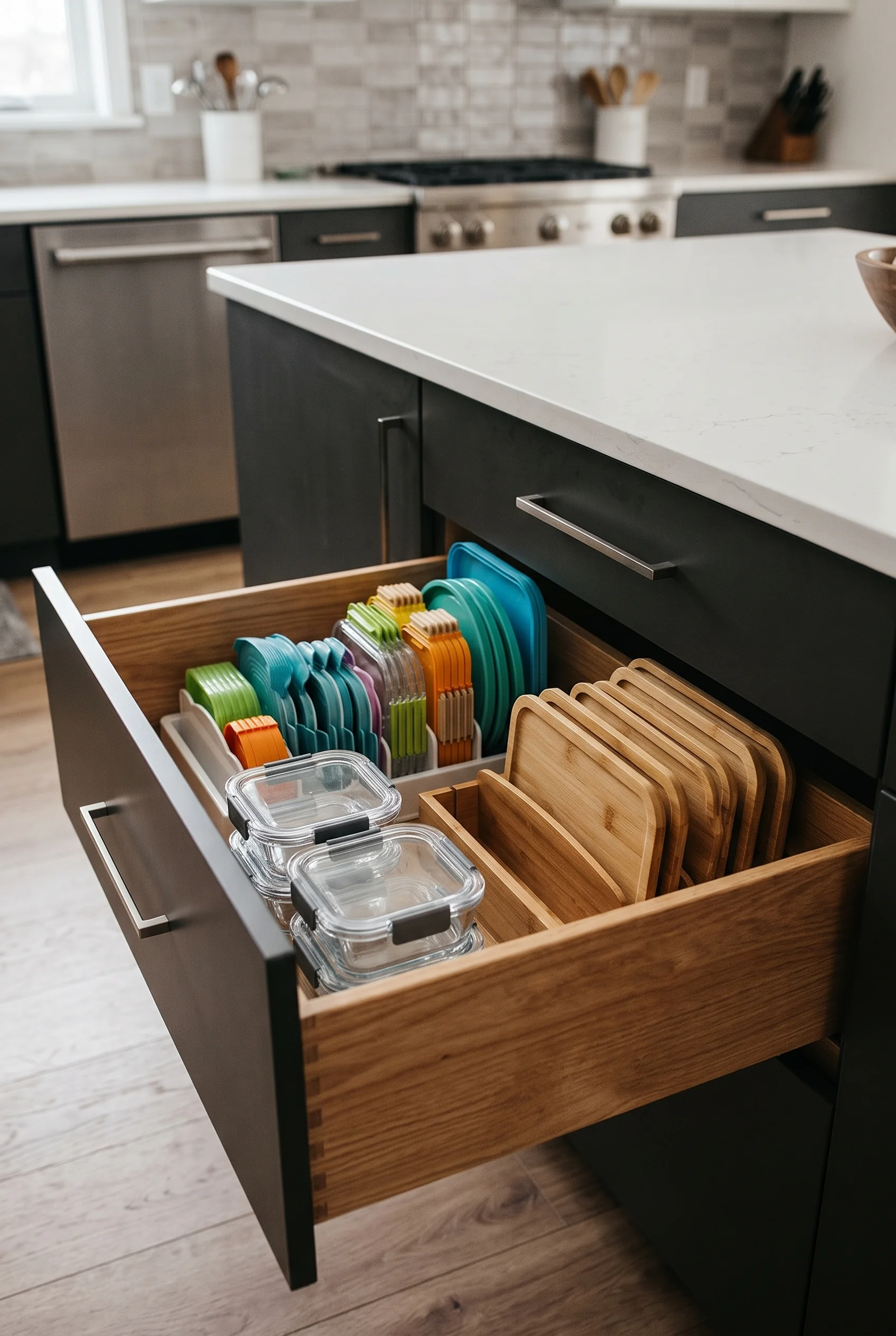
Every family has a drawer of mystery lids. The fix starts with filing them upright, like folders, in an organizer with adjustable dividers.
Standing lids are easy to flip through and match. Nest the containers by size right beside them, smallest inside largest, and the whole collection takes about half the space.
A missing lid becomes obvious immediately. Recycle any container without a partner. Glass containers with snap-on lids last for years and go from fridge to oven, so the set you keep is the set you actually use.

Dish Towels Off the Oven Handle
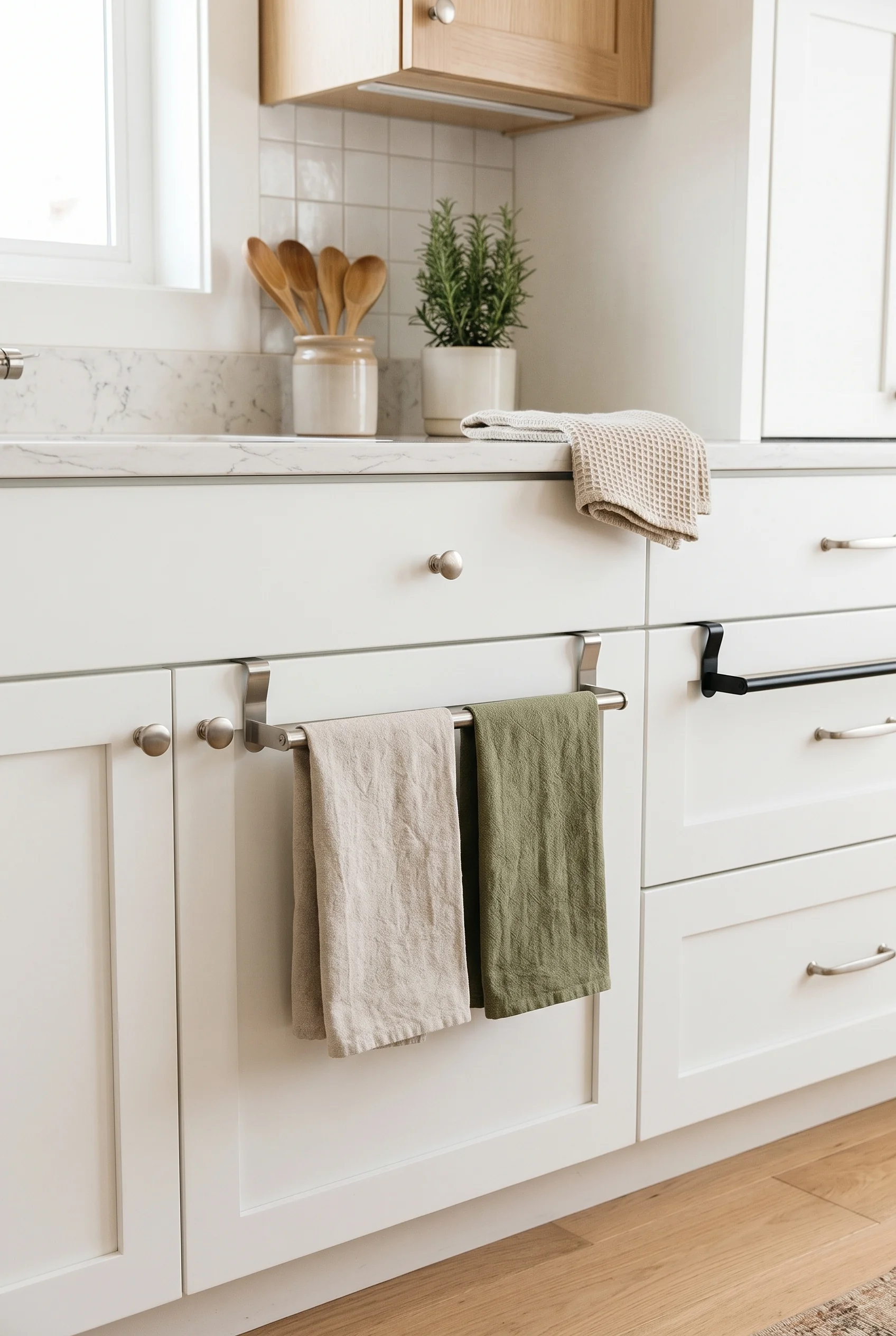
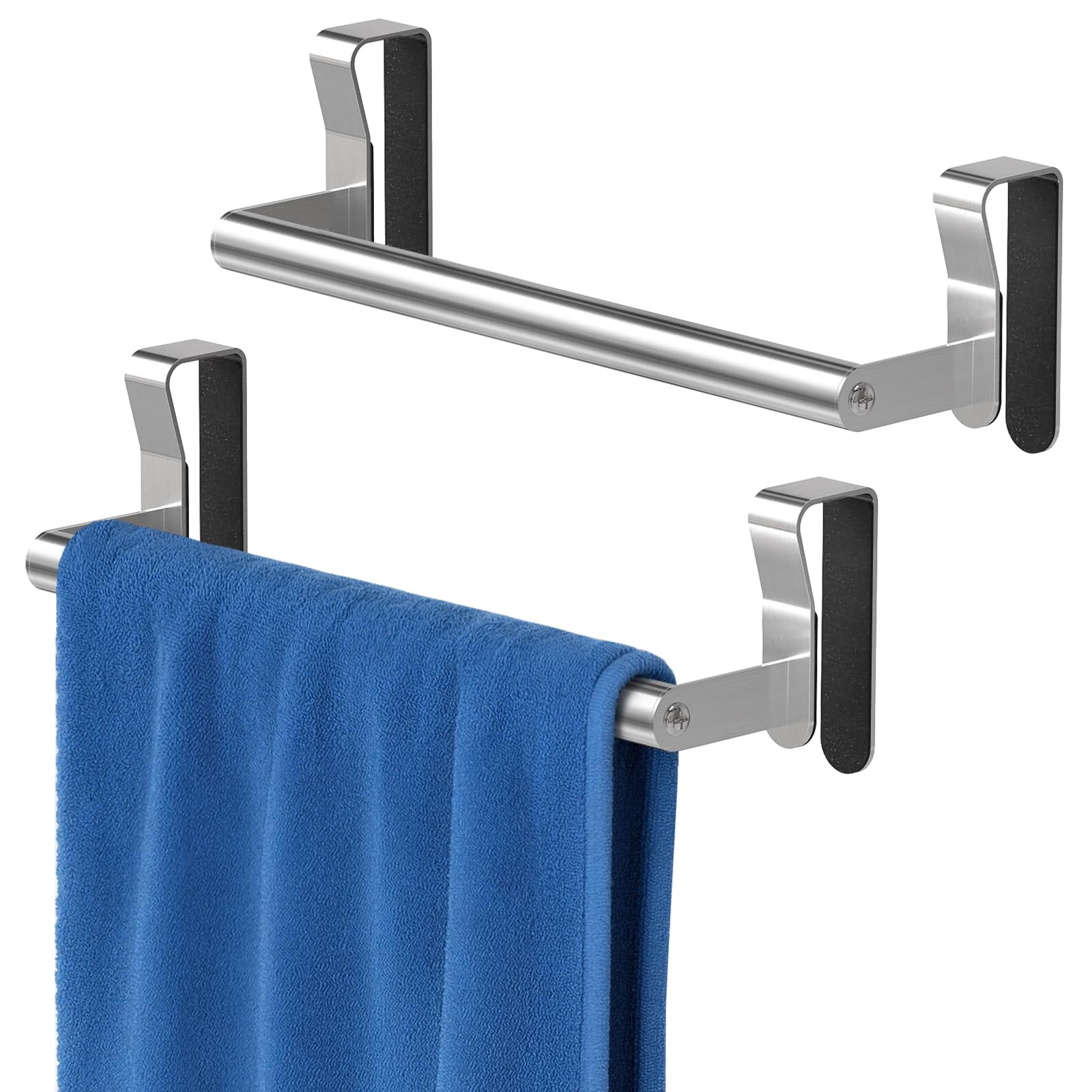
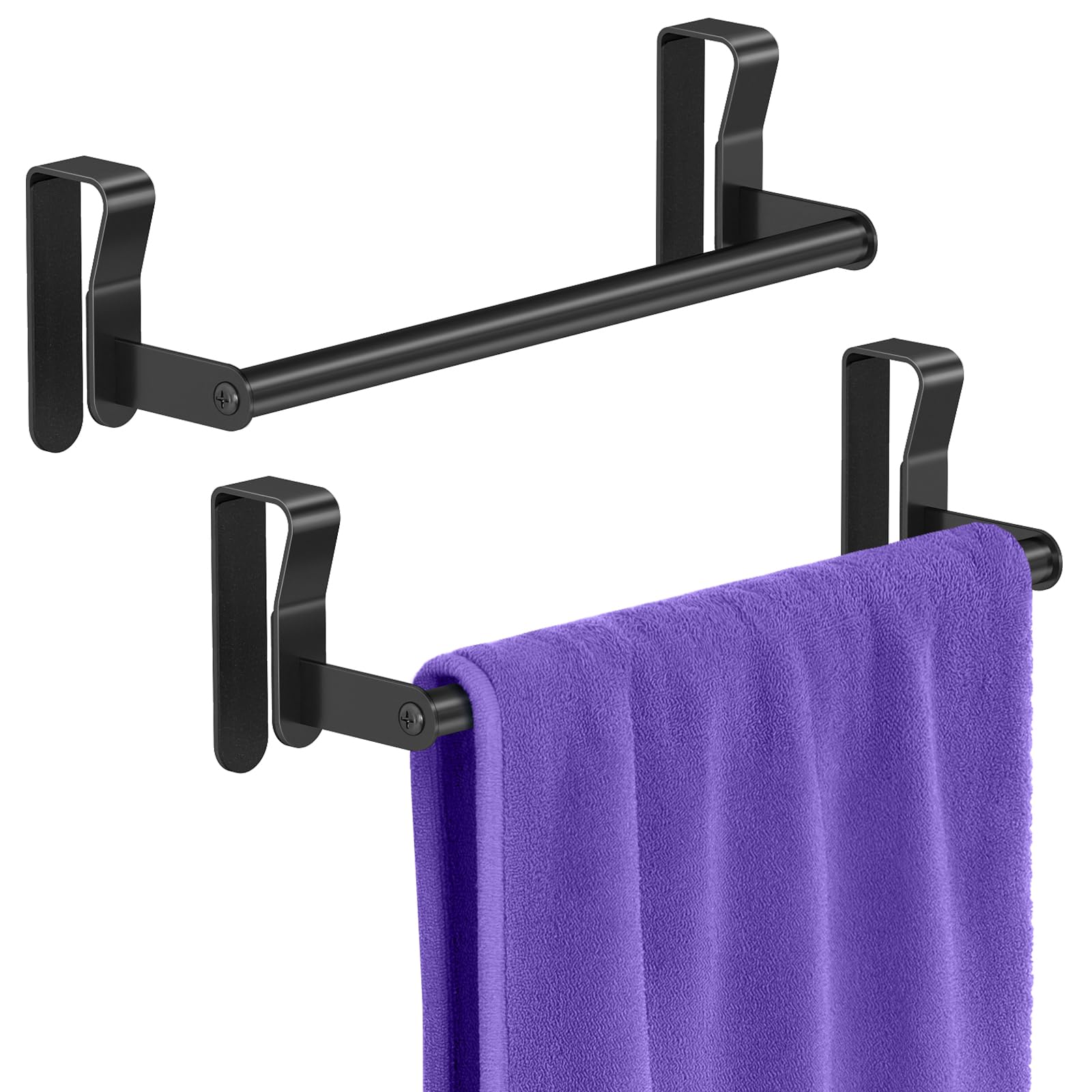
Towels draped over the oven handle or tossed on the counter always look a little untidy. An over-cabinet towel bar hooks onto a lower cabinet door and gives them a proper place to hang.
Hanging flat helps towels dry faster, which keeps that musty smell away between washes. Two side by side works well: one for hands, one for dishes.
These bars slip over the top of the door with no tools and no holes. Check your door thickness before ordering. A bar that matches your existing cabinet hardware reads as part of the kitchen, not an afterthought.
Paper Towels Within Reach, Off the Counter
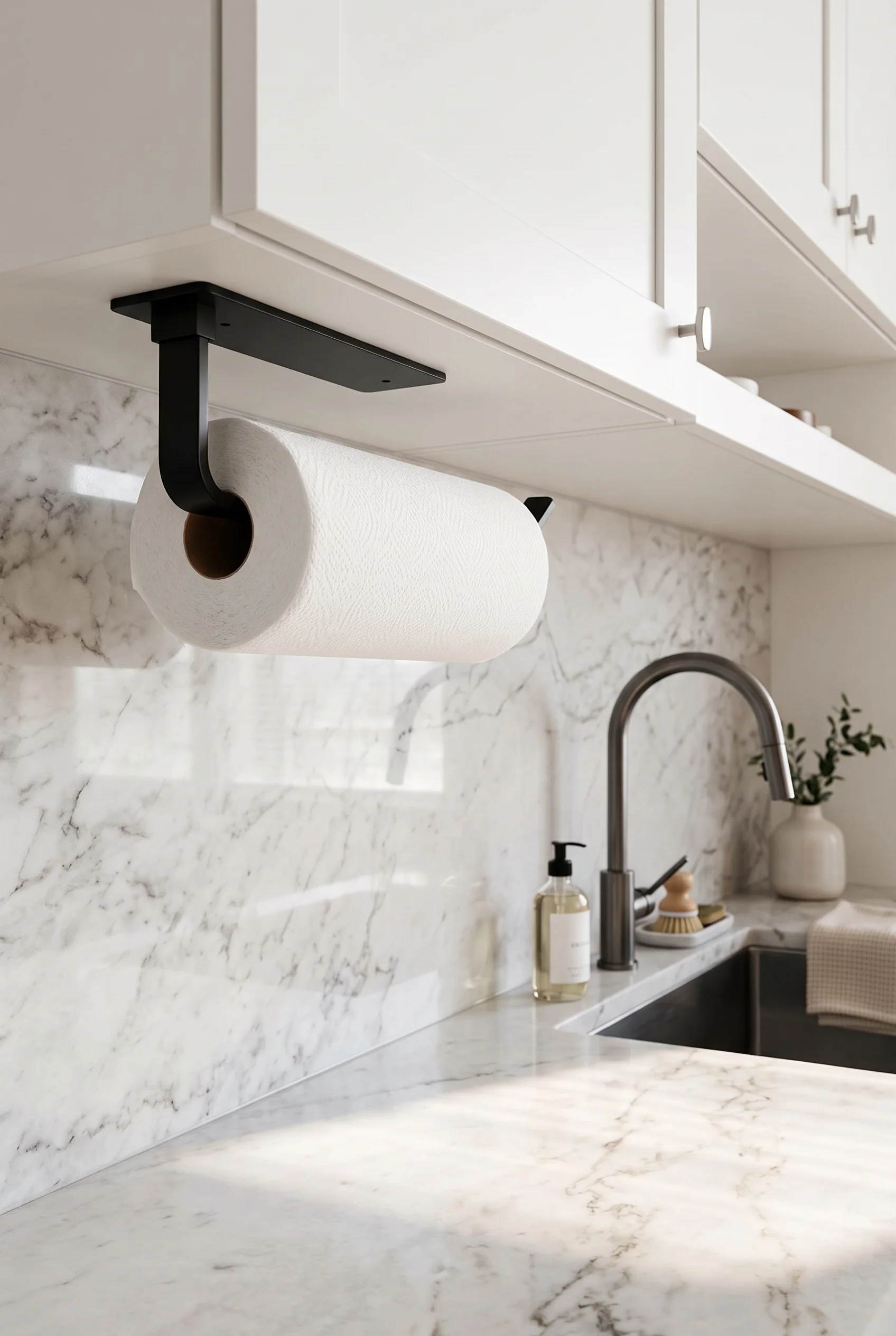
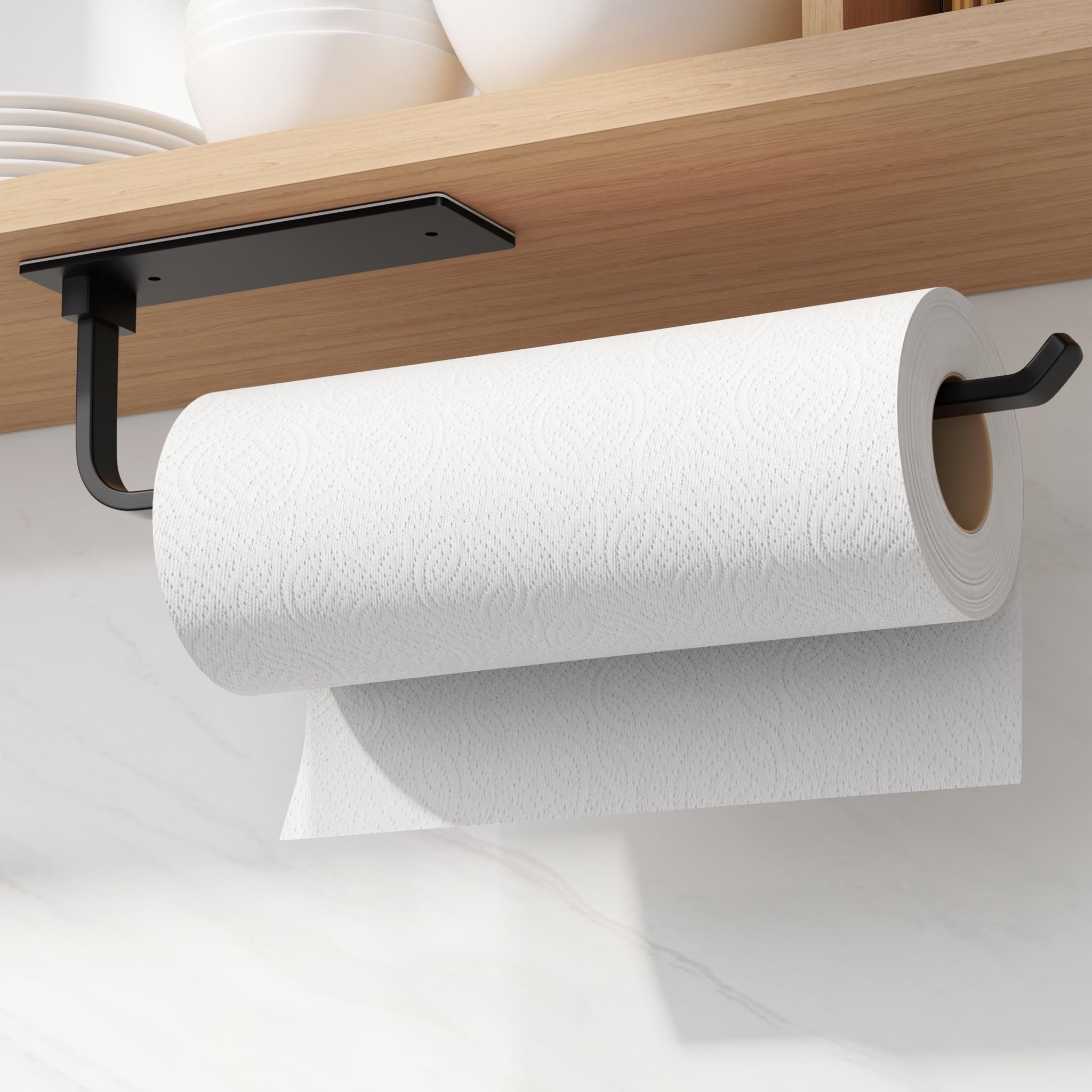
Mounted under the upper cabinet, a paper towel holder gives back the patch of counter a freestanding stand used to claim, right beside the sink where space is tightest.
The roll stays right where the messes happen. One hand tears a sheet while the other is still holding a dripping plate.
Adhesive models go up in a few minutes, while screw-in versions handle heavier rolls and daily tugging. Set it a few inches back from the cabinet edge so the roll is easy to grab and out of your sightline. It is a ten-minute change you notice at every meal.

A Drier, Tidier Sink Edge With One Caddy
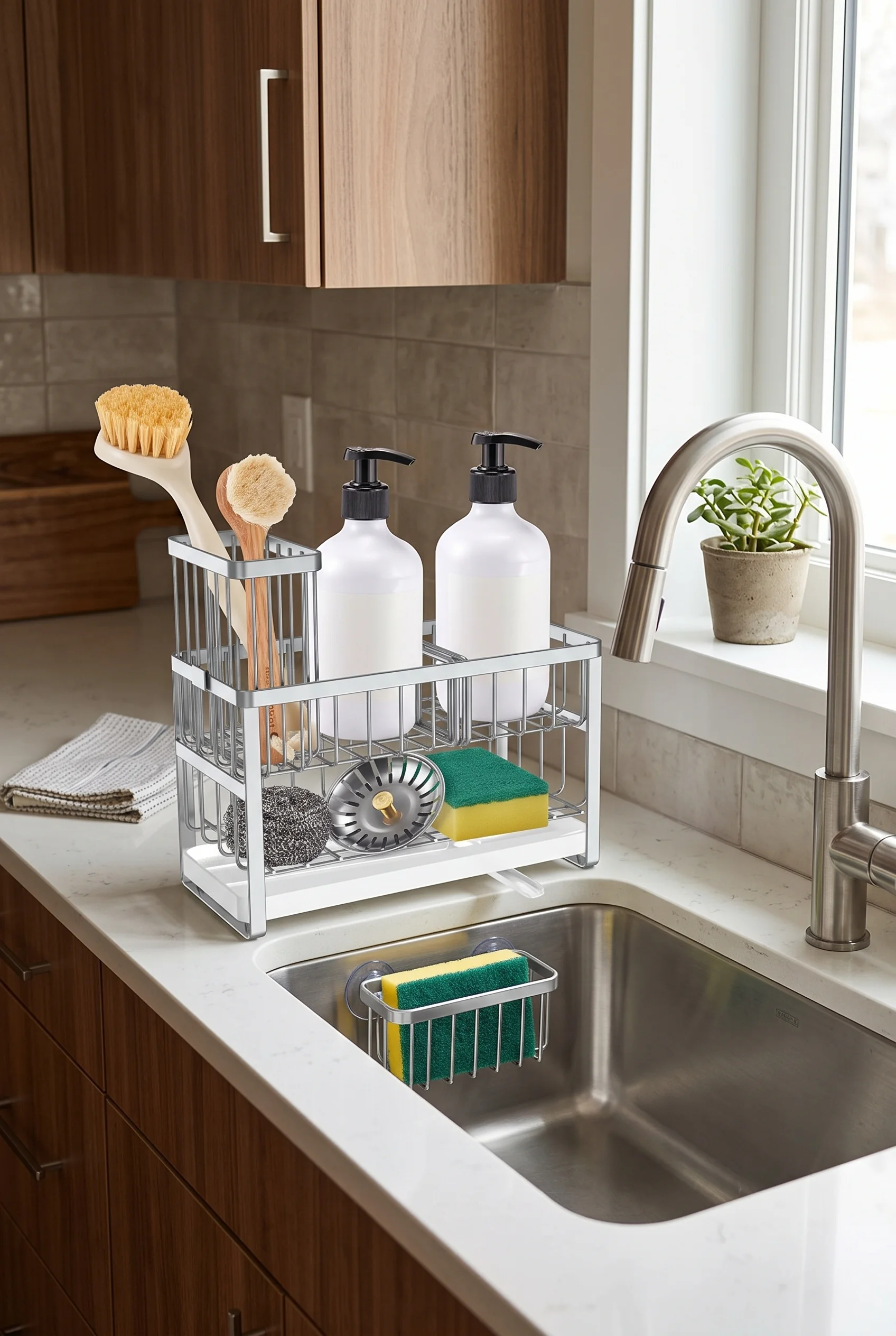
The edge of the sink collects a sponge, a brush, and a soap bottle, plus a puddle underneath all three. A sink caddy gathers them in one spot.
A drip tray matters most. It catches water before it reaches the counter, keeping the area dry and letting the sponge dry out between uses.
Separate slots for brushes keep bristles off the base, which is more hygienic. Rinse the tray once a week. A tidy sink makes the dishes feel a little less like a chore, and that small shift adds up after a busy family dinner.


A Pantry You Can Read at a Glance
A pantry works when you can see what is in it. Grocery lists become simpler, you avoid duplicate cans, and snacks stay fresh. These ideas use clear bins, the back of the door, and a narrow gap most kitchens ignore. Even a reach-in pantry or a single tall cabinet benefits, because visibility matters far more than square footage.
Categories in Clear Bins, Pulled Out Like Drawers
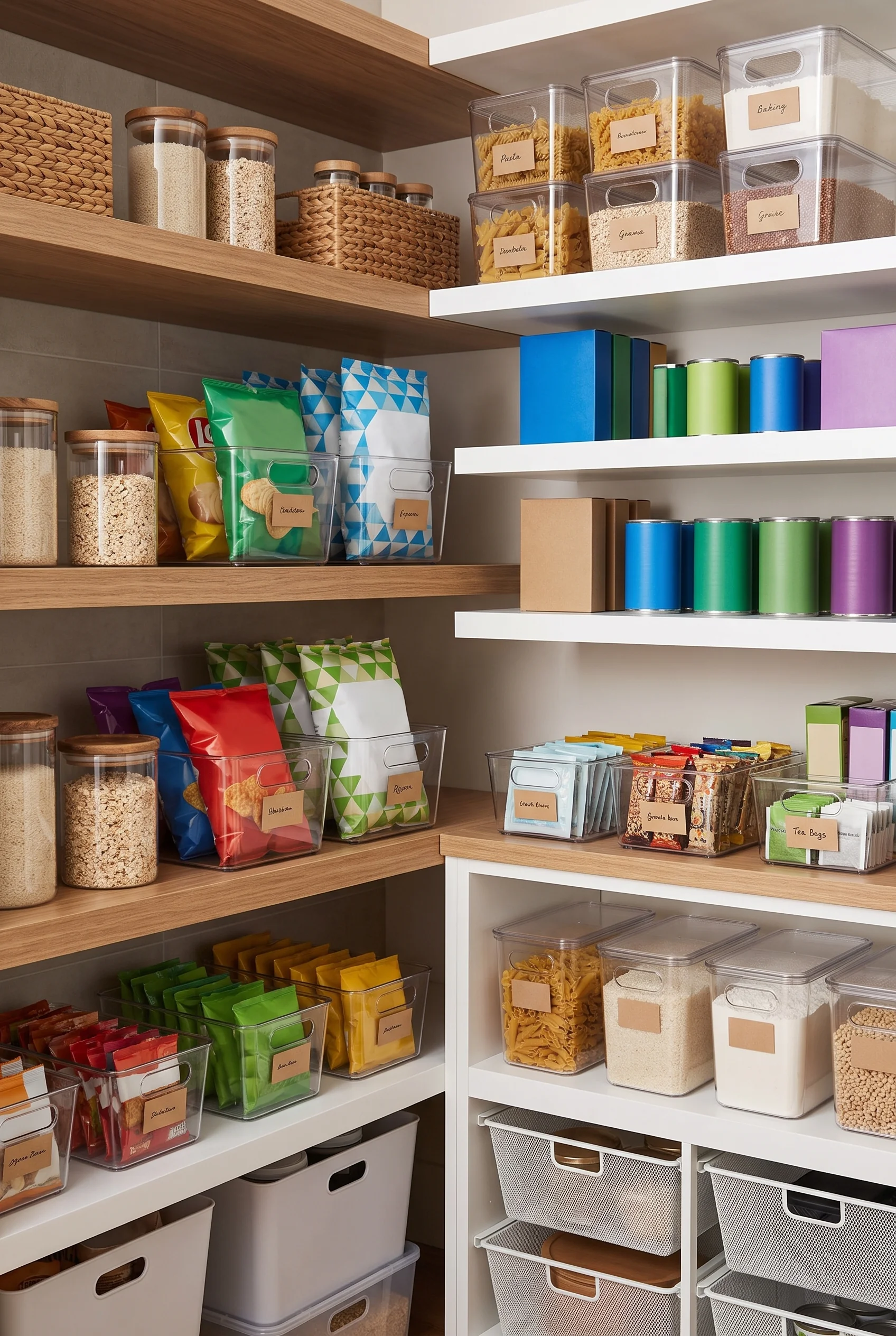
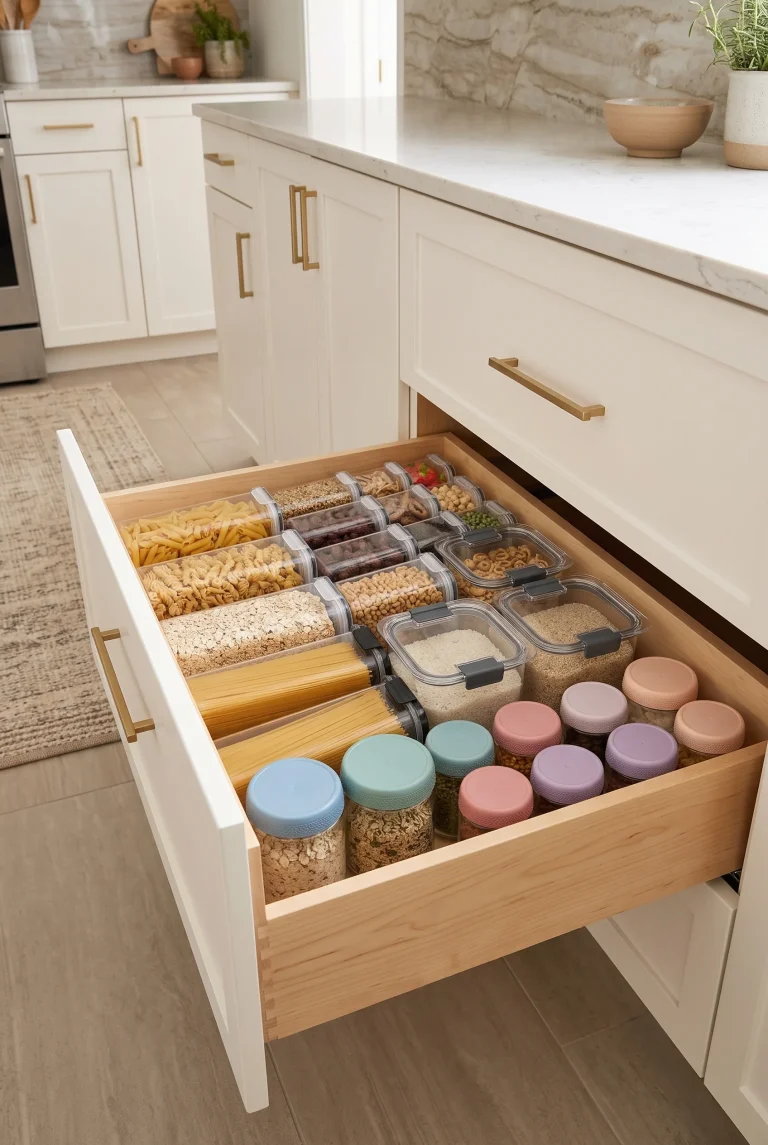
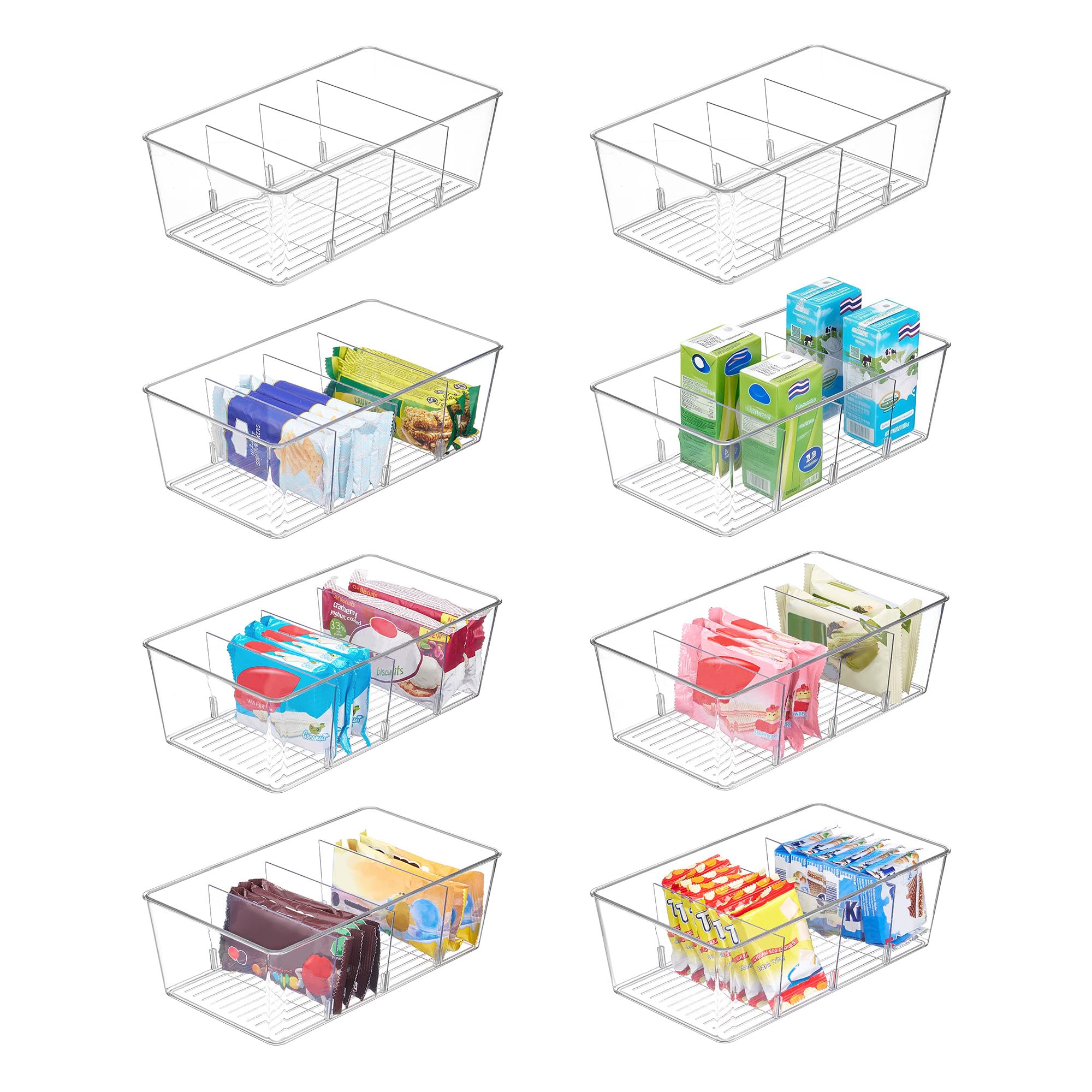
Clear bins serve two purposes. They group similar foods together and show you when a supply is running low before the box is empty.
Give each bin a single category, such as snacks, pasta or baking. A small label on the front helps everyone, kids included, put things back where they belong.
Bins with handles slide out like drawers, so reaching the back of a deep shelf no longer means unloading the front. Measure the shelf depth and choose bins that use most of it. Sorting this way helps declutter your home without throwing a single thing away.


The Pantry Door as Eye-Level Shelving
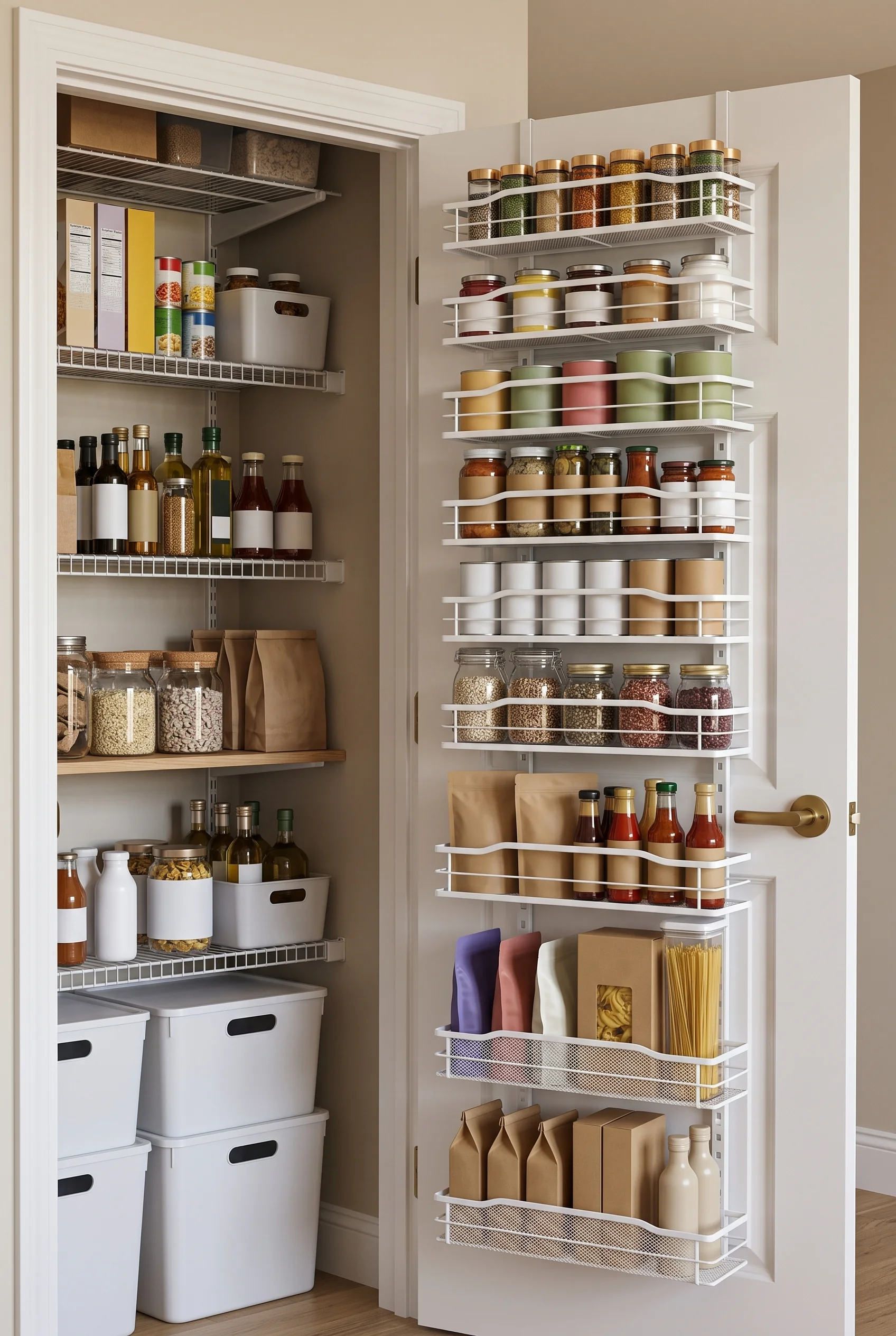
Spices, cans, and small jars get lost on deep shelves. The back of the pantry door holds them in shallow rows, with every label facing out.
An over-the-door organizer with adjustable baskets handles different heights, from short spice jars to tall sauce bottles. Most hang from hooks over the door, and some screw in for extra stability.
Group by use, keeping baking spices and sauces together. Kid snacks belong in a low basket they can reach on their own. A narrow model suits slimmer doors or a coat closet turned pantry, as long as the door still closes fully once loaded.


The Gap Beside the Fridge, Finally Useful
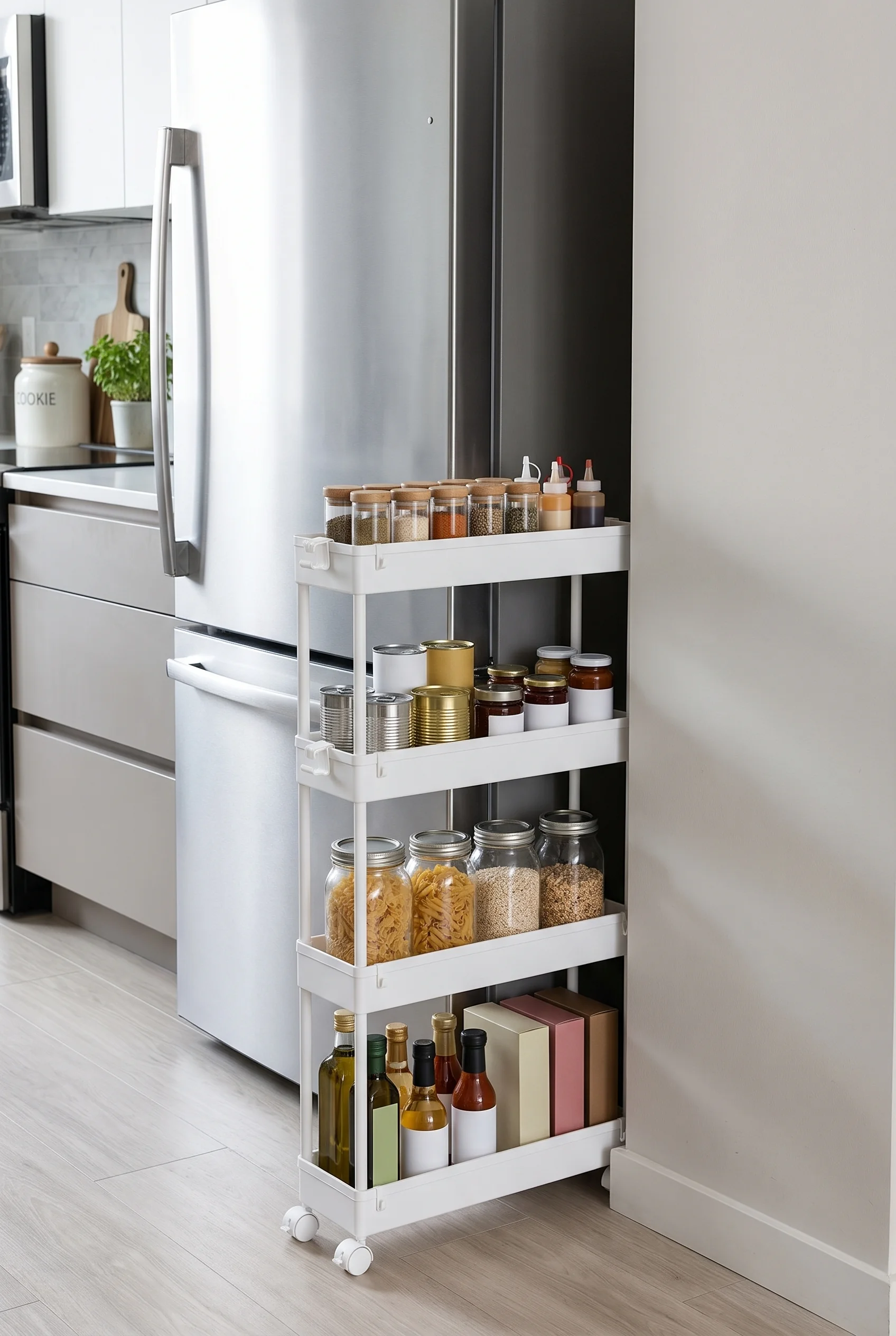
Almost every kitchen has a strip of wasted space beside the refrigerator. A slim rolling cart fits right into it, and some are barely five inches wide.
It holds the cans, spices, and bottles that never had a good home. Roll it out to grab what you need and push it back when you are done, and it all but vanishes.
Size the cart to the gap at its narrowest point, minus a little room for wheels and fingers. Heavier items belong on the bottom tier so the cart rolls steadily. A compact kitchen feels like it gained a whole cabinet.

Bathroom Storage That Works Around Real Life
Bathrooms are small, damp, and shared, making them clutter magnets. Toiletries multiply, towels land on the floor, and every flat surface collects bottles. The answer is storage that fits awkward spots like around plumbing, beside the toilet, and on bare tile. None of these ideas requires a renovation, and they all work in rentals, so a calmer morning routine is just an afternoon away.
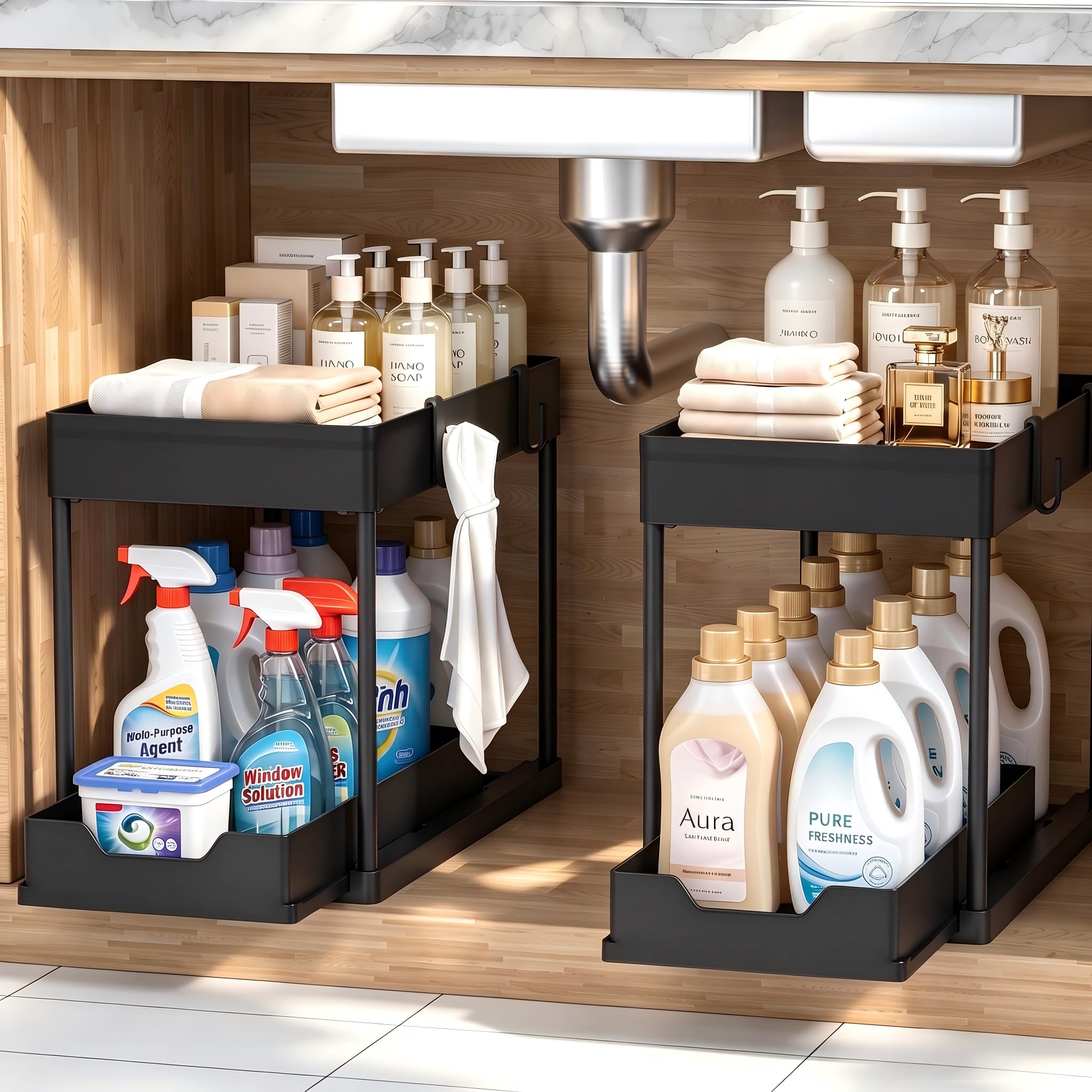
Under-Sink Storage That Works Around the Pipes
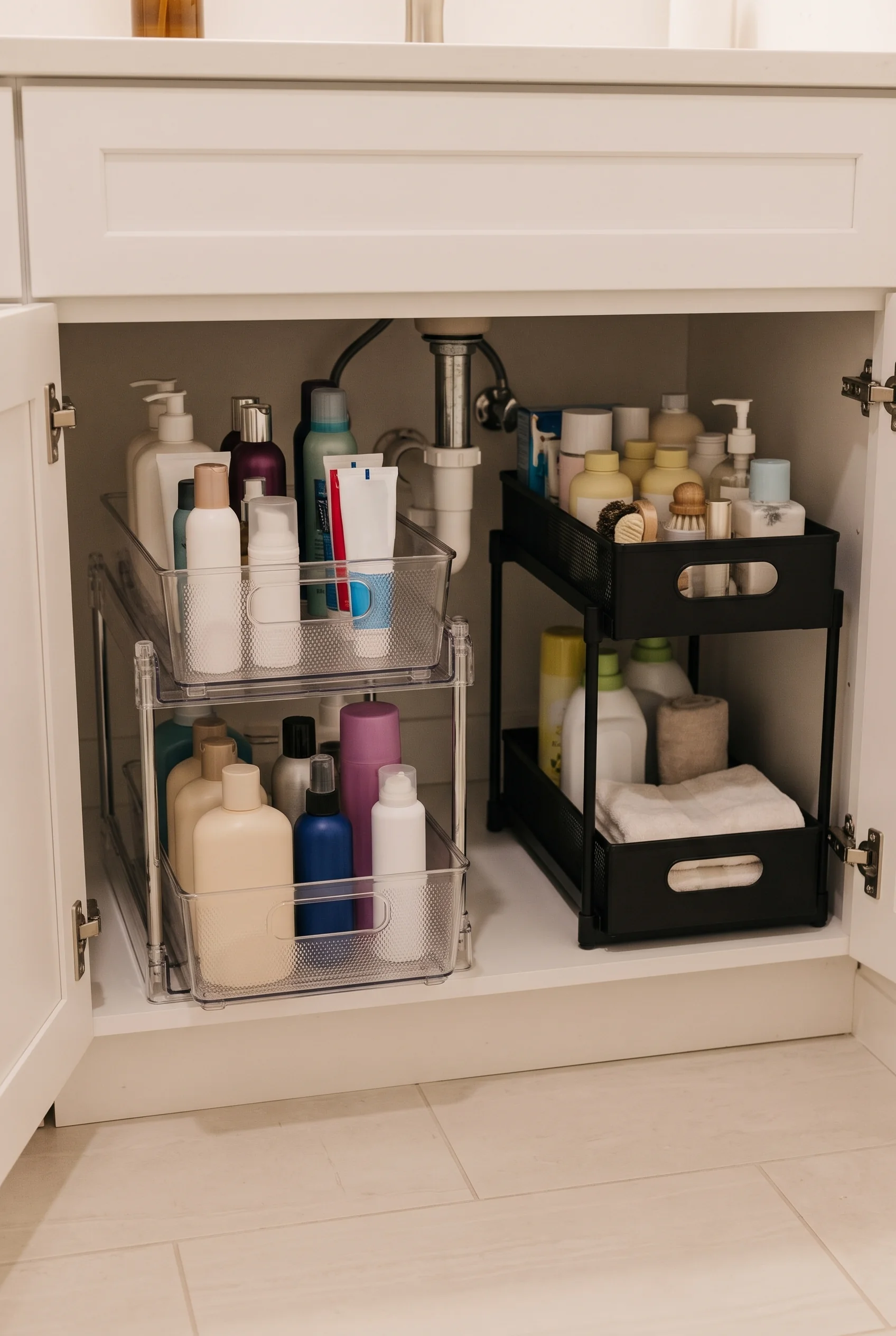
The cabinet under the bathroom sink is usually a jumble of tipped-over bottles. Plumbing splits the space, so a single shelf rarely fits.
Two-tier pull-out organizers are made for exactly this. They sit on either side of the pipes and slide forward, so you don’t have to shuffle things to reach the back.
Sort by category: hair, skin, and cleaning supplies. Clear bins show what’s inside at a glance, so you notice spare toothpaste running low before it runs out. A little breathing room around the pipes keeps the way clear if a plumber ever needs to get in.

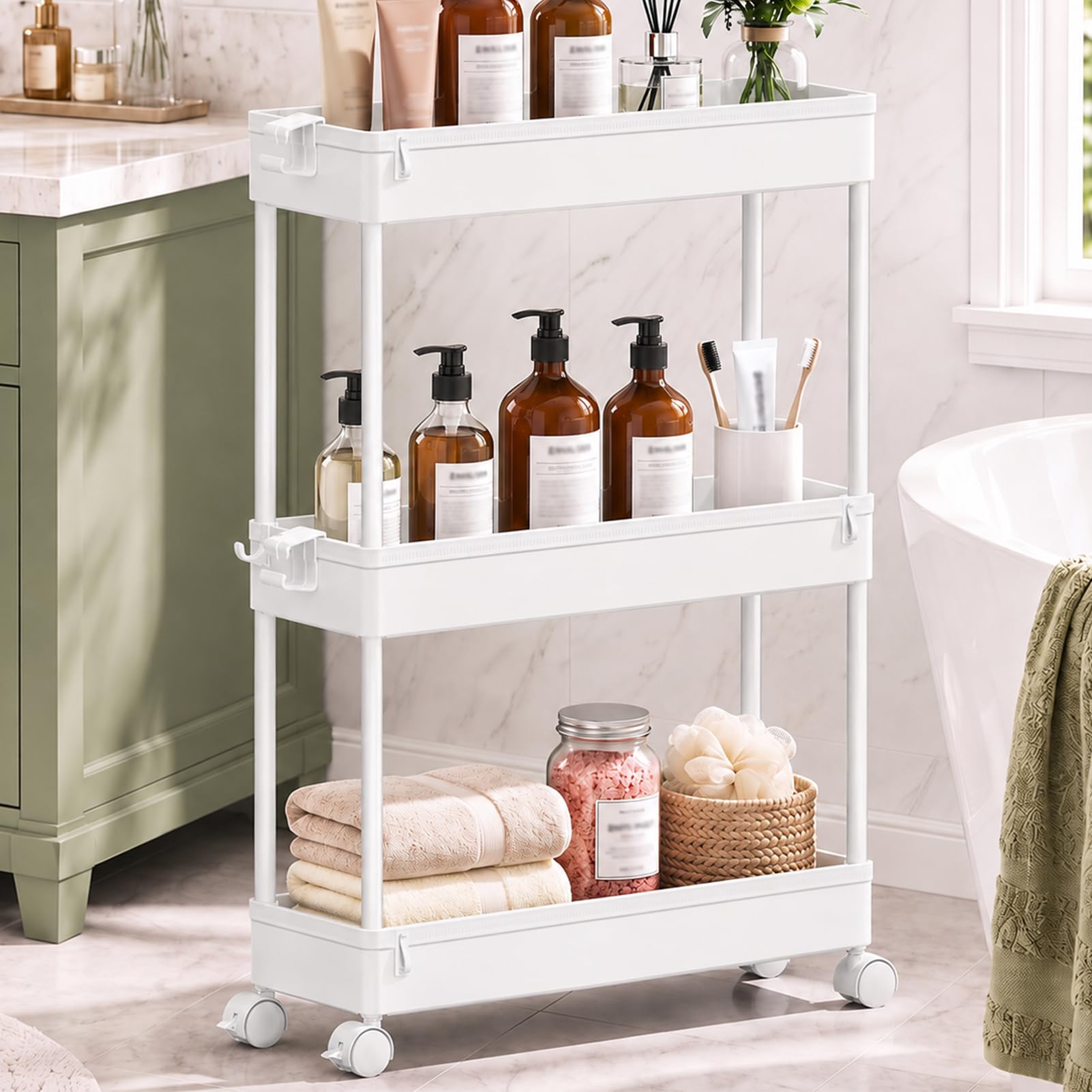
A Linen Closet Hiding Beside the Toilet
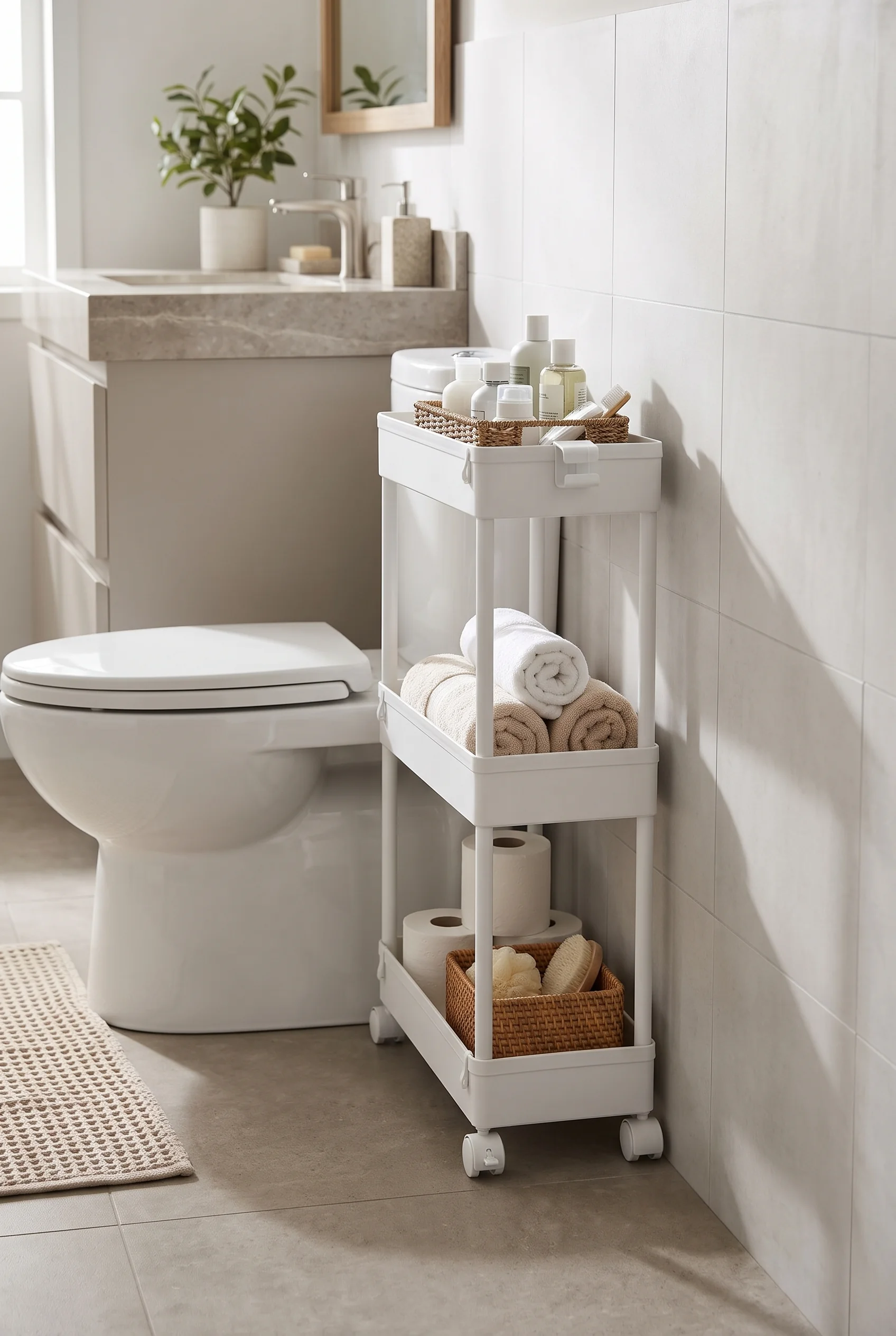
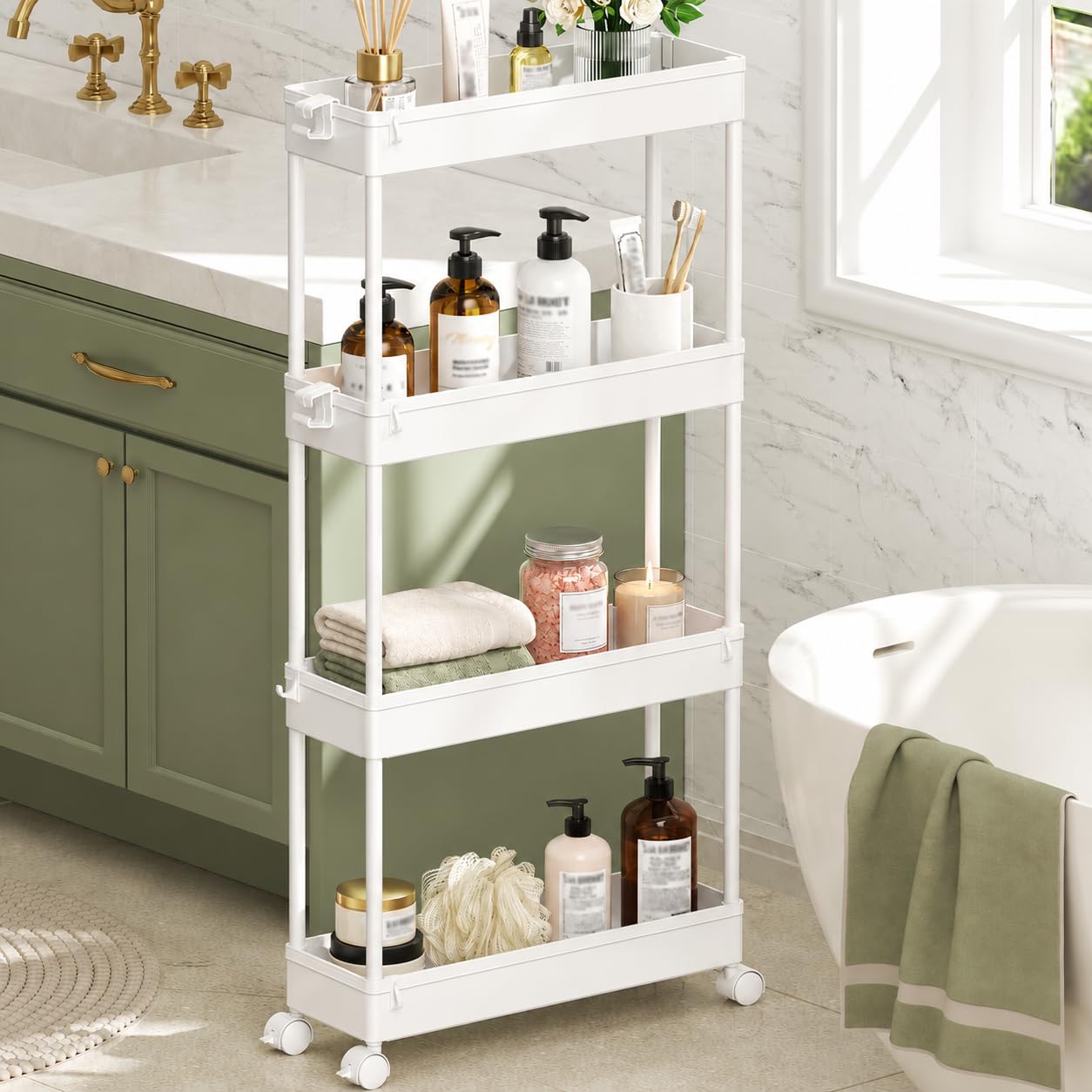
Bathrooms rarely have a linen closet nearby. A narrow rolling cart tucked into the gap beside the toilet becomes one.
Shallow tiers are just deep enough for spare rolls and hand towels, so guests can find what they need without asking.
Wheels are the feature that often goes unnoticed. Roll the cart out to clean behind the toilet, then slide it back in seconds. A cart close to the height of the tank sits neatly without looking like an add-on, and a basket on the top tier keeps tiny bottles from tipping over.
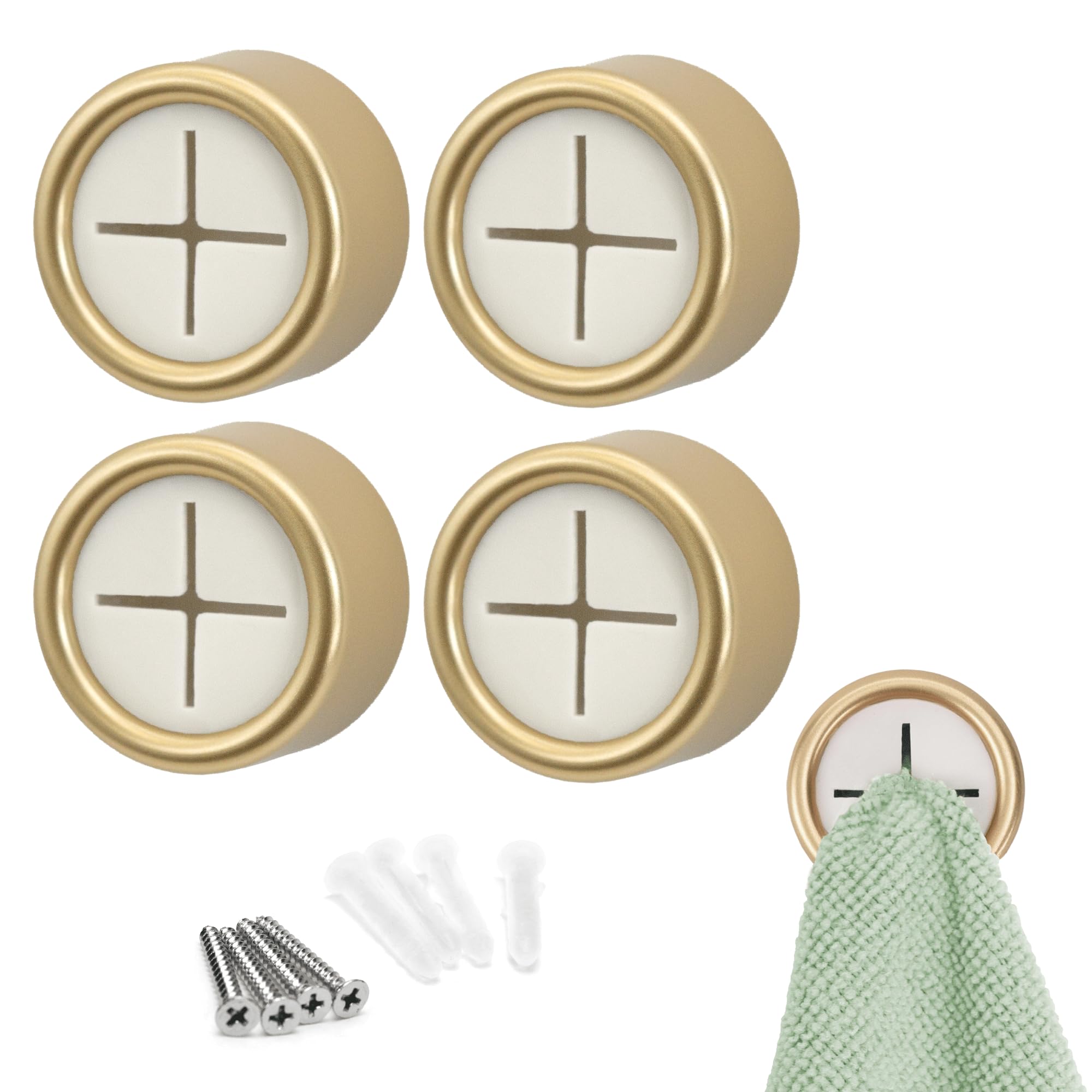
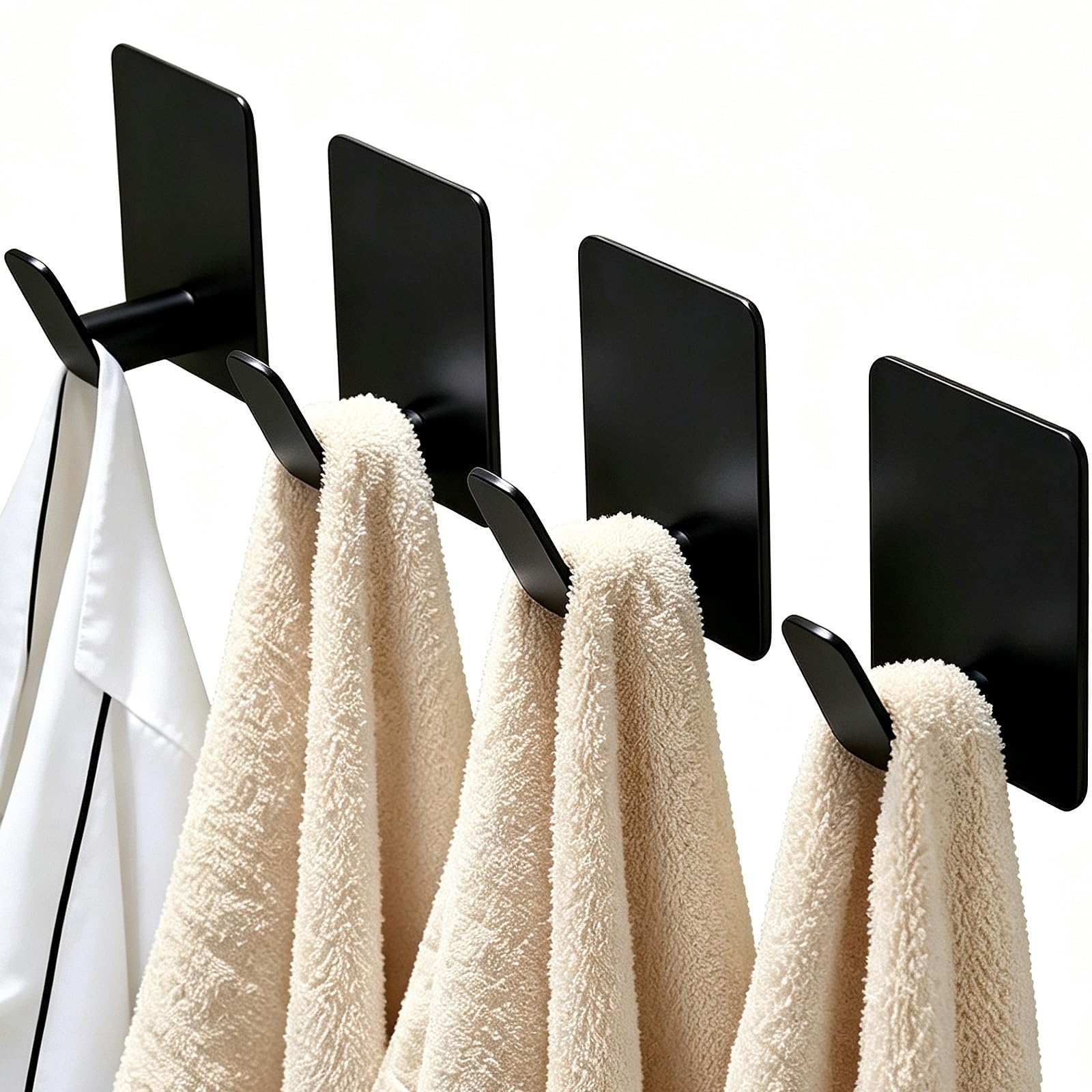
A Hook for Every Towel and Robe
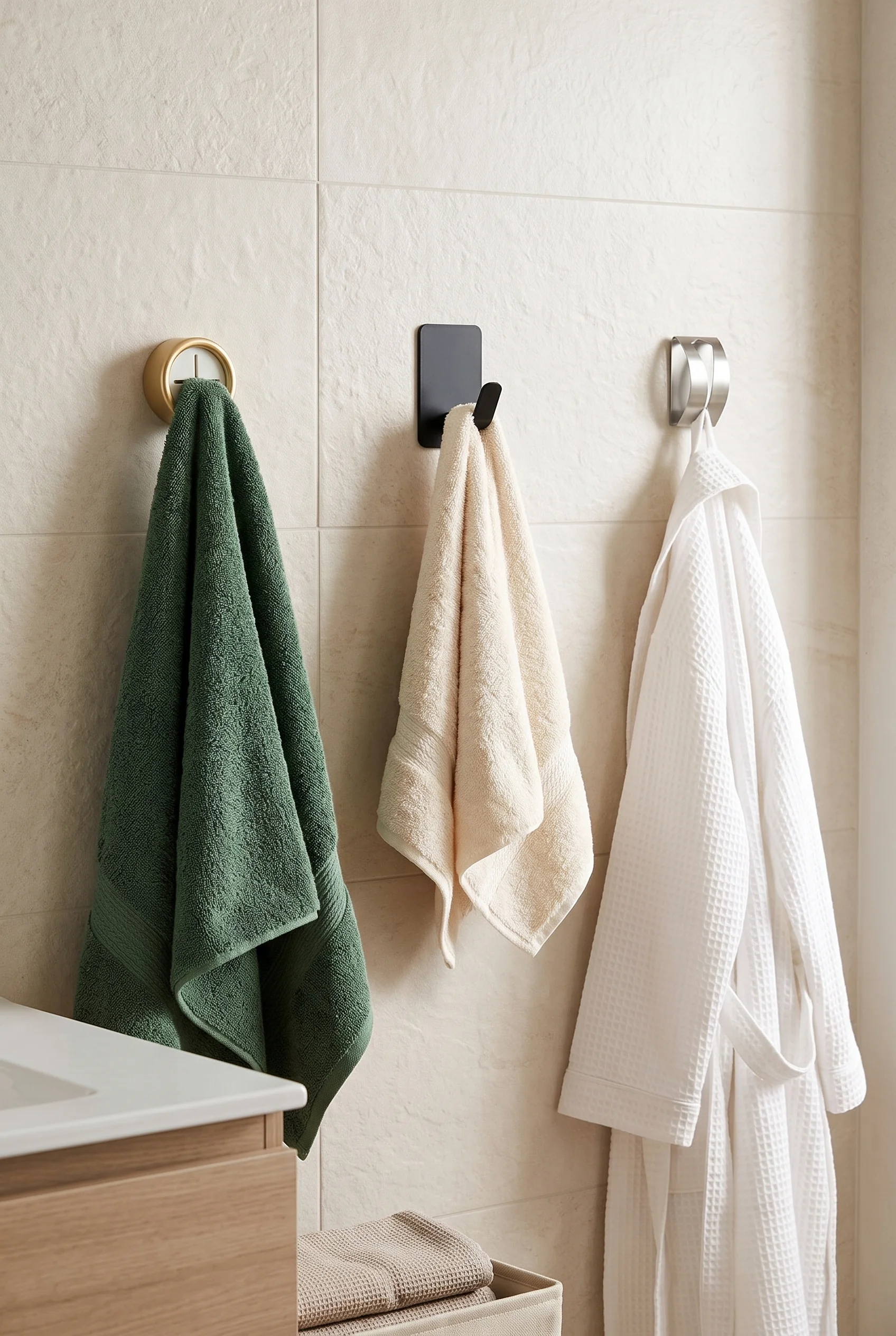
A single towel bar can only hold so much before everything starts sliding off. Individual hooks give each towel or robe its own spot, and things dry faster when they are not bunched together.
Assign one hook per person. Kids are far more likely to hang up a towel when they know exactly which hook is theirs.
On tile, adhesive hooks hold without drilling, which matters in a rental or a freshly finished bathroom. Clean the surface with rubbing alcohol first, then wait a day before hanging anything heavy. Spaced about a towel’s width apart, each one hangs on its own without overlapping.

Bedroom and Office Corners That Do More
The last four ideas cover the rooms that usually get organized last. These pieces might sound unrelated, but they share one thread: each one takes on a second job. A nightstand that charges, a sofa that sleeps, a cart that hides in a gap.
When furniture works harder, rooms feel bigger and simpler to keep tidy. Fewer pieces also mean fewer surfaces for clutter to settle on.
A Nightstand That Ends the Cord Tangle
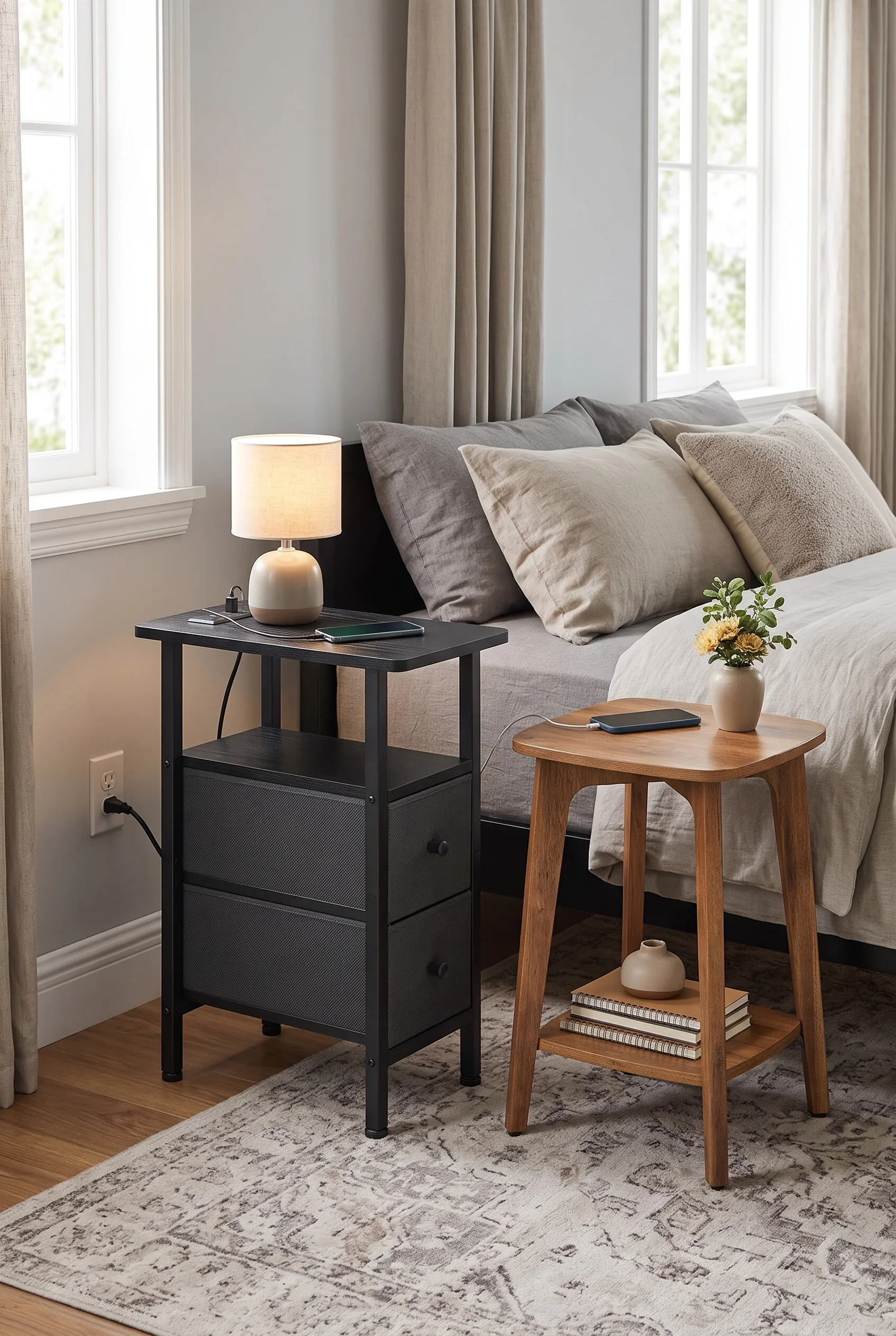
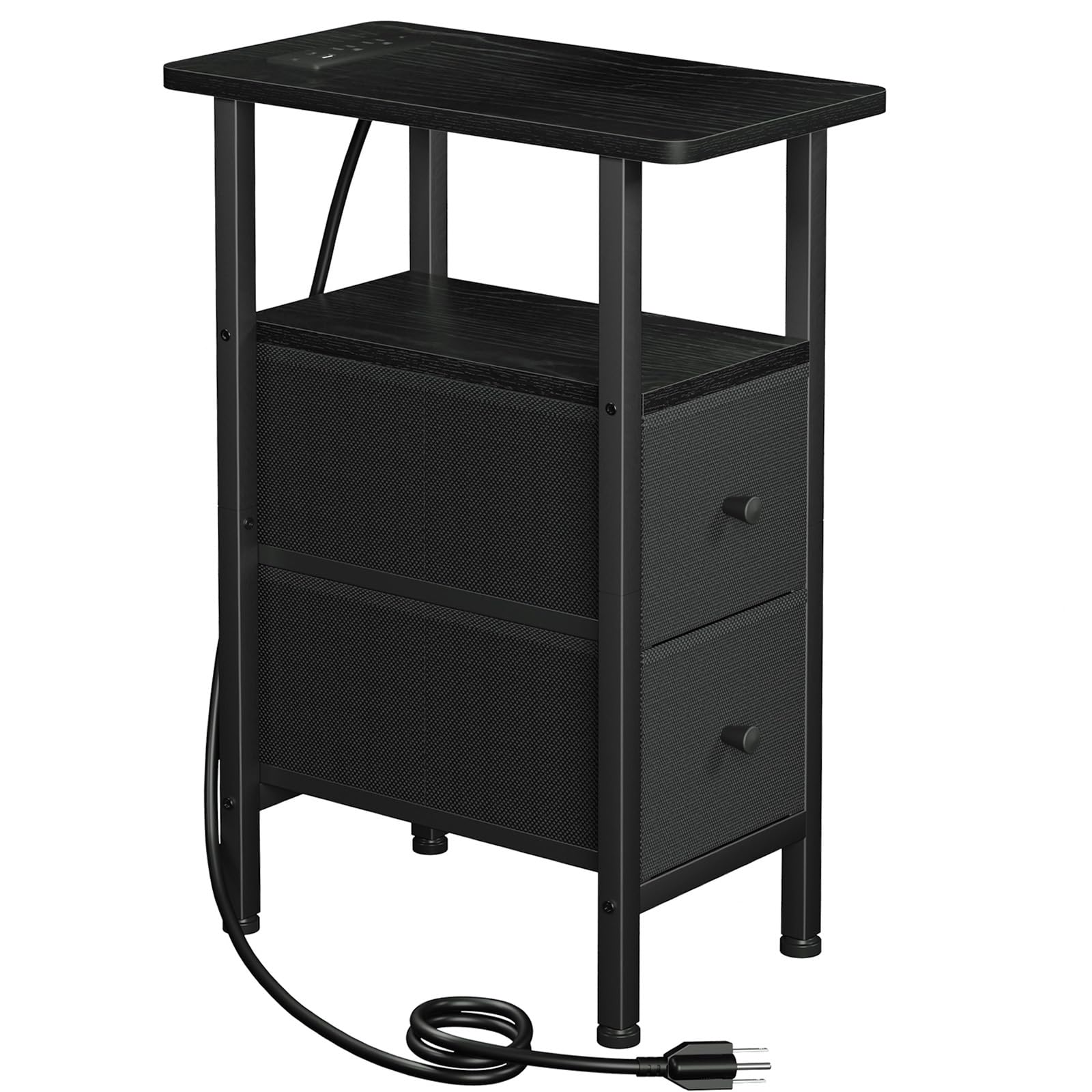
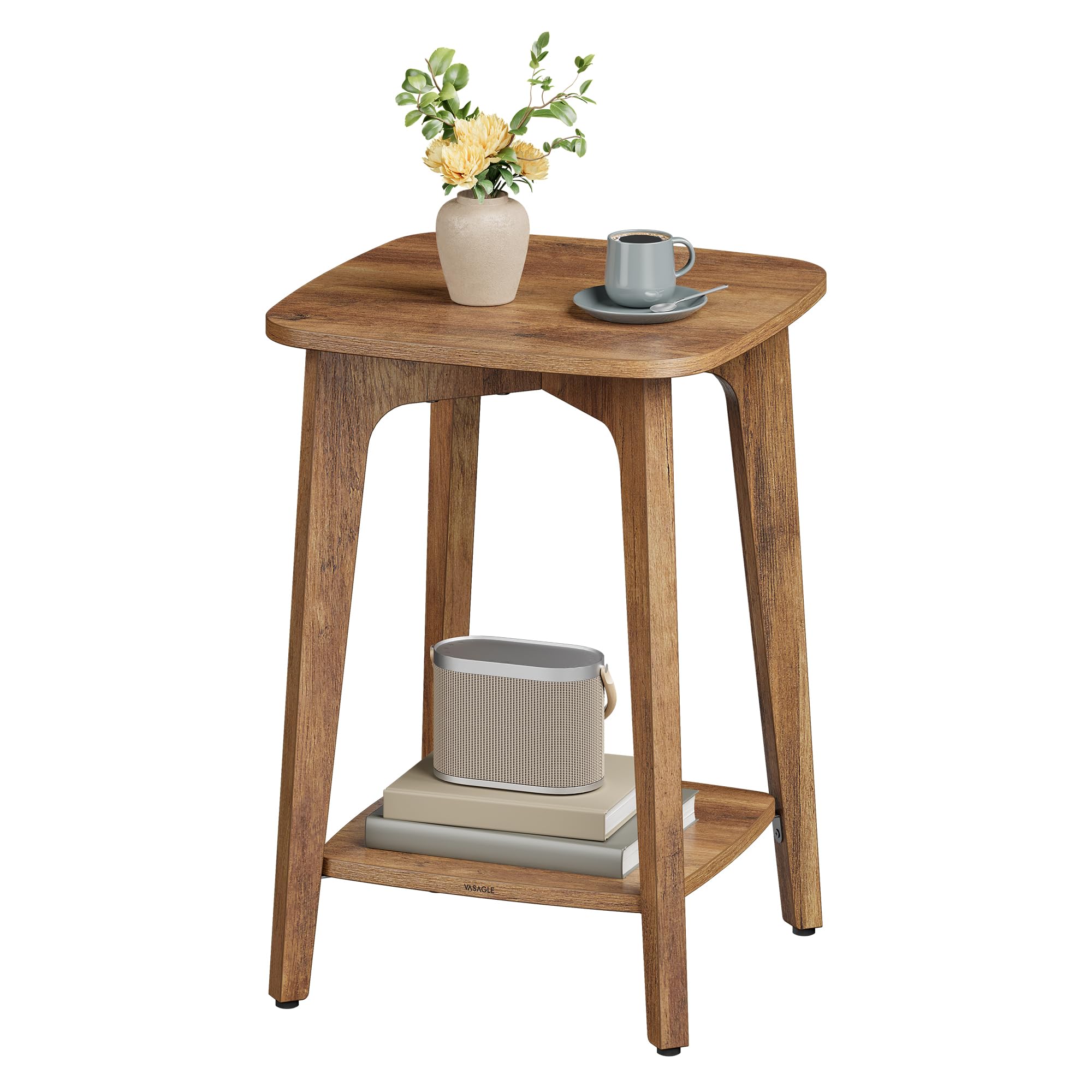
Bedside tables become charging stations by accident, with cords draped across the floor and a power strip wedged behind the bed. A nightstand with a built-in charging station brings it all together in one tidy spot.
Plug it into the wall once, and phones, watches, and the lamp all draw power from it.
Drawers or fabric bins underneath hide the rest, like lotion, reading glasses, and the book you are halfway through. Leave only a lamp on top. Ending the day beside a clear nightstand feels noticeably more restful than ending it next to a pile.
One Room, Two Jobs, Thanks to a Sofa Bed
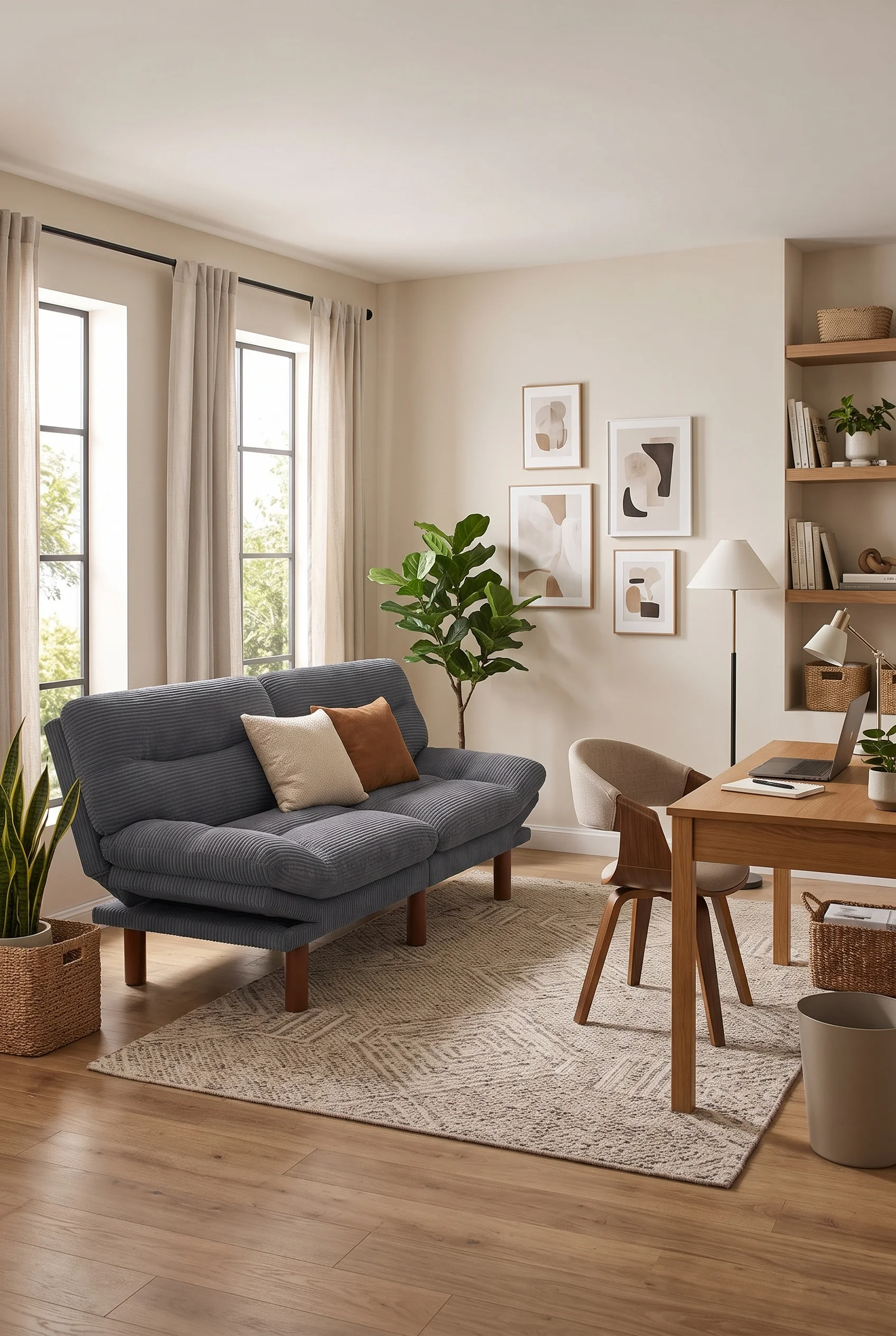
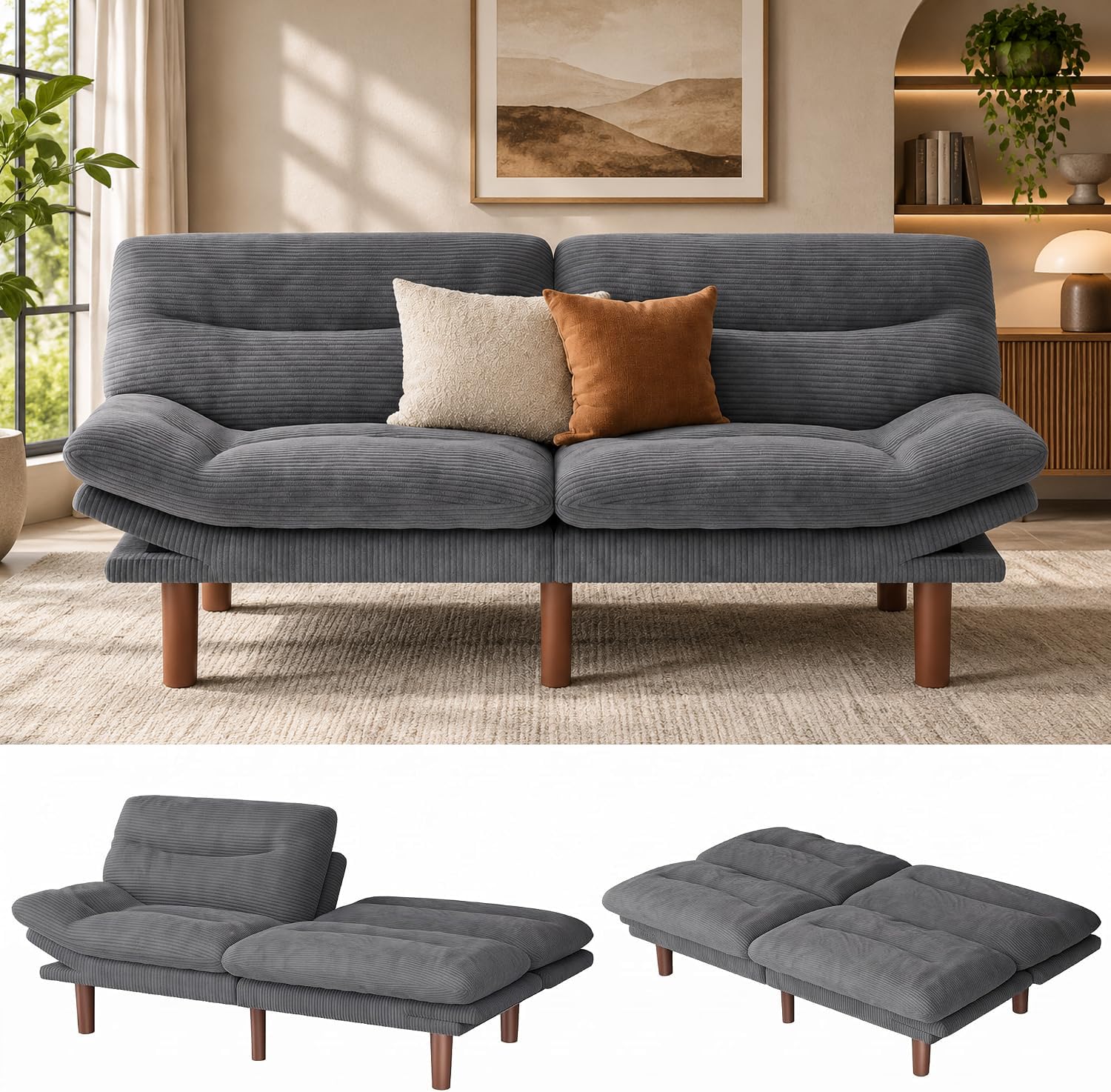
A guest bed that sits empty most of the year takes a lot of room for very little use. A convertible sofa bed lets one space work as an office day to day and a guest room when family visits.
Folded up, it is a comfortable seat for reading or taking a call. Folded down, it sleeps a guest without anyone having to dig out an air mattress.
Pick a size that still leaves room to walk around when it is flat. Keep spare sheets in a lidded basket nearby so setup takes five minutes. The room earns its square footage all year long.
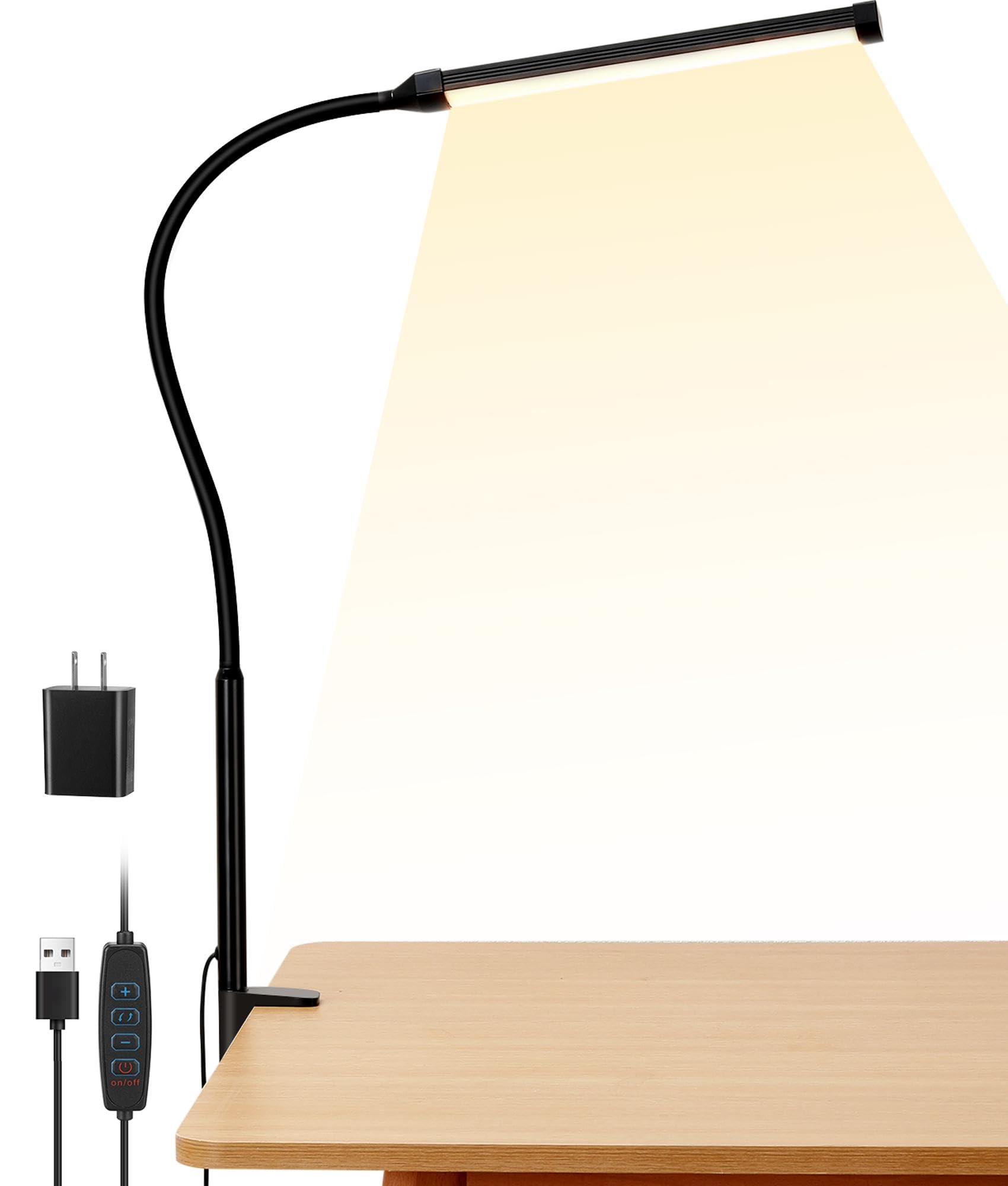
A Clamp Lamp That Frees the Whole Desk
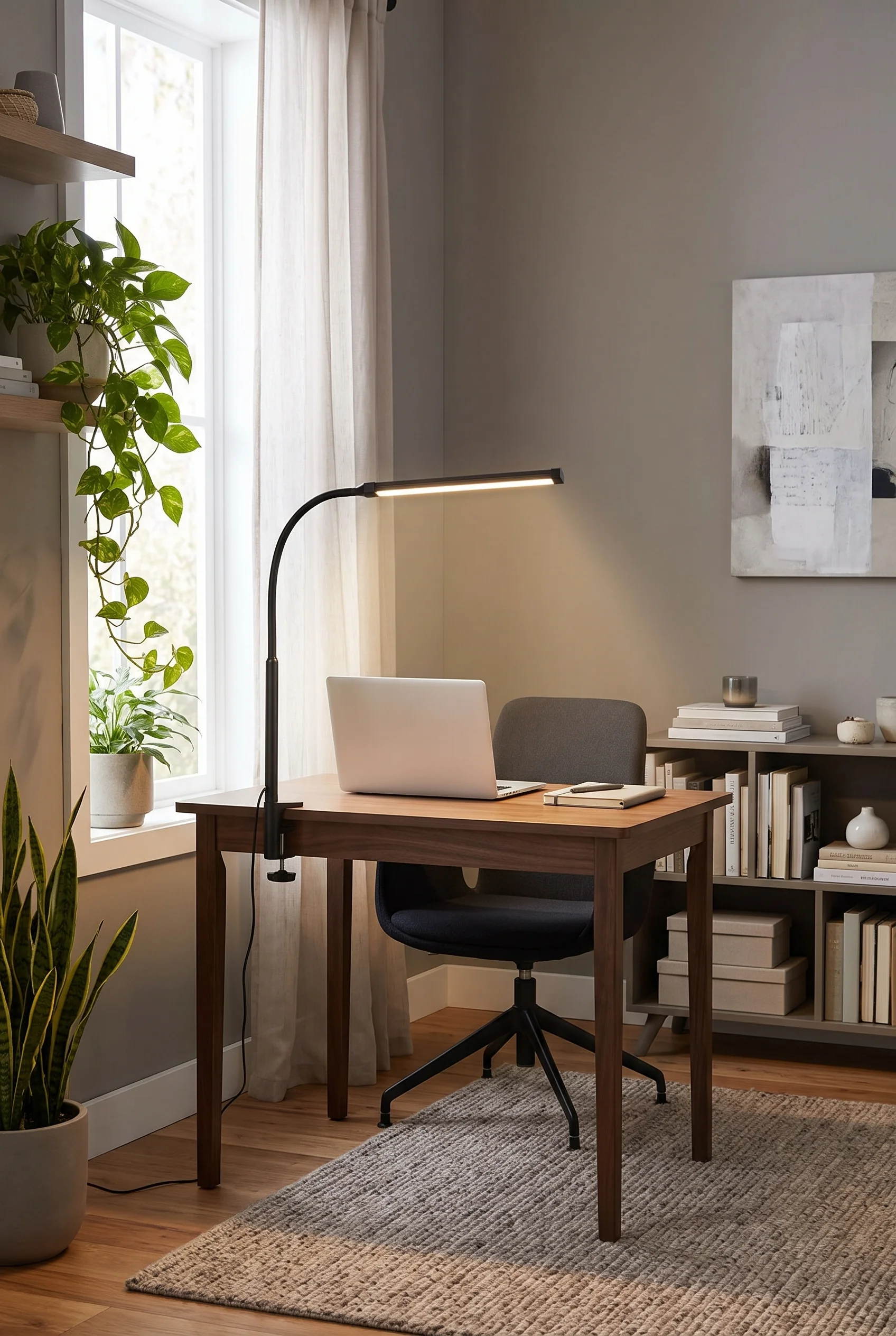
Small desks lose valuable space to a lamp base. A clamp lamp grips the edge of the desk instead and takes up no surface at all.
The flexible arm swings light exactly where it is needed, whether that is a notebook or a keyboard. Most models offer several brightness levels, which helps on long evenings.
With the base gone, the desk has room for a laptop, a notebook and a coffee without anything feeling crowded. Clamps fit most desktops up to about two inches thick. Even a narrow desk starts to feel like a real workspace.

A Home That Stays Organized Without Trying So Hard
Every idea on this list follows the same simple rule. Things stay put when their home is easier to use than the nearest flat surface. A hook by the door, a slot for each pan, a cart in the gap nobody noticed. None of it is complicated, and that is exactly why it lasts.
You do not need to tackle every room this weekend. Start with the space that frustrates you most, whether that is a kitchen drawer you dread opening or a bathroom cabinet full of tipped-over bottles.
Try one idea and live with it for a week. Once it becomes habit, add the next. Progress feels better when it sticks.
These home organization ideas work best when they fit the way your family actually lives. A calm home environment is not about perfect shelves or empty counters. It is about spending less time searching and more time enjoying the rooms you have made. Functional home design often looks quiet, and that quiet is the point.
If a spare room is doing double duty as a learning space, these homeschool room ideas bring the same thinking to desks, supplies and shelves. Small steps, repeated, are what make a home feel easier to live in.